Scammers don't stop for summer
Welcome to the June edition of our monthly fraud prevention newsletter.
This month sees us focus on an issue that has been a real problem in Cumbria and which has received a national focus this month - courier fraud.
Regular readers will know we highlight this type of fraud in Cumbria regularly. But, due to the particularly nasty nature of the offences, we've got no hesitation in backing this national campaign as well by telling you about our efforts and advice to stop it.
Elsewhere, you can catch up on some of the other work underway to give our officers the skills to help stop fraud while out on the beat. There's also a chance to take a look at our freely available online protection toolkit.
Please pass this on to anyone you feel could benefit. Or get them to sign up to the newsletters, it could help protect them from the fraud threats out there.
 Help us stop fraudsters by speaking to your family about the threats
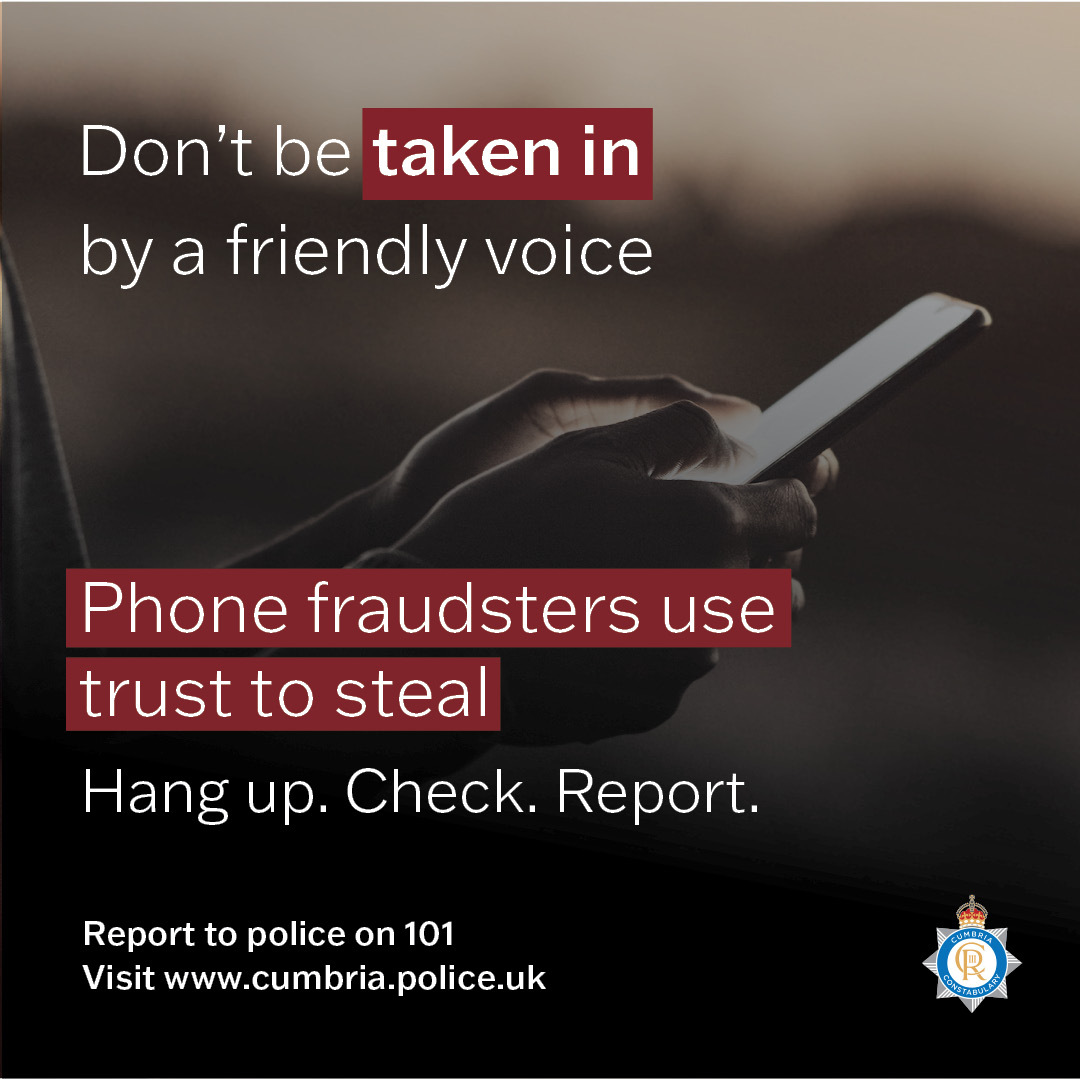
Our officers are urging people to help them protect the vulnerable from “heartless, cold and ruthless” fraudsters targeting victims by phone.
We have also enlisted the help of pharmacists, taxi drivers and businesses to assist in warning the public about criminals using phones - often landlines - to con people out of cash.
The type of fraud we are focussing on is courier fraud. This is a cruel and calculated crime that targets trust, often focussing on vulnerable people, such as older members of the community.
The fraudsters may pretend to be official people such as police officers or bank workers and may know a little bit about victims, such as name, date of birth or the name of their bank.
Questions are then asked by the fraudster to `fill the gaps’ in their knowledge and then requests made for money to be sent electronically or for cash to be withdrawn.
They reply on creating a sense of panic which makes the people they have called act instinctively without thinking logically.
The fraudsters may ask for cash or expensive goods to be collected by a courier, which is why it is sometimes known as courier fraud.
The effect is not just financial - with victims, sometimes elderly, losing trust in people contacting them.
How are we spreading the word?
Police officers and staff have been working across the county to raise awareness of this issue.
As part of this work, they have sought the help of people who may deal regularly with older people or others who could help stop the crime happening.
Fran Henderson, a Cumbria Police specialist in preventing fraud, said: “The fraudsters who carry out these offences are heartless, cold, and ruthless.
“They target some of the most vulnerable in our society.
“They are also very friendly, persuasive and persistent. They sound completely believable.
“Their interactions are carefully scripted to ensure that the victim is convinced they are either a senior police officer or a member of an internal investigation team within their bank.
“Under the guise of assisting police or the bank with an investigation, victims are often persuaded to purchase jewellery or gold bullion and hand over these high value goods to someone on their doorstep.
“Our staff are working hard to raise awareness of these phone frauds - because the best way to stop them is to put the phone down and report it.
“But we need your help to speak to older friends and relatives to explain that they should be cautious when dealing with strangers on the phone, even if they do claim to have an official job title.”
Cumbria Police have sent letters to taxi drivers in the county to alert them to the fraud and PCSOs have been going to taxi ranks to distribute literature to the drivers, helping them engage their customers in conversation about the issue.
Victims may use taxis to travel to banks, post offices or jewellers to withdraw cash or purchase jewellery. The criminal couriers themselves have also used taxis to travel to victims' homes to collect cash or valuables.
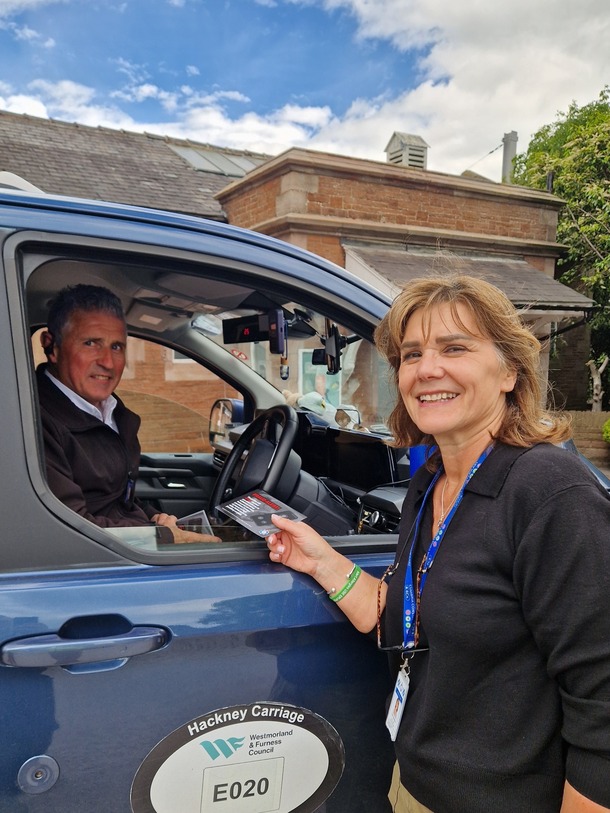 Fran with a taxi driver as she speaks about the fraud.
Boots chemists have helped raise awareness by placing fraud alert cards on their counters, which give advice and details of this type of offence.
Food firm Wiltshire Farm Foods have also helped by delivering the cards alongside meals delivered to their customers.
PCSOs are going to be engaging with doctors’ surgeries, opticians, jewellers, bureaux de change outlets and gold merchants – so they can help spot the signs, give warnings and alert police.
Fran added: “We’re extremely grateful for the assistance provided by local taxi drivers, Boots, Wiltshire Farm Foods and everyone else who helps us. Increasing awareness of this particular type of fraud is so very important.
“We also need the general public to help protect others by speaking to older relatives, neighbours and friends who may not see our warnings and emphasise to them the need to be suspicious of any unexpected calls.
“If they have any concerns that the person on the phone may be a fraudster, people should put the phone down.
"As fraudsters have been known to stay on the line, please wait five minutes or use a different phone to contact the police on 101 or your bank on a trusted number for advice and guidance.
"Should you not have the number for your bank to hand, dial 159 and you will hear a list of options as to which bank you are trying to contact. You simply say the name of your bank, and you will be put through. The `159’ option works from both mobile phones and landlines. ”
Cumbria’s Police, Fire and Crime Commissioner, David Allen, said: “These criminals target the most vulnerable in our communities so it’s really important that we look out for one another.
“If you have a gut feeling that something is suspicious or wrong, it usually is, so please hang up on the person you are speaking to and report it to the police or call the organisation the caller says they are from, such as your bank, to confirm their identity – it’s better to be safe than sorry.
“I’m pleased to see the Constabulary getting out to businesses and raising the alarm with them to help combat courier fraud.
“I’d encourage everyone to read up on and speak to your older or more vulnerable family members and friends about the signs of a scam. By knowing how to spot them, we can better protect ourselves and each other.”
The key advice to remember:
Your bank, other agencies and the police would:
- Never ask you for your bank account details or PIN number over the phone.
- Never ask you to withdraw money and send it to them via someone calling at your house – such as a courier or taxi – or by bank transfer or by any other means.
- Never ask you to send your bank cards or any other personal property to them via courier, taxi or by any other means.
- If you have any doubts about the identity of the person that you are speaking with, put the phone down. As fraudsters have been known to keep the line open after a victim has hung up, either wait five minutes - or use a different phone to contact the bank or police using a trusted number. Never use a number provided to you by the caller.
- Remember the 159 feature to enable you to be put through to your bank on a trusted number. 101 is the non-urgent number to use to contact the police.
If you think you have been the victim of a fraud you can report this to police on 101. Always use 999 in an emergency.
Face-to-face friendly advice in the aisles - to help protect people from fraud
Our officers and staff continue to get out-and-about, spreading the word on fraud to the public at shops, bank branches and community events.
Among the issues they have been speaking about have been courier fraud, although all types of fraud are up for discussion.
Lately they have been taking a visit to places particularly popular at this time of year - gardening centres.
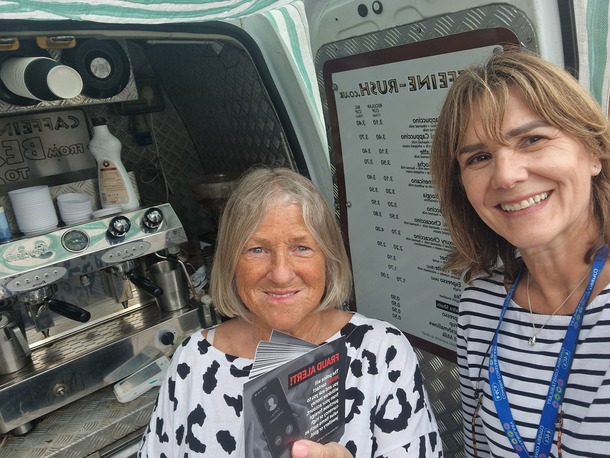
Detective Constable Claire Keyes, left below, visited Houghton Hall Garden Centre, near Carlisle. Staff also visited Hayes Garden Centre in Ambleside.
 Fran can be seen below, right, on one of her visits to give out advice at garden centres.
Neighbourhood officers receive specialist fraud training - to help people while out on-the-beat
Fraud experts have given specialist training to neighbourhood police officers in Cumbria to help them protect the public from one of the fastest-rising crime threats.
Members of our Economic Crime Unit put on an event to provide more information and advice on this type of offending to officers who are out-and-about in the community.
Fraud and cybercrime continue to evolve rapidly, posing ongoing challenges for law enforcement and the public.
The event was held to help officers engaging with the public while out on duty in neighbourhood teams help prevent people falling victim by raising awareness.
Detective Constable Claire Keyes, of the force's Economic Crime Unit, was one of the speakers at the event.
She said: “Fraud and economic crime is something that can touch anyone.
“Whether it is identity theft, a business falling victim to a scam or someone losing money in an online fraud, these crimes can have huge consequences.
“Our neighbourhood officers are the people most likely to speak with the public while out on their duties, so it is essential they know as much as possible about fraud.
“The event also provided PCSOs with material to take into schools to educate students.”
Guest speakers included Ceri Blakely, regional fraud prevent co-ordinator with the Northwest Regional Organised Crime Unit, who supports police forces across the northwest.
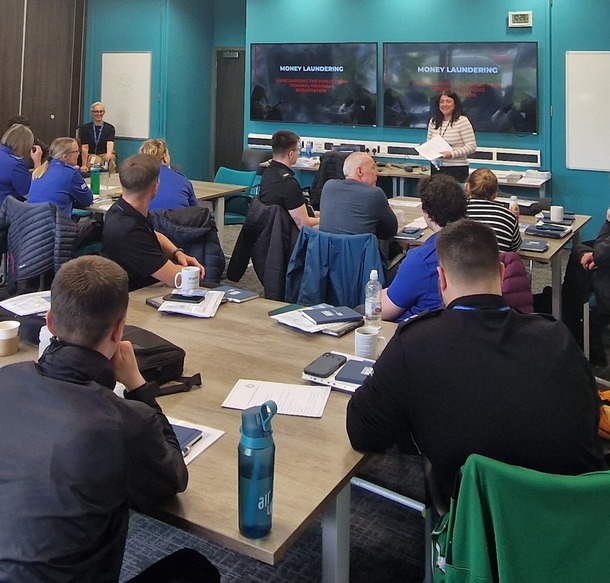 Ceri Blakely, regional fraud prevent co-ordinator with the Northwest Regional Organised Crime Unit, speaking at the event.
DC Keyes said: “We’re grateful to our speakers and we hope the event helped better equip our neighbourhood officers with the knowledge and tools to help and protect people.
“I’d like to stress that this is an issue that can strike anywhere and with anyone.
“People can sometimes be reluctant to report fraud due to embarrassment because they believe have been ‘scammed’ or ‘taken in’ by the fraudsters.
“But people should know that anyone can be a victim of economic crime, from any walk of life, and fraudsters operate in a professional manner designed to deceive.
“We would always encourage people to report any instances of fraud as soon as possible – so the correct agencies can try to catch the offenders and stop it happening again.”
The event was held at the Learning and Development Centre at Cumbria Police headquarters, near Penrith.
Check out our fraud protection toolkit
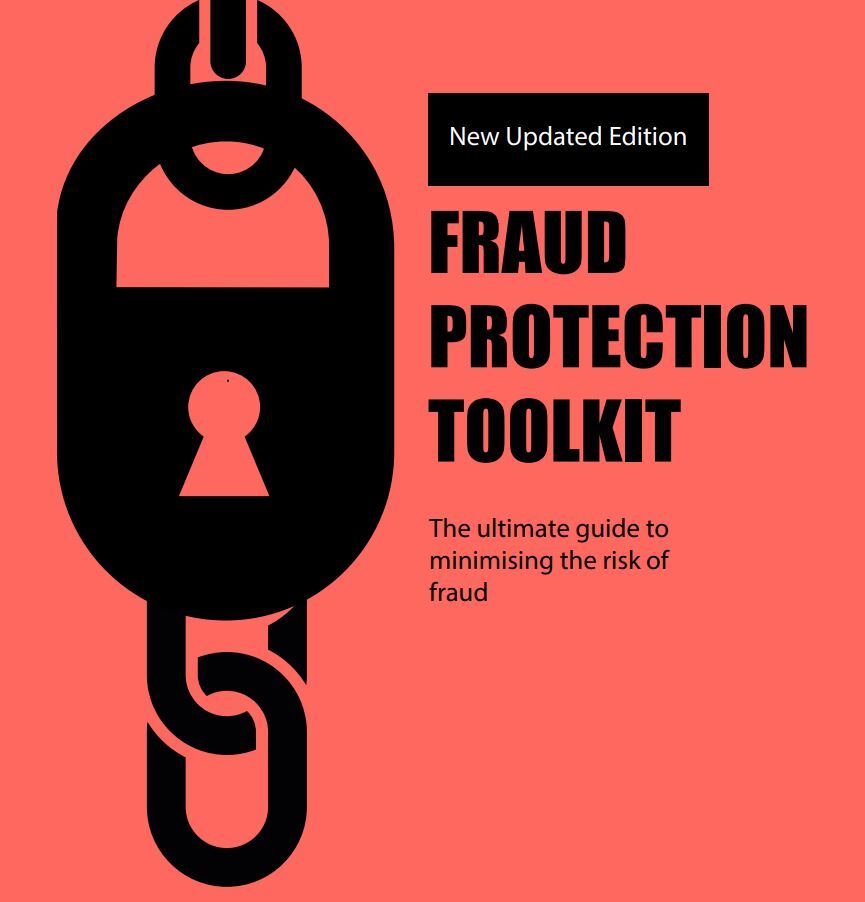 Our officers have put together a range of advice, tips and reference points for more information - all on the types of fraud you may encounter.
This toolkit covers threats such as attempts to get your personal information, your cash - and what may happen if you are contacted by phone, online or on the doorstep.
You can visit our one-stop advice toolkit for straightforward tips on minimising your risk of falling victim to fraud here: Fraud Prevention Toolkit | Cumbria Police
What to do if you have been the victim of fraud
The first thing you should do if you’ve been a victim of fraud is to contact Report Fraud. You can report a fraud via their online fraud reporting tool, or by calling them on 0300 123 2040.
Online Reporting Tool
If there is a crime being committed right now or if you are in danger you should call the police on 999.
If debit or credit cards, online banking or cheques are involved, your first step should be to contact your bank or credit card company.
If you have any friends or family who you feel would benefit from receiving this newsletter, please direct them to our website where they can sign up.
|