Welcome to our latest fraud newsletter.
As the weather turns colder, fraudsters are warming up their latest tactic to target victims. This month we're covering the warning from the Department for Work and Pensions about a winter fuel payment scam.
We're also looking at Action Fraud's advice on cryptocurrency, where fraudsters even use fake celebrity endorsements.
As always, please pass on this advice to anyone you think it might help. Or, better still, get them to sign up to our newsletter. You can find out how to do so at the foot of this edition.
|
Pensioners urged to stay alert - as winter fuel payment scams surge
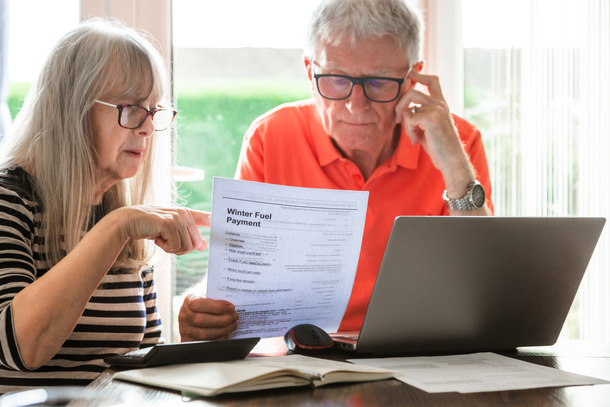 Pensioners are being warned to look out for Winter Fuel Payment text message scams following a surge in activity from opportunistic criminals ahead of next month’s payments.
New data from HMRC shows reports of scam texts more than doubled in the last week of September when compared to the previous week
These scams – which see fraudsters exploit pensioners by posing as government officials processing Winter Fuel Payment applications – had begun to drop off after a peak in June but are now increasing again ahead of payments being made next month.
Winter Fuel Payments are made automatically, and the government will never ask for bank details by text. Anyone who receives a text message inviting them to apply for a payment should not engage with it and instead forward it to 7726.
Work and Pensions Secretary Pat McFadden said:
"If you get a text message about Winter Fuel Payments, it’s a scam. They will be made automatically so you do not need to apply.
"These despicable attempts by criminals to target people are on the rise. We are raising awareness to make it harder for fraudsters to succeed.
"If you receive a suspicious message about Winter Fuel Payments, don’t engage - forward it to 7726 and delete it immediately."
Jonathan Silvester, HMRC’s digital defence lead, said:
"Scammers target individuals by attempting to take your money or access your personal information. I’m urging you to stay alert to their pressure tactics.
"Never let yourself be rushed. If someone contacts you relating to Winter Fuel Payments, wanting you to urgently transfer money or give personal information, be on your guard.
"If a phone call, text or email is suspicious or unexpected, don’t give out private information or reply, and don’t download attachments or click on links.
"You can report any suspicious HMRC-related activity on GOV.UK, just search ‘report an HMRC scam’."
Winter Fuel Payments will automatically be paid into people’s bank accounts with eligible pensioners receiving a letter in October or November saying how much they will receive. Payments will be made between mid-November and December 2025.
Know the facts:
- Winter Fuel Payments are made automatically: the vast majority of Winter Fuel Payments will be made automatically and you do not need to apply or provide personal information via text or email.
- The DWP will never ask for bank details via text message.
- Suspicious texts should be forwarded to 7726 which is free of charge, which helps phone providers block the numbers involved.
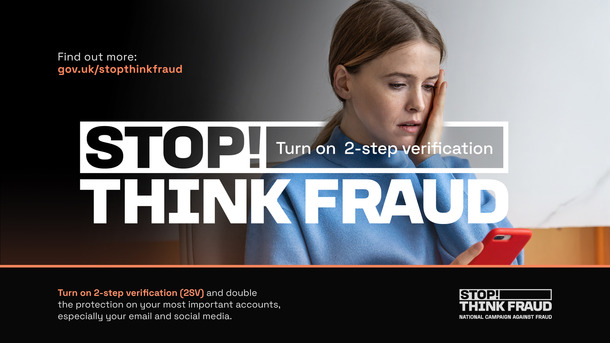
Spot the signs of cryptocurrency fraud
Action Fraud is warning the public to remain vigilant when making investments, as criminals cheat hundreds of millions of pounds out of victims through cryptocurrency fraud.
 What is cryptocurrency fraud?
Cryptocurrency is a digital or virtual currency designed to work as a medium of exchange.
Cryptocurrencies are known for their market volatility, so the value of investor’s assets go up and down quickly.
As more people have invested their money in cryptocurrencies, criminals have capitalised on this as an opportunity to commit fraud.
Criminals advertise schemes promising, in some cases, high returns through cryptocurrency investing or mining.
Frequently advertised on social media, criminals try to lure you in with adverts offering easy money quickly in order to obtain your money or personal information.
One common tactic used to defraud victims is the use of celebrity endorsements.
Criminals will present professional and credible looking online adverts, send emails and create websites to advertise fake investment opportunities, including cryptocurrency.
Often, fake testimonials are accompanied with a picture of a well-known figure to help the investment seem legitimate.
How to protect yourself
- Be wary of adverts online and on social media promising high returns on investments in cryptoassets or cryptoasset-related products and be suspicious if you are contacted out of the blue about an investment opportunity. This could be via a cold-call, an email or an approach on social media.
- Don’t be rushed into making an investment. No legitimate person or firm will pressure you into making an investment or committing to something on the spot. Take time to do your research.
- Seek advice from trusted friends, family members or independent professional advice services before making a significant financial decision. Even genuine investment opportunities can be high risk.
- Just because a company has a glossy website and glowing reviews from ‘high net worth’ investors does not mean it is genuine – fraudsters will go to great lengths to convince you they are not a scam.
- Remember, if something sounds too good to be true, it probably is.
For more information about investment fraud, visit www.fca.org.uk/scamsmart.
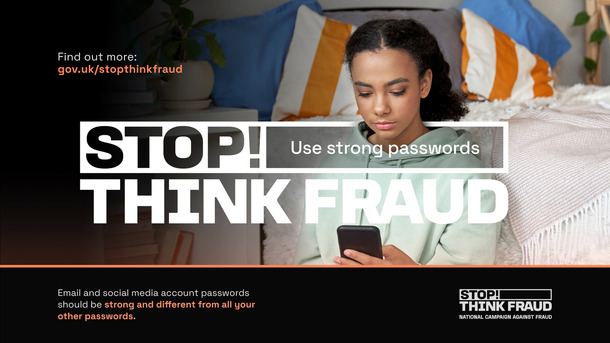
Tips on various types of fraud - all in one place
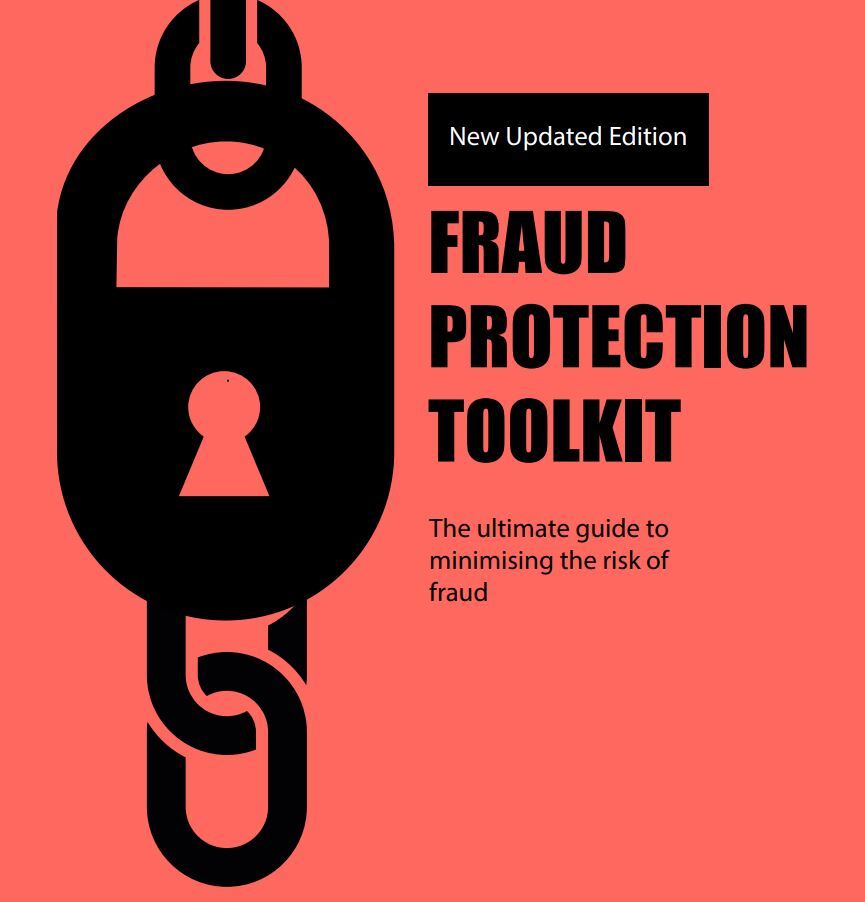 Our officers have put together a range of advice, tips and reference points for more information - all on the types of fraud you may encounter.
This toolkit covers threats such as attempts to get your personal information, your cash - and what may happen if you are contacted by phone, online or on the doorstep.
You can visit our one-stop advice toolkit for straightforward tips on minimising your risk of falling victim to fraud here: Fraud Prevention Toolkit | Cumbria Police
What to do if you have been the victim of fraud
The first thing you should do if you’ve been a victim of fraud is to contact Action Fraud. You can report a fraud via their online fraud reporting tool, or by calling them on 0300 123 2040.
If there is a crime being committed right now or if you are in danger you should call the police on 999.
If debit or credit cards, online banking or cheques are involved, your first step should be to contact your bank or credit card company.
If you have any friends or family who you feel would benefit from receiving this newsletter, please direct them to our website where they can sign up.
|