Welcome to our latest fraud prevention newsletter.
We're doing things slightly different this month. We'll still have advice on how to steer clear of fraud - but we're also focusing on the work of our economic crime officers and aiming to show you some of the ways they go about protecting you.
Elsewhere we've got another plug for our fraud prevention toolkit. We've got no shame continuing to push this as we really think this can help everyone protect themselves and provides some helpful tips.
We're also again emphasising the threat of what is known as courier fraud - a particularly nasty type of fraud often used to target older and more vulnerable people. This month three fraudsters were jailed for their courier fraud scam in which they pretended to be police officers. So you can be assured we're doing our best to stop and catch these people - but we still need you to be on your guard.
As always, please pass on the contents of this newsletter to anyone who may find it useful. Or get them to sign up to receive our advice. You can find out how to do so at the foot of this edition.
|
Fighting Fraud, Protecting People - the work of our economic crime experts
 Fraud and economic crime is a concern for police forces across the UK. The impact can have far-reaching consequences for the public, business and our economy. Here Detective Inspector Jamie Eaton, who oversees our economic crime officers in Cumbria, talks about how we tackle it, what frauds are most common - and how you can help protect yourself.
Q: So Jamie, tell us what Cumbria Police does to stop fraud?
Our police force dedicates resources, focusing on tackling the many areas of economic crime - such as fraud, money laundering and cyber crime.
Our response is crucial - because economic crime is something that can touch everyone.
Whether it’s identity theft, a business falling victim to a scam, or someone losing money in an online fraud scheme, these crimes can have severe consequences.
It is often the case victims will be reluctant to report due to embarrassment, however people must know that anyone can be a victim of economic crime.
Please remember that being the victim of fraud is never your fault; fraudsters will use persuasive techniques.
It is vitally important the public raise their awareness of economic crime as this will lead to greater protection and prevention.
Q: Tell us a bit more about how you go about tackling fraud?
We take both a targeted approach and prioritise prevention.
Our force has a team of financial investigators, specialist trained fraud investigators and support staff who work together and closely with other agencies to tackle economic crime.
We invest in training to keep our skills up to date; criminals get smarter so we must stay one step ahead.
We have a dedicated officer working with individuals and departments across the force to enhance their awareness.
To minimise the impact of fraud it is vital we adopt a multi-faceted approach that combines education and collaboration.
We all have a role to play in creating a culture of vigilance. By staying vigilant and informed we can build a strong protection system to fraud and build trust.
Let’s all take steps to tackle fraud and create a safer future.
Q: Why should people report fraud? Will it make a difference?
The public plays a huge role in both preventing and reporting economic crime.
The more people are aware of the warning signs—such as unsolicited phone calls, emails that ask for personal information, or strange transactions on their bank statements—the quicker we can intervene.
I’d encourage everyone to report any suspicious activity, even if they’re not sure it’s a crime.
We’d rather investigate a false lead than miss an opportunity to stop a crime.
It's also about taking steps to protect yourself: use strong passwords, keep your personal information secure, and be cautious when making financial transactions online
Q: What sort of frauds are there?
We see a wide range of crimes, but some of the most common include:
-
Online fraud: This can include phishing scams, fake investment schemes and fraud on social media platforms.
-
Money laundering: When criminals try to make illegally obtained money appear legitimate by moving it through complex financial systems.
-
Romance Fraud: Criminals are experts at creating fake online dating profiles and will try to establish a relationship with you quickly. Once they’ve gained your trust, they’ll talk about their need for urgent financial help with the assurance they’ll pay you back. But they never do and may even ask you for more.
-
Card fraud: Card fraud is when a criminal steals personal information from your credit or debit card or steals the card itself.
-
Courier fraud: This is covered in detail further down the newsletter as it is currently one of our top priorities.
Q: What can people do to protect themselves?
One of the most important things is to trust your instincts. If something seems too good to be true, it probably is. Here are a few simple tips to protect yourself:
-
Be wary of unsolicited communication: If you get an email, phone call, or text from someone you don’t know asking for personal details or money, be suspicious.
-
Use strong, unique passwords: Change your passwords regularly, and never re-use the same one across different sites.
-
Monitor your financial accounts: Regularly check your bank statements for unusual activity. If you spot anything odd, report it immediately.
-
Use two-factor authentication: This adds an extra layer of protection for your online accounts, especially for banking or shopping sites.
-
Don’t share personal details online: Be careful about the information you share on social media, as criminals can use this to target you.
Finally, I just want to remind everyone that economic crime is something we all need to take seriously.
It’s not always visible in the same way other types of crime are but it’s still incredibly harmful.
By staying informed, vigilant and proactive, we can all help protect ourselves and our communities from becoming victims.
Together, we can make a difference in the fight against economic crime.
Tips on various types of fraud - all in one place
 Our officers have put together a range of advice, tips and reference points for more information - all on the types of fraud you may encounter.
It covers threats such as attempts to get your personal information, your cash - and what may happen if you are contacted by phone, online or on the doorstep.
You can visit our one-stop advice toolkit for straightforward tips on minimising your risk of falling victim to fraud here: Fraud Prevention Toolkit | Cumbria Police
Police pull together economic experts to help protect people against fraud
Our officers pulled together economic experts so they could share the best ways of preventing fraud and protecting people against fraudsters.
The force hosted a conference so professionals could share the latest advice and tactics to tackle this type of offending.
Representatives from other police forces and financial institutions discussed the ever-evolving threats from fraud, with a view to helping deter and catch offenders.
People attending represented organisations including the Cheshire, Greater Manchester, North Wales, Lancashire, City of London and Merseyside police forces, as well as the Home Office and financial bodies.
The conference focussed on the experiences of different agencies and the best ways to stop frauds happening.
Detective Superintendent Ian Hussey, of Cumbria Police, opened the conference, held at the Learning and Development Centre at the force’s headquarters, near Penrith.
Det Supt Hussey added: “Fraud is ever evolving, with offenders exploiting the latest trends or technology.
“This means sharing the best ways of stopping fraud and learning from each other is a good way of preventing fraud and protecting people from falling victim in the first place.”
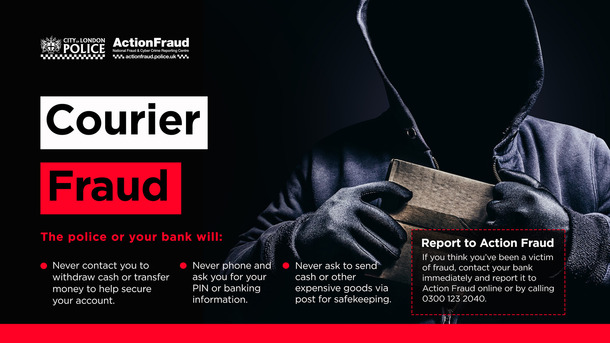 This month three fraudsters who targeted vulnerable people in Cumbria were jailed for their courier fraud scam in which they pretended to be police officers.
But the work doesn't stop there. This type of fraud, usually carried out by phone, isn't going away any time soon - so we want people to stay on their guard against scam phone calls.
This type of fraud can differ slightly from call to call.
But the fraudsters often request bank details, money to be sent electronically, cash to be withdrawn at the bank for collection or expensive items to be bought for collection at a later time.
Police and other agencies would never request this.
If you have any concern that the person on the phone may be a fraudster, put the phone down and call the police from a different phone on 101 for advice and guidance.
Officers are asking anyone who has been victim to such a scam to come forward.
If you receive a call you’re not expecting, you should be suspicious.
The vital things to remember are that your bank, other agencies and the police would:
- Never ask you for your bank account details or PIN number over the phone.
- Never ask you to withdraw money and send it to them via a courier, taxi, bank transfer or by any other means. The suspect might refer to a safe account and that the money will be moved there.
- Never ask you to send your bank cards or any other personal property to them via courier, taxi or by any other means.
- If an officer contacts you in person, they will show you their warrant card. This is proof of their identify and authority.
- If someone has called you and you are unsure if they are a genuine police officer, you can hang up and call police on 101 to check their identity.
What to do if you have been the victim of fraud
The first thing you should do if you’ve been a victim of fraud is to contact Action Fraud. You can report a fraud via their online fraud reporting tool, or by calling them on 0300 123 2040.
If there is a crime being committed right now or if you are in danger you should call the police on 999.
If debit or credit cards, online banking or cheques are involved, your first step should be to contact your bank or credit card company.
If you have any friends or family who you feel would benefit from receiving this newsletter, please direct them to our website where they can sign up.
|