Day 2 - Choosing Safe Sleep Products (and Avoiding Dangerous Ones)
Welcome to Day 2 of our Safer Sleep Week briefings. Throughout the week, we’re focusing on key elements of safer sleep that practitioners can use when supporting parents and carers. Yesterday, we looked at the essential items that support safer sleep. Today, we turn to a topic that often brings confusion and worry for families: how to choose safe sleep products.
Safer Sleep Week 2026, led by The Lullaby Trust, emphasises simplifying choices and highlighting the essential features of safe products. Families often need reassurance that safe options are usually uncomplicated, affordable and easy to identify.
Practitioners play an important role in guiding families through this landscape and helping them feel confident about what to look for.
Why Product Safety Matters
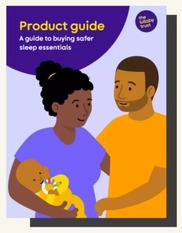
A number of products advertised for infant sleep do not meet UK safety standards. Research and regulatory alerts show that some items can increase the risk of overheating, suffocation or entrapment. There has been a recurring issue of dangerous baby sleeping bags, particularly those with hoods or without arm openings, which do not meet UK standards and can pose suffocation risks.
Similarly, “baby sleep pillows” and other padded sleep positioning aids have been subject to warnings from the Office for Product Safety and Standards (OPSS), following incidents of infant harm. These products may appear comforting or premium, but they can reduce airflow and elevate risk.
Families may buy these items with the best intentions, often influenced by marketing or online reviews. This makes practitioner conversations especially valuable.
|
Key Principles for Choosing Safe Sleep Products
Below are practical, evidence‑based points practitioners can share with families when discussing sleep products.
1. Always prioritise a clear, flat, separate sleep space
Families should look for:
- A cot, Moses basket, or travel cot that holds a firm, flat, waterproof mattress.
- Product labelling that meets UK/EU safety standards (BS EN 716 for cots; BS EN 1130 for bedside sleepers).
- Avoidance of any accessories that add padding or incline.
2. Check for product safety labels and regulatory standards
Encourage families to look for:
- CE/UKCA markings
- Clear manufacturer instructions
- Age and weight suitability
- Safety testing information
If these are missing, incomplete, or difficult to locate, the product may not be safe.
3. Avoid products marketed as ‘cosy’ or ‘supportive’ if they add soft padding
Items such as:
- Sleep positioners
- Pods and nests
- Cushioned baby loungers
- Pillows or padded bumpers
These items can obstruct a baby’s airway, even if labelled as breathable, and should not be used for sleep. These products can increase the risk of suffocation and overheating.
4. Choosing safe sleeping bags
When discussing sleep bags with families, suggest they look for:
- Correct size and snug fit around the neck and arm openings
- No hoods or head coverings
- Tog rating matching room temperature
- Clear UK safety standard markings
Sleeping bags that do not meet these criteria have been identified as unsafe and may still appear on online retail platforms.
5. Consider the source of the product
Families may purchase items from:
- Social media shops
- Online marketplaces
- Second‑hand sellers
- Independent boutiques
Encourage them to:
- Buy from reputable suppliers
- Check for independent safety testing
- Avoid items without traceable manufacturers
If in doubt, families can be directed to trusted safer sleep guidance.
Supporting Conversations with Families
When talking with families about sleep products, practitioners may find it helpful to:
- Start by acknowledging that the market can feel overwhelming.
- Emphasise that safe products don’t have to be expensive or complicated.
- Encourage families to trust evidence‑based guidance over advertising claims.
- Reassure them that avoiding unnecessary products is not about doing less, it’s about doing what is safest.
- Use visuals (posters, cards) to demonstrate what a safe sleep environment looks like.
These small steps help parents feel confident and reduce the pressure to buy multiple sleep items.
Useful Resources
|