|
Over this week, we are delivering a Safer Sleep and Winter Messages series, which provides practitioners with essential guidance to support families in keeping their children safe over the festive period and, in particular, how to keep babies safe while sleeping.
Through these briefings, we will cover topics including prevention of accidental injuries, such as button battery ingestion, creating a safe sleep environment, managing disruptions during travel or festive periods, and understanding the risks associated with alcohol and co-sleeping. Each briefing will offer practical advice, resources, and links to trusted guidance, which you can share with the families you work with.
We recognise that Christmas can be a difficult time for families, and there is a lot of pressure for them to have a “perfect Christmas”. We hope that the guidance provided this week, gives families some support during the festive period.
Festive Events
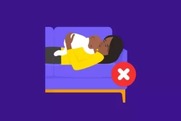
Festive social events often involve alcohol and late nights, which can create higher-risk sleep situations for babies. Today’s briefing highlights the dangers associated with alcohol, drug use and co-sleeping, drawing on the key messages of the Think Twice campaign.
|
Guidance for Families
Alcohol reduces alertness and responsiveness, making co-sleeping extremely dangerous. Even small amounts of alcohol increase risk significantly. Families should be reminded that if any adult has been drinking, the baby must always sleep in their own safe space, such as a cot, crib or Moses basket.
Sofa-sleeping is particularly dangerous and is strongly associated with infant deaths. Parents who are tired after a celebration may feed the baby on the sofa and, unintentionally, fall asleep. Encourage families to plan ahead: if they expect to drink or be tired, they should arrange a clear, safe sleep area in advance.
The Think Twice campaign encourages parents to stop and consider safer sleep messages before going to bed after drinking or social events. Practitioners can use this as a non-judgemental way of opening conversations and supporting families to make safer choices.
Disrupted routines, late nights, and staying at relatives’ homes can further increase the chance of unsafe co-sleeping occurring unintentionally. Planning ahead is key.
Useful Links
For further information about Alcohol, Co-Sleeping Risks & the Think Twice Campaign, please use the following resources:
|