 20th March 2026
The Use of Emollients and Potential Fire Risks
This Quick Guide has been developed in collaboration with Cumbria Fire & Rescue Service to raise awareness of the fire risks associated with the use of emollients.
For further information on safe emollient use, you can access the Cumbria Fire & Rescue Services website here.
|
What is an Emollient?
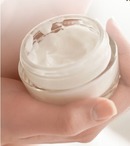
Emollients are used to treat people of all ages for dry, itchy or scaly skin conditions such as psoriasis. Emollients are also used to prevent or treat pressure sores.
Emollients are available to buy over the counter or by prescription as lotions, sprays, creams, ointments, bath oils and soap substitutes. They may be water based, contain paraffin or natural oils.
Some emollient sprays come in pressurised aerosol containers and can be highly flammable because of the propellant - follow the label warnings carefully.
Why should you be careful?
Emollients are not flammable in themselves. However, regular use of these products,
especially when applying to large areas of your body, can lead to them drying onto your
clothing, bedding and bandages/dressings, leaving a flammable residue. If you then
introduce an ignition or heat source such as:
- Accidently dropping a lit cigarette or lighter;
- Sitting too close to a gas, halogen or open fire;
- Catching clothing on a hob when cooking; you can cause a fire to develop. The fire will burn very intensely, spread within seconds and could lead to serious injury or death.
|
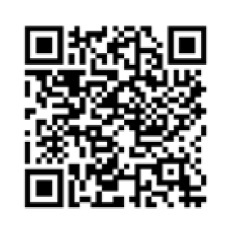
Home Fire Safety Check
If a person is being cared for in their own home you can request Cumbria Fire & Rescue Services to carry out a home fire safety check.
Anyone who uses emollients should be aware of the risk. Cumbria Fire and Rescue Service advise you to complete a free online home fire safety check for advice and if needed, a visit from your fire service. Scan the barcode above for more information.
There is also a free online home fire risk assessment tool which carers can use to assess and manage risks in the home. You can find more information here.
|
What is a Fire Risk
This fire risk applies to all emollients, including paraffin‑free and ‘natural oil’ products, because dried residue on fabrics can act as an accelerant.
Fabric such as clothing, toweling, bandages or bedding contaminated with emollients containing paraffin, natural oils or other flammable constituent’s burns quicker and hotter than fabric which has not been contaminated. The average time to ignition is within seconds and regular washing of fabrics does not totally remove the risk.
Emollients themselves are not flammable, but residue left on fabrics can ignite easily. Risk increases when combined with heat or ignition sources such as:
- Cigarettes, matches, or lighters
- Gas or electric hobs
- Open fires, halogen heaters, candles
|
KEEP THE WARMTH, LOSE THE RISK
-
Keep away from flames (smoking/candles/open fires)
-
Keep warm safely (≥ 1 metre from heaters/open fires)
-
Wash and change regularly (preferably daily; high temp label allows; risk may remain)
-
Keep cream off furniture (covers/throws, wash frequently)
-
Tell carers & professionals (and request fire service safe & well/home visit)
Fire fatalities
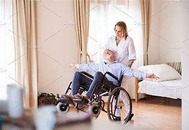
There have been multiple fatal fires in Great Britain linked to emollient residue on fabrics, often involving smoking materials. Many of the people who died were older, had restricted mobility and a number had care plans in place. In a high percentage of these fatalities, smoking materials such as matches, lighters and cigarettes were found to be the ignition source of the fire. There have also been several tragic deaths of residents within care homes which have led to the Coroner making recommendations about the appropriate levels of fire safety within care facilities.
Are these deaths avoidable? YES
The issues need urgent consideration and action by all professionals involved across Health & Social Care, to identify critical risks associated with individuals. The Fire Safety Order 2005 requires the identification of individuals at risk as part of the fire safety risk assessment for the premises and to take appropriate action to remove or reduce the risk.
|
Who is most at risk and how to stay safe
- People who over 60
- People who smoke, especially in bed
- People who have restricted mobility or are bedbound
- People who use emollients on large areas of the body
- People who have a care plan or require assistance
Avoid Smoking
- Never smoke in bed or near contaminated clothing/bedding
- Seek support for quitting smoking if needed
Cook Safely:
- Before cooking or using heat sources: remove loose/long sleeves, wear a thick uncontaminated apron/overall
- Use microwaves, air fryers, or induction hobs instead of gas/electric hobs
- Keep clothing away from flames and hot surfaces
Keep Distance from Heat Sources:
- Keep well away from open fires, heaters, and candles
- Keep warm safely: sit at least 1 metre from heaters or open fires
- Do not dry clothes on or near heaters
Wash Fabrics Regularly:
- Wash at the highest temperature allowed. Note: Washing may not remove all residue
- Change & wash clothing/bedding frequently (ideally daily) at the highest temperature allowed by the care label
-
"Washing may reduce build‑up but does not remove it completely”
Keep cream off furniture/soft furnishings
- Avoid getting cream onto armchairs, cushions and blankets
- Use washable throws/covers and wash them frequently
Safe use of home oxygen equipment
If you use home oxygen, fire risk is greatly increased. Tell your clinician and fire service - follow specialist oxygen fire safety advice. Never allow oxygen equipment near naked flames or contaminated fabrics.
Fire Safety Essentials:
-
Install and test smoke alarms regularly
-
Share this advice with family and carers
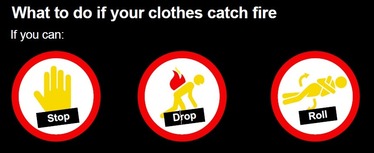
🚨 If Clothes Catch Fire🚨
STOP – DROP – ROLL to extinguish flames
If You Can't Stop Smoking: Harm Reduction Advice
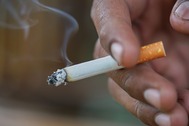
Emollients are not harmful or flammable in isolation, but if they are combined with flames, such as the light of a cigarette, and fabric, they accelerate fires, which can result in burns and deaths.
If you or somebody in your home smokes, you need to take extra care to ensure you stay safe.
Reduce the risk by attempting to quit, using NHS support if you need it.
If stopping smoking isn’t possible, reduce risk:
- Keep contaminated clothing/bedding away from lit cigarettes
- Use a flameless/safety lighter
-
Avoid smoking in bed or in a chair where you might fall asleep
-
Use a proper heavy ashtray that cannot be tipped over easily
-
Don't empty your ashtray straight into a bin as the embers and ash could still be hot and cause a fire
-
Stub cigarettes out properly and dispose of them carefully
|
Fire Assessment
This increased risk of fire posed by smoking whilst using flammable emollient creams is so significant that it must be avoided. Fire retardant covers, bedding or clothing for smokers must be provided, but they may also become contaminated with dried emollient. There is a responsibility of Care Home providers owing a duty of care for the health, safety and wellbeing of individuals who may be at heightened risk.
A personal Risk Assessment is critical for the person's own safety and that of other residents, family and carers or staff. The Risk Assessment will assess the needs of the individual in conjunction with care workers and family and consider their habits, physical and mental capacity, and their environment. The Risk Assessment should be recorded and considered as part of their care plan, other assessments and personal evacuation plans, and kept under review.
Questions to consider
- Is the individual a smoker, cooking or sitting near to a heat source or fire?
-
Are emollients being applied over a large area of the body?
If the answer is Yes, share the risks with:
- Individuals
- GP or Nurse Prescriber
- Family member's
- Carers
- Seek advice
|
What can you do to help?
Care Home Provider's can ensure that;
- Staff are informed and kept regularly updated about the potential fire risks of emollients, especially when used by smokers, so that they can monitor and review individual risk assessments effectively and report as appropriate.
- Inform and train staff about appropriate emergency procedures should a fire occur.
- Consider laundry processes: emollient-contaminated towels/linen can increase fire risk.
- Ensure any previously contaminated toweling and bedding, that has been laundered and tumble dried, is cooled prior to folding for storage.
Pharmacists can help to prevent any further injuries or loss of life to the public by:
- Asking them their smoking status when dispensing or selling emollients to them, advising them of the risks and signposting them to smoking cessation services as appropriate.
- Talking to them about the potential fire risks of emollients when dried onto fabric especially if they are smoking, cooking or going near to an open flame or heat source.
- Recording any advice given on the Patient Medication Record.
- Taking care not to cover up the flammability warning on the product with any labels.
- Referring people back to the GP where they smoke and/or have a condition which places them at high risk of fire such as memory loss, poor concentration or drowsiness; and adding their details to their Patient Medical Record.
GPs can help to prevent any further injuries or loss of life to the public by:
- Considering whether people smoke and/or have a condition which places them at high risk of fire such as memory loss, poor concentration or drowsiness prior to prescribing emollients.
- Talking to your patients about the potential fire risks of using these products at the point of prescribing and reviewing their medication.
- Sharing this information with your colleagues and teams.
- Displaying and disseminating leaflets and other appropriate information to your patients.
Healthcare Professionals should report suspected incidents involving emollients to the MHRA Yellow Card scheme.
|
|
|