Every day, 137 women are killed by a family member worldwide.
Gender-based violence affects millions of women and girls, across all cultures, societies and economic backgrounds.
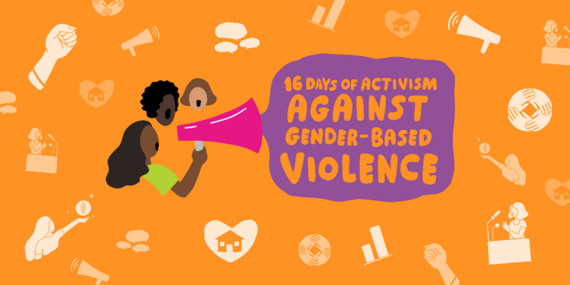
The 16 Days of Activism Against Gender-Based Violence is an annual global campaign to raise awareness, advocate for change and promote a world free from violence.
This year, it runs from 25 November 2025, the International Day for the Elimination of Violence Against Women, to 10 December 2025, Human Rights Day.
The campaign began in 1991, led by the Centre for Women’s Global Leadership. It links violence against women to human rights, emphasising that such violence is not only a social issue, but a violation of fundamental rights.
Over the years, the campaign has grown internationally, with governments, Non-Governmental Organisations (NGOs), universities and activists taking part, creating a global movement that calls for prevention, accountability and support for survivors.

Each year, the 16 Days of Activism has a specific theme to focus global attention on key issues.
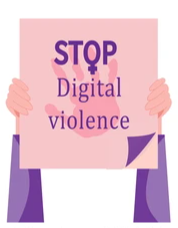
This year, the theme is "Digital Violence Against Women," focusing on preventing and responding to online abuse, creating safer online spaces and raising awareness of digital safety. The campaign calls for governments, technology companies and other entities to implement and fund comprehensive measures to address digital gender-based violence.
Digital abuse uses online tools to harass, stalk, or harm women and girls. Examples include: non-consensual sharing of intimate images, cyberbullying, online sexual harassment, AI-generated images / fake content, hate speech, doxxing (publishing private information without consent), online stalking, grooming, catfishing, and misogynistic networks. These online harms often lead to offline violence, including coercion, physical abuse, or even femicide, with long-lasting effects.
|
Why Digital Violence Persists
Women with public visibility - activists, journalists, young women and politicians - are disproportionately targeted. The risk is higher for those facing discrimination, such as race, disability, gender identity, or sexual orientation.
Stopping digital abuse is challenging because of weak regulations, lack of legal recognition in many countries, limited accountability from tech platforms and the anonymity of perpetrators. AI and social networks amplify harmful content, while spaces like misogynistic forums normalise violence. Cross-border abuse and limited support for survivors further complicate prevention and justice.
|
Objectives of This Year's Campaign
The 2025 campaign aims to:
- Raise awareness about the rising threat of online violence
- Mobilise communities to take action against digital abuse
- Encourage tech companies and governments to implement stronger protections
- Support survivors and promote accountability for perpetrators
- The focus is clear: online safety is a human rights issue
Everyone can play a role, by:
- Educating yourself and others about digital risks
- Reporting online abuse to platforms and authorities
- Supporting survivors of cyberbullying, doxxing, or data leaks
- Advocating for stronger laws and accountability for tech companies
- Challenging harmful online spaces that normalise violence
Even small actions - like sharing awareness or speaking out - make a difference.
Digital violence shows how online spaces can mirror real-world harm. Reflect on how we interact online, what risks exist, and who might be vulnerable.
Next steps: report abuse when you see it, support survivors, raise awareness and advocate for stronger online protections. Small actions from each of us can make digital spaces safer for women and girls.
There are a number of useful links for you to use to find out more:
|