16th of May 2025
Substance Misuse and Self-Neglect

Self-neglect is a key issue facing many people who use substances. Self-neglect is a safeguarding concern, which if left unaddressed can lead to an individual becoming at risk of experiencing significant harm.
Self-neglect is a theme within many multi-agency safeguarding adult reviews, following the death or serious injury of a service user. It is widely acknowledged that self-neglect is complex and requires multi-agency input to ensure the best outcomes are achieved for individuals.
|
A Multi-Agency Response
Self-neglect cases involving drug and alcohol misuse require a multi-agency response, whether this is under safeguarding adults' procedures or as part of multi-disciplinary working more generally. There needs to be a clear understanding of the person's needs as a whole (not just in relation to their substance misuse). A team-around-the-person approach often works well, with a small core group of professionals established to closely monitor risks and the plans to manage risks.
What are the possible signs of self-neglect?
- Dehydration.
- Malnutrition.
- Poor sleep hygiene.
- Poor personal hygiene.
- Untreated or improperly attended medical and dental conditions.
- Hazardous or unsafe living conditions (poor wiring, plumbing, heating etc.).
- Unsanitary or unclean living quarters (animal or insect infestation, no toilet, fecal or urine evidence).
- Inappropriate or inadequate clothing.
- Lack of medical aids or support.

Poor environments and personal hygiene may be a matter of personal or lifestyle choice but self-neglect may be contributed to or caused by factors such as mental or physical ill-health, brain injury, dementia, addiction or multiple comorbidities. However, it is important to consider a person’s capacity when there are concerns relating to self-neglect.
|
What are the links between substance use and abuse or neglect?

There are links which can be identified between those who use substances and abuse or neglect;
- Substance use can lead to increased risk of deterioration in physical and mental health.
- There is always a risk of overdose or contaminated substances if drugs are purchased on the street.
- There can be an increased risk of individuals engaging in criminal activity to fund drug or alcohol use.
- Substance use can lead to increased risk of deterioration in physical and mental health.
- There can be an increased risk of violence, domestic abuse and exploitation by others.
- Substance use and mental health needs often co exist and there can be heightened risk of suicide and self harm behaviors.
- Financial difficulties can occur due to expenditure on substances, resulting in debts and inability to pay for basic needs.
- Increased risk of homelessness, due to issues experienced in obtaining and retaining accommodation.
- Addiction to substance of choice can lead to prioritising this above all else and can impact on their relationship with others, ability to engage and increase risk.
|
What are the themes in Cumbria?
Recovery Steps Cumbria, Humankind deliver addiction services across Cumbria and identified the following themes when working with adults who use substances and are self-neglecting;
- Deterioration in someone's health due to alcohol dependence, evidence of liver disease and service users not accessing medical assistance.
- Poor home conditions and inability to meet basic care needs due to impact of complex needs such as substance dependence, mental health needs and physical health conditions.
- Identified infections from injecting or general open wounds (eg: ulceration or abscess) and someone failing to access urgent medical treatment.
|
The Mental Capacity Act 2005
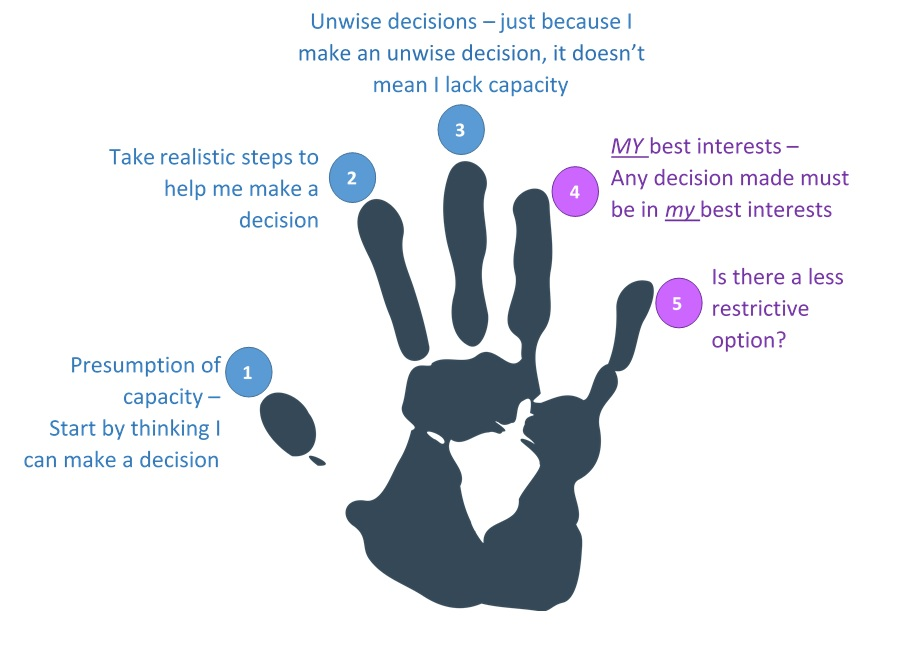
Learning from Safeguarding Adults Reviews (SARs) involving substance use often focuses upon the lack of practical application of the Mental Capacity Act. Understanding the mental capacity of the person is crucial to managing risks associated with drug and alcohol misuse. This will often require a Mental Capacity Assessment.
Practitioners should ensure that the risks around a particular decision are clearly and honestly explained to allow the person to make an informed choice. This might involve telling someone that they are putting their life at risk. Learning from cases has also highlighted the need to consider whether a person has “executive capacity” – a person’s ability to implement a decision they have made. It is also key to assess fluctuating capacity, due to the impact of some one being under the influence and withdrawal from substances.
For further information:
You can visit CSAB website here where you will find MCA resources on our 'learning zone'.
How can you support engagement?

Substance use, co-occurring needs and someone’s life experiences can impact their ability to engage. It’s really important that as practitioners we understand the challenges those using substances may face in accessing support. This is further compounded if issues of self- neglect co-exist and can lead to someone being less visible and isolated. Non-attendance means increased risk and it is vitally important that where there are concerns relating to self neglect, service users are seen face to face to ensure appropriate assessment of need and risk.
|
Some important points for consideration when supporting those using substances:
- Implementing change can be difficult due to other risks associated with drugs and alcohol.
- Peer groups can impact on a person’s engagement with services.
- Non-engagement with services may result in increased risks associated with substance misuse e.g. the type of substance used, quantity of substance, how substance is taken.
- It is widely recognised that cases involving those who misuse drugs and alcohol must often be dealt with outside usual prescribed timescales of the safeguarding adults processes.
- Professionals must work to forge relationships with individuals to gain their trust and confidence.
- Several attempts at engagement may be necessary before an individual begins to engage. It is important not to cease contact with an individual who is displaying self-neglect/risk taking behaviour based on their refusal to engage with services, regardless of their mental capacity.
- Substance misuse is a chronic and relapsing health condition, that requires the same access to services, as less stigmatised health needs.
|
|
When to escalate?

It’s important to question if without urgent intervention, could the service users condition deteriorate rapidly to a point where they need emergency medical attention or there may be a threat to life?
The need for face-to-face contact and assessment of someone’s home environment in cases of self-neglect is vital. When working with those using substances, it's important to recognise the increased risk they face, especially in cases where there is a failure to access medical treatment. The failure to access medical intervention (for example in cases where there are concerns relating to alcohol related liver disease, un-treated infections to name but a few) there may be a need for immediate contact and support by professionals to ensure the safety of the individual.
Where there are ongoing concerns and these persist, there is a need to seek additional advice and escalate. This might be from Legal Services, Senior Managers and/or Safeguarding or MCA Leads.
The Governments 10 year Drug Strategy “Harm To Hope” identifies addiction as a chronic and relapsing health condition, that warrants the same access and provision of services as other less stigmatised health conditions. Substance misuse is not a “lifestyle choice” and it is important we view the lived experiences of those using substances an associated risks, to provide an effective response to self-neglect.
You can make a referral to Humankind, Recovery Steps Cumbria by contacting them to request a referral document:
Telephone: 01900 512300
Email:Referrals@recoverystepscumbria.org.uk
Website: Recovery Steps Cumbria
|
A safeguarding response
It’s very rarely just the substance use, substance use more often coexist’ s with other health and social care needs. Therefore, self-neglect cases involving drug and alcohol misuse require a multi-agency response. There needs to be a clear understanding of the person’s needs as a whole, not just in relation to their substance misuse. A multi-agency approach often works well, with a core group of professionals established to closely monitor risks.
CSAB have published a Self-Neglect Guidance supported by a Hoarding Toolkit and Clutter Image Rating Tool.
If you are working with an adult who you think may be self-neglecting you can refer to the CSAB Thresholds Tool for guidance and when to report your concerns to Adult Social Care.
To report concerns to Adult Social Care please contact the following;
If you have concerns about an adult in Allerdale, Carlisle or Copeland contact Cumberland Council on 0300 373 3732.
If you have concerns about an adult in Barrow, Eden or South Lakeland contact Westmorland & Furness Council on 0300 373 3301.
Further information and resources

How to use legal powers to safeguard highly vulnerable dependent drinkers
.
This guide aims to help practitioners to improve the well-being and safety of adults who are highly vulnerable, chronic, dependent drinkers. The Blue Light project is an initiative to develop alternative approaches and care pathways for drinkers who are not in contact with treatment services, but who have complex needs. It challenges the belief that only drinkers who show clear motivation to change can be helped, and sets out positive strategies that can be used with this client group. The Blue Light manual sets out these strategies in detail and offers a fundamental positive message that change is possible, access the The Blue Light Manual and for more information visit the website: Alcohol Change UK.
Lewisham Safeguarding Adults Board published a Safeguarding Adult Review, Amanda. Amanda who had substance and alcohol issues sadly died - watch the SAR learning session here.
Watch here a presentation by Kate Spreadbury covering findings from the National Review of Safeguarding Adult Reviews where alcohol dependence and substance misuse was an issue.
NHS Addictions provider alliance this useful short animation 'Stigma Kills' encourages us to see the person and hear their story. This is further supported by various case studies useful to inform practice discussions.
|
|