23rd of May 2025
Unexplained Injuries in Adults
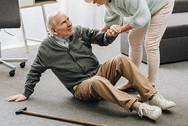
Abuse and neglect can happen anywhere including at home, in day care centres, care homes and hospitals.
Abuse and neglect can take different forms and it could happen once or over a period of time. An abuser can be anyone but often they are known to the victim and they could be a partner, parent, sibling, child, neighbour, friend, carer or professional worker.
An unexplained injury either can't be explained or the explanation given is not consistent with the injury. If an injury is said to be 'unexplained,' practitioners should not automatically assume the injury was intentional.
Any suspicious injury should be regarded with extreme concern, irrespective of whether the injury is minor or more serious.
|
Who is at higher risk?

There are some groups who may be at increased risk, due to their ability to protect themselves from abuse. Some people may not even be aware they are being abused or neglected and their abuser may try to prevent others from discovering the abuse or neglect. Those who may be at increased risk include:
- Someone with a learning difficulty or disability.
- Someone with a physical impairment.
- Someone with communication challenges.
- Someone who misuses substances/alcohol.
- Someone with a mental illness.
- Someone with a diagnosis of dementia.
- Someone with a brain injury.
- An older adult.
- Someone who is homeless.
- Someone experiencing domestic abuse.
- A sex worker.
|
How to recognise abuse
It is important that practitioners are alert to signs of potential abuse or neglect;
- No explanation for injuries, an inconsistent account of what happened or the explanation is not consistent with the injuries.
- Bruising, cuts, welts, burns, fractures, breaks, clumps of hair loss.
- Frequent injuries.
- Unexplained falls.
- Signs of malnutrition.
- Subdued or changed behaviour in the company of a specific person.
- Anxiety, depression, Post Traumatic Stress Disorder (PTSD), loss of interest in things, withdrawal from others.
- Failure to seek medical treatment or several changes of GP.
|
Domestic abuse is any single incident, course of conduct or pattern of abusive behaviour between individuals aged 16 or over who are “personally connected” to each other as a result of being, or having been, intimate partners or family members, regardless of gender or sexuality. Children who see, hear or experience the effects of the abuse and are related to either of the parties are also considered victims of domestic abuse. Behaviour is “abusive” if it consists of any of the following: physical or sexual abuse; violent or threatening behaviour; controlling or coercive behaviour; economic abuse; or psychological, emotional or other abuse. This includes incidences where the abusive party directs their behaviour at another person (e.g. a child). Economic abuse means any behaviour that has a substantial adverse effect on someone’s ability to acquire, use or maintain money or other property, or obtain goods or service.
Take Appropriate Action

Most people will not disclose abuse and neglect unless they are directly asked, although people who are experiencing it often want someone to ask them about it!
Research also shows that those who are not experiencing it generally don't mind being asked about it.
If you suspect someone is suffering abuse or neglect, always try to speak to them about it on their own, be sensitive, respectful and listen carefully to what they are saying to you.
You should follow your organisations safeguarding policy and procedures for reporting concerns, if in doubt speak to your safeguarding lead or line manager.
If the person has care and support needs which mean they are unable to protect themselves from the abuse or neglect, you should make a safeguarding referral as soon as you can, to your local Single Point of Access (SPA) and always try to gain the persons consent to do so first. Please see below for SPA numbers.
Document clearly your concerns, only make note of factual information you have been told or that you have observed, don't record your assumptions.
If you are in any doubt of what action to take speak to your designated safeguarding lead or your line manager as soon as you can for advice.
|
Reporting concerns
If you are concerned an adult has been harmed or neglected or they are at risk of harm or neglect and they have care and support needs which make them unable to protect themselves, you must raise a safeguarding alert. If the adult lives in Cumbria contact the appropriate number as follows;
- If the adult lives in Allerdale, Carlisle or Copeland contact Cumberland Council on 0300 373 3732.
- If the adult lives in Barrow, Eden or South Lakeland contact Westmorland and Furness Council on 0300 373 3301.
- Out of hours: Emergency Duty Team contact 01228 526 690.
Seek emergency assistance if needed by calling the Police on 999 or to report a non-emergency call 101.
Further Resources
Research in Practice- What is Professional Curiosity
CSAB A Quick Guide to Making a Safeguarding Referral
CSAB Information Sharing Guidance
CSAB Escalation Guidance
CSAB A Quick Guide to Domestic Abuse
Domestic Abuse Statutory Guidance
The DASH Risk Checklist is used by Independent Domestic Violence Adviser's and other frontline professionals to identify and assess risks when a potential victim discloses domestic abuse, 'honour'- based violence or stalking.
|