|
8th of August 2025
Cumbria Constabulary has a proven track record of successfully targeting organised crime groups who conduct this exploitative drug supply activity.
The following information includes details on what County Lines is, the signs to look out for, and how to report it.
|
What is County Lines?
County Lines describes an organised crime group (OCG), which traffics drugs using dedicated mobile phone lines. Drug users ring a number to place orders - and local street dealers deliver. OCGs may exploit children and vulnerable adults, using them to move and store drugs and cash traveling across areas.
A short, 10-minute, video produced by the National County Lines Coordination Centre describes how county lines works and explores how this can impact on children, vulnerable adults and the wider society. The video also identifies how you can play your part in identifying and reporting.
|
The following information is supplied by Cumbria Police and is being communicated to members of the public. These are the signs that people should look out for in relation to county lines activity.
County lines: spot the signs on your street
- Lots of different & regular visitors to a house on your street.
- Increase in obvious drug-related activity.
County lines: spot the signs in vulnerable people
- Regular visitors to their home.
- New, unexplained visitors or support network.
- Becoming cut-off or estranged from family or existing friends/support network.
- New risk-taking behaviour.
- Substance abuse.
|
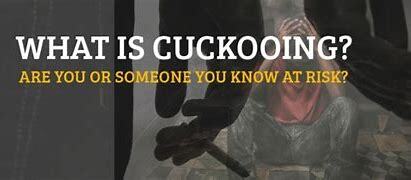
What is cuckooing? ‘Cuckooing’ is a form of criminal exploitation and the term used when criminals use or take over a person's home for criminal purposes, usually as a site to supply, store or produce drugs, often as part of county lines networks. OCGs may initially approach the vulnerable person offering free drugs or other things they may need; however, this may progress to threats of violence, and/or the victim being made to pay off drug debts through use of their home, and to assist in drug dealing. Victims may be forced to stay in their bedroom or are prevented from freely using rooms in their home such as their kitchen or living room. They are usually intimidated and left with little choice but to cooperate. Sexual assaults or other exploitation may also take place.
Resources
|

"Tricky Friends" is a short animation which was
developed by Norfolk Safeguarding Adults Board.
Cumbria Safeguarding Adults Board obtained their
permission to adapt this for use locally in Cumbria. It
is aimed at all individuals, groups and organisations
who support people with learning disabilities and
autism, to raise awareness of issues like exploitation,
county lines and cuckooing.
The animation will help people to understand what good friendships are, when they
might be harmful, and what they can do. It is important that people with learning
disabilities and autism, those who have cognitive difficulties, and also children and young
adults, have positive opportunities to make and maintain friendships. We want to help
them do this, to reduce the risk of harm and exploitation in groups who may be less able
to recognise the intentions of others. The animation is only 3 minutes long, and can be
used with or by anyone - carers, family, organisations, individuals and groups
|

The Home Office has published updated guidance to help frontline workers identify and protect victims of county lines gangs. This is aimed at police and other statutory frontline staff, particularly those who work with children, young people and vulnerable adults to identify potential victims of this type of criminal exploitation.
The guidance sets out the signs to look for in potential victims, and what action staff should take so that potential victims get the support and help they need. The document supplements any organisation’s existing safeguarding policies.
|
If a crime is in progress, call 999.
You can call police on 101.
You can report information online at Report | Cumbria Police.
You can speak to a police officer or PCSO operating in your community.
If you wish to report information anonymously, you can contact Crimestoppers on 0800 555 111.
|
|
|
|
|