|
The leading body for maternity and newborn safety investigations in England |
|
|
A monthly bulletin for stakeholders, clinical and non-clinical staff working in maternity, neonatal care and patient safety.
- COMPASS pilot findings
- National maternity review position statement
- Safety spotlight: Mothers with a learning disability
- Conferences
- Dates for your diary and other news
|
|
|
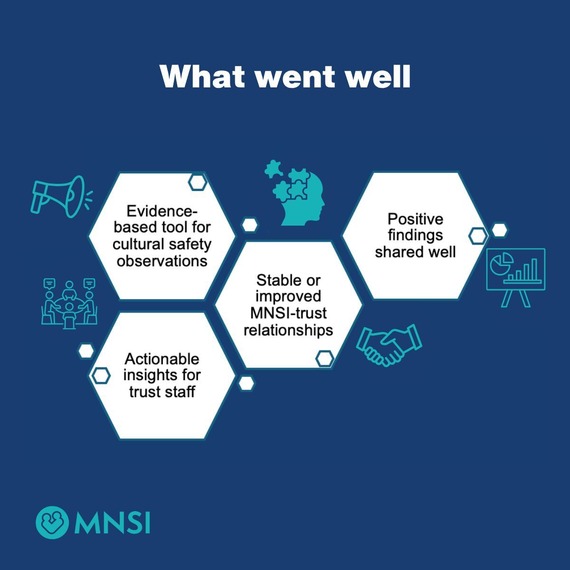
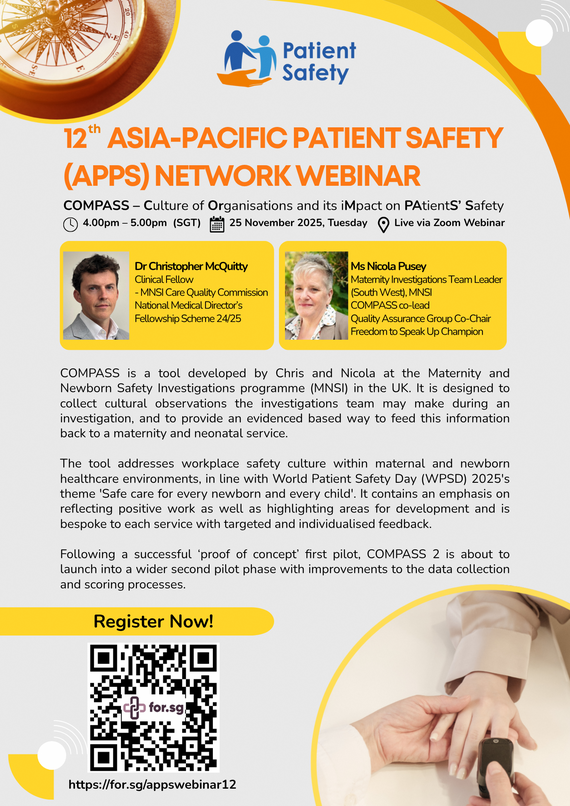
COMPASS (Culture of Organisations and its iMPact on PAtientS’ Safety), a tool developed to help healthcare staff identity and address cultural factors affecting patient safety in maternity services, has had positive feedback in its first pilot study.
Read more.
Register your interest.
|
|
|
In June 2025, the government announced a national maternity investigation into maternity and newborn care, led by Baroness Amos. Initially, 14 NHS trusts were identified for detailed review. The Terms of Reference for the review can be found here.
Following the announcement of an independent inquiry at Leeds Teaching Hospitals NHS Trust, and the removal of Shrewsbury and Telford Hospital NHS Trust due to an ongoing police investigation, the number of trusts under review has been reduced to 12.
MNSI investigations continue to be undertaken across all trusts in England that provide maternity and neonatal care. This remains unchanged. Our investigations are independent of the national review, and our position remains consistent: families are central to our work, and our role is to support the voices of families and staff without assigning blame or liability.
As part of these inquiries, MNSI has been working closely with the Department of Health and Social Care (DHSC), NHS England, and will respond to requests from the review teams as required. This may involve sharing high level information from our investigations; however, this will not include detail of individual investigations or include any personally identifiable information.
Read more.
|
|
Safety Spotlight: Mothers with a learning disability
A learning disability is a neurodevelopmental condition that affects how individuals process information, often impacting skills such as reading, communication, and memory. While many people with learning disabilities have average or above-average intelligence, they may require tailored support to navigate healthcare effectively.
Maternity care should be responsive to every woman’s needs. For those with a learning disability, evidence highlights opportunities to improve how care is planned, communicated, and delivered. UK research consistently points to risks around clinical safety, inclusion, and the experience of support.
In one investigation, a 34-year-old woman with a documented learning disability accessed maternity care through her GP and local unit. While staff were aware she processed information differently, her needs were never formally assessed or documented. Healthcare professionals assumed her disability was mild and that no additional support was needed because she asked appropriate questions and appeared to understand information given.
The woman gave birth to a healthy baby and was discharged home. Twenty days later, she collapsed and died—likely due to a cardiac event or pulmonary embolism. Her death triggered an MNSI investigation.
|
|
The investigation found that although her learning disability was acknowledged, its impact on her ability to access care, recognise warning signs, or escalate concerns was never explored. Her discharge summary lacked detail and omitted her learning needs and social context. The GP practice later recognised gaps in how learning disabilities were flagged and has since improved its systems.
Consider these safety prompts:
- How does your service record that a woman has a learning disability and how it affects her day-to-day care needs?
- What are the barriers to offering every woman with a learning disability the opportunity to complete a health and care passport?
- Could tools such as the health and care passport be used more routinely to capture communication preferences, concerns and support needs?
- How does your service ensure key information about learning needs and social complexities are consistently shared in discharge summaries?
- Have your staff been supported to undertake the government approved Oliver McGowan mandatory training on Learning Disability and Autism?
Further reading
NHS England (2024) Health and care passport. Read more.
NHS England (2025) The Oliver McGowan Mandatory Training on Learning Disability and Autism. Read more.
|
|
|
|
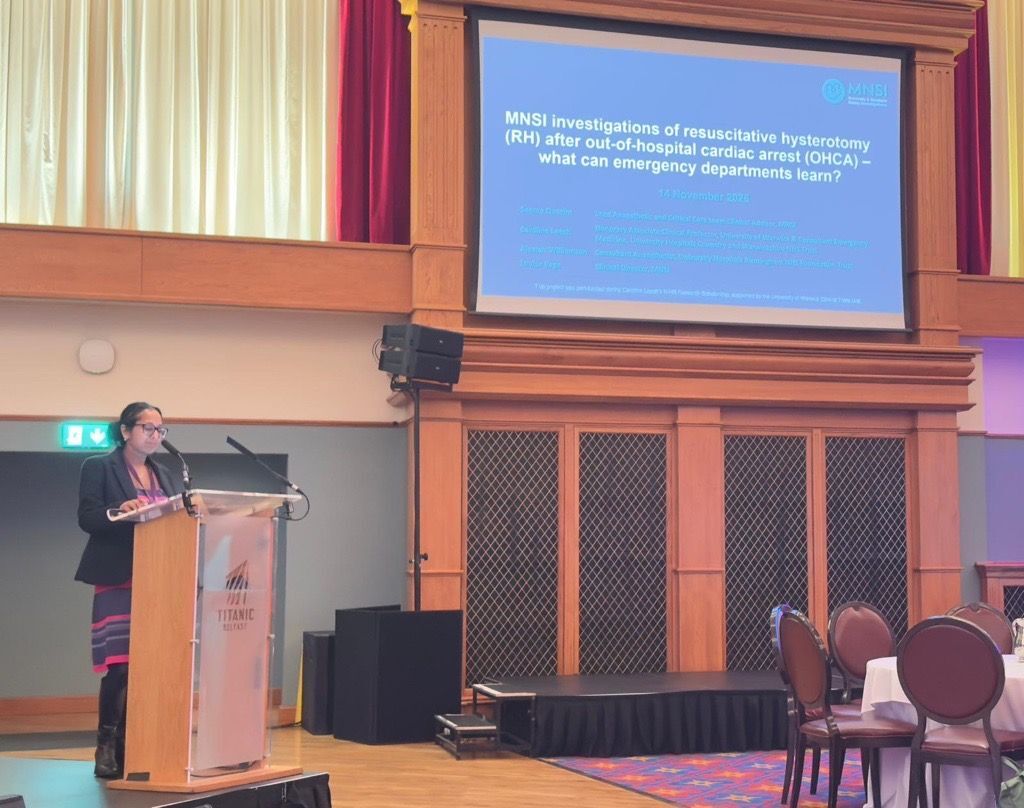
Last week we attended the British Intrapartum Care Society’s annual conference in Belfast. Our team delivered the following presentations:
- Louise Roe, Maternity Investigator: Delivering at a Distance: Remote hospital working and its impact on intrapartum care.
- Zoe Munson, Maternity Investigator: Maternity Investigator: Beyond the screen: Lessons from centralised monitoring for safer intrapartum maternity care.
- Seema Quasim, Clinical Advisor: MNSI investigations of resuscitative hysterotomy (RH) after out-of-hospital cardiac arrest (OHCA) – what can emergency departments learn?
Did you attend? Follow us on LinkedIn to keep up to date with our conference attendances.
|
|
|
We responded to the Care Quality Commission’s State of Care report. Read more.
Upcoming conferences where you can connect with us
|
|
|
|