 We have published the results of the 2024 Children and Young People’s Patient Experience Survey, revealing what over 25,800 children and young people under the age of 16 and their parents and carers said about the hospital care they received during March, April and May 2024.
The majority of children and young people who stayed in hospital overnight or were seen as a day case patient were happy with the care they received, said that they felt involved in decisions about their treatment and that their privacy was respected. Many parents and carers were equally as positive with 71% of those surveyed saying their child was ‘very well’ looked after overall.
While many responses reflected a positive experience, the survey also identified some areas where NHS trusts could improve and areas where there was inequity of experience (or poorer experience) for some groups of children and young people.
 |
|
In his first blog as Chief Inspector for Mental Health Dr Arun Chopra talks about his career so far, and reflects on the importance of community in mental health care.
Arun discusses the results of our 2024 Community mental health survey, as well as the comprehensive programme of inspections of community mental health services for working age adults and crisis services we have started following the findings of our rapid review of Nottinghamshire Healthcare NHS Foundation Trust (NHFT).
|
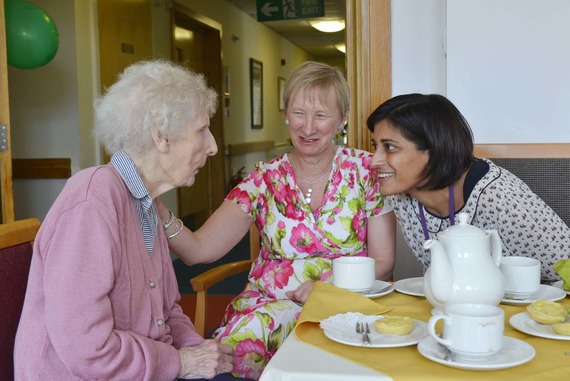 We have published a report on the experiences of people with dementia using health and social care services in England, and how these services are responding. Based on engagement with people living with dementia and their loved ones, as well as analysis of a range of information we hold, the report found that health and social care staff do not always understand the specific, personal care needs of people with dementia. The report also found that care environments, like hospital wards and care homes, sometimes do not support people's wellbeing.
However, the report also found how good care for people living with dementia is provided in considered environments by well-trained, compassionate professionals who understand the person and how best to relate to them. Our report highlights the practice that some services are taking to improve people’s lives and those who care for them.
We will use the findings from this report to develop, alongside people with lived experience, providers and other stakeholders, a definition of what good, joined-up dementia care looks like so that we can apply it to all areas of our regulatory activity.
 NHS England has published the Patient Safety Healthcare Inequalities Reduction Framework, outlining five principles to reduce patient safety healthcare inequalities across the NHS. The framework provides practical guidance for NHS teams to create inclusive, safe care environments through improved communication, staff training, better data collection, community involvement, and targeted research.
 We have updated our memorandum of understanding (MoU) agreement with the Human Tissue Authority (HTA) that sets out how we work together to share information and promote quality and safety.
The revised MoU was formalised in April 2025 and provides a clear framework to support the working relationship between both organisations. It highlights areas of co-operation and clarifies the boundaries of our respective areas of regulation.
 |
|
Professor Bola Owolabi (MRCGP, MFPH Hon, FRSPH) has been appointed as new Chief Inspector of Primary and Community Services at CQC.
Professor Owolabi will be joining CQC from NHS England where she is currently Director of the National Healthcare Inequalities Improvement Programme.
Professor Bola Owolabi will join CQC in the summer. She will combine her role with her work as a practising GP in the Midlands.
|
We have been made aware that a small number of providers have been contacted by people posing as CQC inspectors. Genuine inspectors visiting in person carry ID badges that include:
- a photograph of the inspector on the front
- a copy of our warrant on the reverse
- the signature of our Chief Executive (see details of our Executive team).
If you are unsure about the identity of an inspector, please contact our enquiries team on 03000 616161. Our team can check the inspector's details before you allow them onto our premises. For more information, including how to check the identity of a Specialist Advisor or what to do if an inspector contacts you by phone or email, visit our website.
|