 An open laptop with someone pointing at the screen
On the 26 April 2024 the Department of Health and Social Care published a consultation document seeking views on removing the expiry date of the The Health and Social Care Act 2008 (Regulated Activities) Regulations 2014 and replacing it with a 5-yearly review.
It is also seeking views on proposed amendments to the CQC regulations relating to:
- medical care (not First Aid) in a sports ground or gymnasium
- temporary arrangements to deliver medical care (not first aid) at sporting or cultural events
- introducing a new requirement to notify the CQC of the use of restraint, segregation and seclusion in mental health units
You can access the consultation document on GOV.UK. The consultation will close on 24th June 2024.
Dr Hilary Cass has submitted her final report and recommendations to NHS England in her role as Chair of the Independent Review of gender identity services for children and young people. It’s important for all providers and professionals to follow latest best practice guidelines in the delivery of care. This relates to our Quality statement “delivering evidence based care and treatment” and Health and Social Care Act 2008 (Regulated Activities ) regulations 2014 regulation 12: safe care and treatment”.
 An older man wearing a facemask, in bed - his hand held by a younger woman sat next to him, smiling.
We have now published final guidance to help providers understand and meet the new fundamental standard on visiting and accompanying in care homes, hospitals, and hospices. This follows a consultation earlier this year, which was limited to our guidance about the new fundamental standards. We received 553 responses to the consultation.
In their responses people often expressed support for the principles containted in the guidance and fundamental standard and related this to their own experiences. We are grateful for everyone who took the time to respond.
Read the guidance and news story for more information.
 An open laptop with a blank notebook placed upon it. On the notebook rests a pair of reading glasses and a black pen.
We recently announced that the Department of Health and Social Care asked us to take a lead on IC(E)TRs for the next 2 years.
This followed one of the recommendations made in Baroness Hollins’ report, published last autumn.
Review panels will start in late May. We will focus on ensuring that people who are autistic or who have a learning disability have an independent care and treatment review to move out of long term segregation. Our wider aim of this programme is to reduce the use of long-term segregation nationally.
We will follow the previous process for setting up reviews and will contact hospitals and families through NHS local support systems that are already in place.
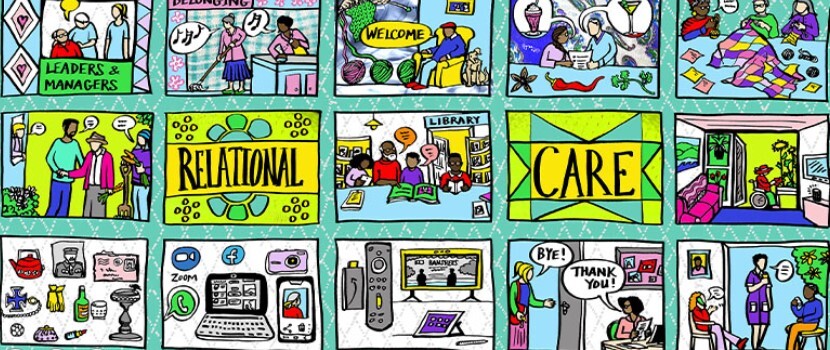 Image of a comic book style illustration of Relational Care
The Open University has launched a free course, Introducing Relational Care. Relational Care is a developing approach to supporting people with an emphasis on seeing the individual as part of a network of supportive and mutual relationships. Research shows that relational care is more effective in improving the wellbeing of those living and working in care settings and enabling them to enjoy a much fuller life. It represents a move to where people are not solely ‘givers’ or ‘receivers’ of care.
The course will introduce residential and day care setting providers, managers and staff to the concept and headline benefits of relational care and what contributes to its practice
Following reports of a data breach at the London Clinic, the Information Commissioner’s Office (ICO) would like to remind all healthcare organisations about the importance of keeping patient data secure.
Patient data is highly sensitive information that must be handled with care. When accessing healthcare and other vital services, people need to trust that their medical information is safe and only available to authorised employees.
Healthcare organisations should ensure:
-
Staff are thoroughly trained: Organisations should have data protection training in place that is role-specific, tailored and relevant to the tasks being completed. Staff should feel confident in handling people’s personal data safely and securely. It must be clear to staff about what records they are allowed to access.
-
Appropriate technical measures are in place: Appropriate measures, such as passwords and access controls, should be in place to ensure personal information can only be seen by people who need to use it.
-
Staff are clear on the data breach reporting process: An organisation must report misuse of personal data to the ICO if there is a risk to people’s rights and freedoms, which is often the case with sensitive medical information. This must be reported within 72 hours of becoming aware of the breach.
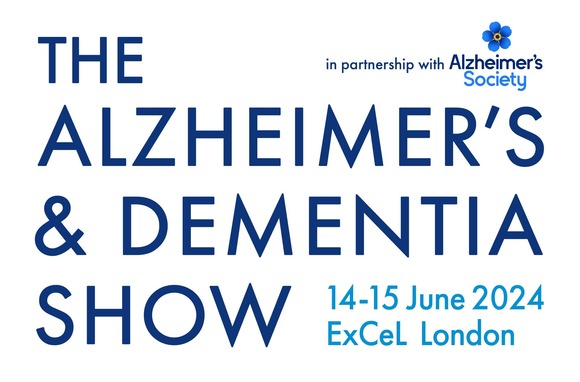 Blank white background with text that reads in the top right hand corner: In partnership with Alzheimer's Society. Larger text reads in capital letters: The Alzheimer's & Dementia Show. Text in bottom right hand corner reads: 14-15 June 2024 ExCel London
Covering all aspects of the fight against Alzheimer’s & dementia from drug discovery to treatment to care, with CPD content and training dedicated to care providers.
What to expect?
- CQC will be running an ‘inspector hub’. Attendees are invited to speak to a CQC inspector or registration manager to discuss any queries they may have; local inspectors will be able to answer any questions and give registration advice.
- Wide Range of Care Exhibitors: Explore a diverse array of products and services, handpicked to meet the unique needs of caregivers.
- Expert Speakers: Gain insights from industry leaders and experts, unlocking the knowledge to navigate the complexities of Alzheimer's and dementia care.
- Specialised Training: Virtual Dementia Tour Training, and the Dementia Interpreters Training Course where you can become a registered Dementia Interpreter.
Join us on 14-15 June at ExCel London and find out more on the website.
|