 Our Listening, Learning, Responding to Concerns Review is an independent review to identify improvements to how we learn from, respond to, and act on concerns. This review is in two phases. Our Director of Integrated Care, Inequalities and Improvement, Scott Durairaj is leading the oversight and delivery of both phases.
In September 2022, we announced the appointment of Zoё Leventhal KC of Matrix Chambers to lead the first phase of the review into our handling of protected disclosures shared by Mr Shyam Kumar. We have now published further details of the areas of focus for phase 2 of the review along with details of members of an independent governance panel. This panel has been set up to oversee the review and to help ensure its independence and credibility.
 In her latest Care Management Matters column, Debbie Ivanova, Director for People with a Learning Disability and Autistic People, shared the findings from our Who I am Matters report on the experiences of being in hospital for people with a learning disability and autistic people.
You can also catch up with some of our recent blogs. Topics include:
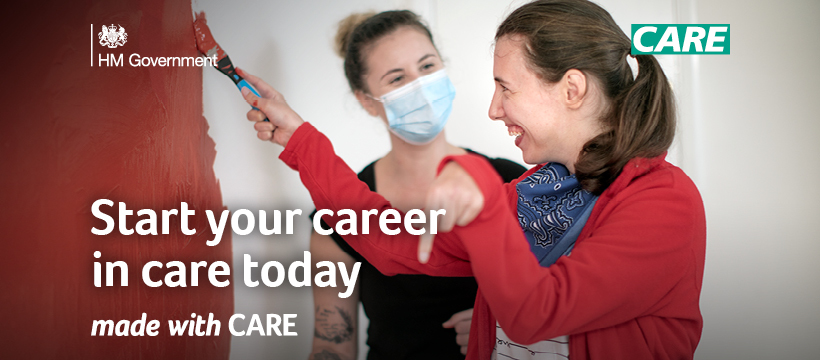 The Department of Health and Social Care’s (DHSC) Made with Care campaign has returned to highlight the range of opportunities to build a career in adult social care and help others live happy, healthy and fulfilling lives.
A suite of easy-to-use campaign materials are available for you to help advertising job opportunities locally. They feature imagery and messaging from the national adverts, but you can add your own logo and details too.
Developing a minimum dataset for homecare (DACHA-DOM)
 Population Health Sciences Institute at Newcastle University and the Social Policy Research Unit at the University of York are conducting a survey of homecare providers. They're asking how homecare data is collected, recorded and stored, together with the barriers faced.
The project is focused on understanding the feasibility of implementing a ‘minimum data set in homecare’, meaning a system of standardized data collection that could be used to evaluate the support needs of local populations over time, inform resource allocation and monitor quality.
In their recent Care Management Matters column, you can learn more.
Many learning disability nurses work in social care settings, in a wide variety of roles. It can be isolating sometimes, particularly if you don’t have other learning disability nurses in your organisation.
The Royal College of Nursing (RCN) Learning Disability Nursing Forum has organised an online networking event for learning disability nurses working in social care to help nurses connect with each other, share experiences, and identify ways to support each other.
|