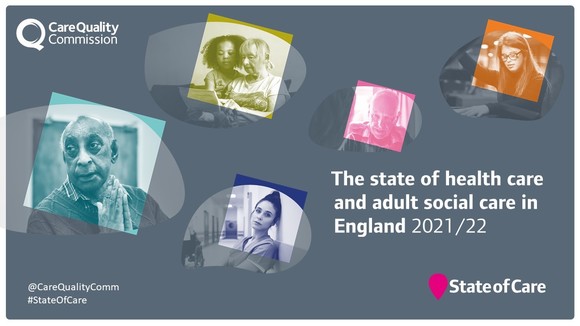
Our annual assessment of the state of health and social care in England published on 21 October 2022.
State of Care looks at the quality of care over the past year. Based on our inspection activity, information received from the public and those who deliver care alongside other evidence - the assessment is that the health and care system is gridlocked and unable to operate effectively.
Key themes in this year's report are:
-
Gridlocked care
-
Access to care
-
Inequalities in care
-
Areas of specific concern including maternity services and those that care for people with a learning disability and autistic people
-
Workforce
-
Systems: challenges and opportunities
For more detailed findings read the full report.
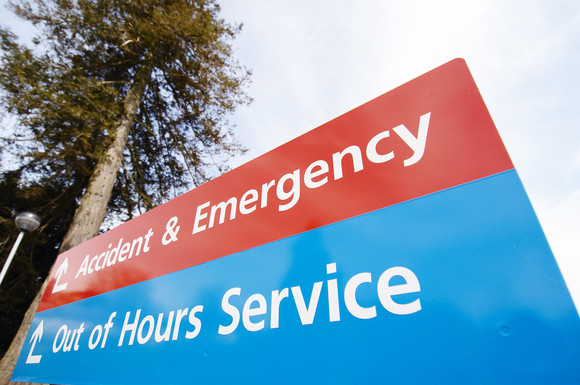 NHS and social care services are under extreme pressure and as we head into what is likely to be an extremely difficult winter, the scale of the challenges ahead cannot be underestimated.
In this highly pressurised environment, the Care Quality Commission (CQC) has a clear responsibility to ensure that people are receiving safe care. But alongside that, we have an important role in helping services to manage the challenges they face by listening to and working with them to offer support wherever possible. We want to actively encourage innovation and offer a space to discuss and test ideas against our regulatory expectations.
Read more in a new update published on our website, in which we also link to two key resources aimed at supporting services and local systems: PEOPLE FIRST and PATIENT FIRST.
Provider review process

We know how important the current Factual Accuracy process is as part of our inspection model.
As we look forward to our new regulatory model we want to get your feedback. We really want to hear your views about what is working well and what isn't. We also want to get your views on what you would like to see and how the process could work in the new model.
The survey will close on 30 November 2022

-
How often we will assess services
-
How we'll gather evidence
-
How we'll reach a rating (including our new scoring approach)
We're currently developing the timeline for when we'll implement this new approach. We'll keep you updated as this develops. Meanwhile, we continue our current methods to monitor, assess and rate providers.
Skills for Care has published a set of resources to help anyone involved in the care and support of individuals to have a clearer understanding of culturally appropriate care and what that may mean to individuals they support.
The ‘Culturally appropriate care guide’ covers a broad range of topics that will help you to learn about and be sensitive to people’s cultural identity or heritage.
To support the learning within the guide, Skills for Care has also published a series of resources for use in training and development. These cover supporting individuals from ethnic minority groups and backgrounds, stereotyping, and supporting relationships and people who are lesbian, gay, bisexual, transgender, queer and others (LGBTQ+).
University College London (UCL) and The Outstanding Society (OS) have established a new partnership to tackle the problem of infections in care homes and learn lessons from the pandemic.
The project builds on the national VIVALDI study, when researchers and care providers worked together to produce evidence rapidly, which directly informed care home policy on COVID-19. Key examples include showing how important it was to pay full sick pay to staff – supporting the set-up of the Infection Control Fund, and monitoring how well vaccines protect vulnerable residents – informing when to use booster vaccines.
|