|
|
|
|
|
|
 |
|
"COVID-19 is magnifying inequalities across the health and care system – a seismic upheaval which has disproportionately affected some more than others and risks turning fault lines into chasms. As we adjust to a COVID-19 age, the focus must be on shaping a fairer health and care system – both for people who use services, and for those who work in them.”
Ian Trenholm, Chief Executive, CQC
|
The quality of care before the pandemic
Pre-Covid, care was generally good, but with little overall improvement and some specific areas of concern:
-
In the NHS, improvement in some areas, including emergency care, maternity and mental health, was slower than others.
- In mental health services, inspectors continued to find poor care in inpatient wards for people with a learning disability and/or autistic people.
- The social care sector was fragile as a result of the lack of a long-term funding solution, and in need of investment and workforce planning.
- In primary medical services, the fact that the overall ratings picture remained almost unchanged, with 89% of GP practices rated good and 5% outstanding masked a changing picture, with some practices deteriorating and a similar number improving.
Since the arrival of COVID-19, all these things remain true, but so much else has changed. In considering the health and care system’s initial response to the pandemic in order to learn lessons for the future, there are elements to build on – and elements to reassess.
 |
|
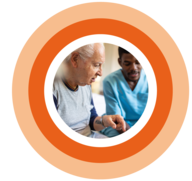
Progress in changing the way care is delivered, expected to take years, has been achieved almost overnight
The challenge going forward will be to keep and develop the best aspects of these new ways of delivering services while making sure that no one is disadvantaged in the process.
|
 |
|
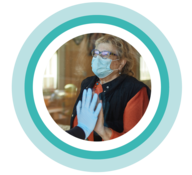
COVID-19 has magnified inequalities across health and care system
Focus on acute care was driven by urgent imperative that the NHS should not be overwhelmed. Decisions were made in order to ensure capacity as quickly as possible – now priorities need to be reset to ensure that the longer-term response includes everyone, no matter what kind of care they need or where they receive it.
|
 |
|
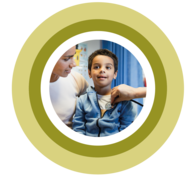
The need for health and care services to be designed around people’s needs is even more critical
The impact of COVID-19 has been felt more severely by those who were already more likely to have poorer health outcomes – including people from Black and minority ethnic backgrounds, people with disabilities and people living in more deprived areas.
|
 |
|
In social care, COVID-19 has not only exposed but exacerbated existing problems
The long-standing need for reform, investment and workforce planning in adult social care has been thrown into stark relief by the pandemic. Our report makes clear that these issues need to be urgently addressed – underpinned by a new deal for the care workforce, which develops clear career progression, secures the right skills for the sector, better recognises and values staff, invests in their training and supports appropriate professionalisation.
|
 |
|
Pressure across the system this winter
In the NHS, emergency departments now face the prospect of a winter which combines pre-existing pressures with the urgent demands of COVID-19.It will be particularly important that those services where improvement was already not quick enough – for example mental health and maternity – do not fall further behind.
|
|
Let us know what you think of this year's State of Care and see what others are saying by joining the conversation using #StateOfCare or follow @CQCProf
|
|
 |
|
|