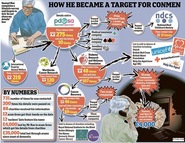
 A recent press article highlighted how easy it is for vulnerable people to become
‘victims’ of a host of junk and scam mail simply by not ticking a ‘do not share
my details’ box on a ’lifestyle survey’.
This
resulted in the information being sold on a further 200 times resulting in a
financial loss of £35,000 and 730 demands for cash, many from Charities.
Organisations
that collect and use information from surveys have responsibilities to protect
it but there are precautions anyone can take to ensure that your privacy is
respected:
Surveys
If asked to participate in a survey,
either online, unsolicited phone call or someone stopping you in the street be
mindful of what information they are asking for and what it will be used for. In
many cases the information is sold to marketing companies, and it is then that
the unwanted calls and emails can start. This is also the same with warranty
cards in products – just fill in the basics and read carefully to ensure you ‘opt
out’ from further marketing and don’t give your mobile phone contact or email
address.
Read the small print when you buy
Especially if online and read the small print on how
the company will use your personal details. You should be given an option to
tick or un-tick a box which allows the company to send you marketing materials.
However, this may also give them permission to pass your details to others. If don’t
want this, don’t give them your permission.
Opt out of the Edited Electoral
Register
When registering to vote in elections
you are given the opportunity to opt out of the edited register which is the version sold to marketing
companies. If you opt out, your details will not be passed on.
Taking out financial products
When you apply for products such as
insurances, credit cards, and other financial services, read all the small
print to ensure you have opted out from further marketing.
Online pop-ups
Often, these will appear offering
you the chance to ‘win’ a product. Again, the information you provide can be sold
on, and the chances of you winning anything are slim.
Unsolicited text messages
Don’t reply to unsolicited texts - this
just confirms that the mobile number is in use resulting in further spam texts.
Instead, forward spam texts to your mobile provider:
- For Everything Everywhere and 02 text 7726
- For Vodafone text 87726
- For 3 text 37726
Unsolicited E-mails
If there is an existing customer relationship between you and a company,
they may send you unsolicited messages about their products and services, providing
you are given the option to refuse it. Usually, at the bottom of these emails
will be the option to unsubscribe from their mailing list. If it from someone you
do not recognise, delete without opening it, otherwise you will just be
confirming it is a ‘live’ email address leading to more spam.
Our
advice
Do not to disclose personal contact information to anyone that should
not have a need for it. Remember the more people that have this information,
the more cold calls you are likely to have.
More information on the press article mentioned above,
|