|
In this issue:
This week for Scams Awareness Month we’re focusing on scams that come in the mail, where fraudsters contact their victims by letter to try to trick them into parting with cash.
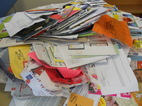
Fraudsters use mailing lists to target the most vulnerable and anyone who responds will often be added to what criminals call "suckers lists" which are then sold to other scammers all over the world. This can result in over a 100 scam letters being delivered to someone per week.
Coventry Trading Standards are part of the national Trading Standards Scam Team based in East Sussex and together we help tackle scams.
Currently we are working our way through a list of local residents given to us by the national team of people on one of these lists.
In addition we were also given around 60 completed order forms for confectionery special offers, cosmetics and health food supplements which had cheques, cash, postal orders, debit and credit card details - including security codes attached to them, which had been found in various PO Box numbers known to be used by known scammers.
We will now be reuniting these and offering advice to those residents on how to avoid falling for scams.
Our advice: never respond to mailings which request personal information or money to claim a prize or money no matter the reasons given.
Back to top
|
Lotteries
A letter proclaims a huge lottery win – even though you haven’t bought a ticket but to collect your winnings you have to send money to cover "processing" or "administration" costs.
Advance fee
A letter offers a huge payment in return for help in getting money out of a foreign country. People are promised a slice for helping with the transfer and may be asked for bank details but once handed over, fraudsters raid the victim’s bank account.
Clairvoyants and psychics
Such mailings make predictions with a warning of dire consequences if you do not respond. Many promise a bright future with details to follow but money has to be sent first. Those who send money get little or nothing in return and are likely to be bombarded by further scam mailings.
Businesses scams
Letters saying an order for advertising space or office materials has been made when there hasn't, or a fictional debt is owed. Always challenge these letters, never pay without demanding proof that you have placed an order, or that you owe money.
Back to top
|
Many organisations (including councils) collect and sell information about you. To reduce the amount of junk and scam mail you receive, follow these tips:
- Avoid filling in marketing surveys or questionnaires. Junk/scam mailers buy this information to send unwanted post, junk e-mails and make telephone calls. Some traders might even make doorstep visits.
- If you receive junk mail with a return address on the envelope, write 'unsolicited mail, please return to sender' on the envelope and put it back in the post unstamped. Do not respond in any other way.
- Remove your name and address from www.192.com. Use form: 'C01 record correction form' available from their website. 192.com is one of the principal UK directories used by companies to get names, addresses and telephone numbers.
- Register with the Mailing Preference Service (free of charge).
- When you fill out your annual electoral registration form, choose for your details NOT to be added to the 'Edited Electoral Register' (sold for marketing purposes).
- Whenever you give your name, address or e-mail to an organisation, for instance when you buy a product or service, always tick the opt out boxes to say that you don't want any further information from them and you don't want your details shared with 'carefully selected' third parties.
- If you want to stop unaddressed mail, opt out of Royal Mail's door to door service. However, doing so may prevent you from receiving important mail from the Government.
- Don't respond to any unwanted letters, e-mails or telephone calls. This will only encourage them (and others that they share your information with), to send more.
Back to top
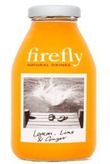
Purity Soft Drinks Ltd is recalling one batch of its Firefly Lemon, Lime and Ginger Natural Drink (330ml) with a ‘best before’ date of April 2016 and batch code 5029 because some bottles may contain broken glass on the rim of the bottle. This product was only distributed to Asda stores.
- Product: Firefly Lemon, Lime and Ginger Natural Drink (glass bottles)
- Batch code: 5029
- ‘Best before’ date: April 2016
No other Purity Soft Drinks or Firefly products are known to be affected.
If you have bought the above product, do not drink it. Instead, return it to the store from where it was bought for a full refund.
Back to top
|
For more information on scams, visit: www.coventry.gov.uk/scams
|