|
It’s a pleasure to introduce this month’s newsletter, which reflects the breadth of work our teams are delivering across the UK and internationally.
This edition highlights how Cefas science continues to support sustainable use of our seas — from understanding the impacts of offshore renewable energy to reducing bycatch and strengthening long-term monitoring in key fisheries such as Nephrops. We also share progress from international partnerships, including the launch of a new regional oil spill response platform in South Asia and updates from the Blue Belt Caribbean survey.
You’ll also find insights into emerging areas of research, including seabed carbon and its role in climate discussions, alongside new episodes from our Unchatted Waters podcast exploring the future of marine energy.
As always, this work reflects the collaboration and dedication of colleagues and partners across the marine science community. I’m delighted to have returned to Cefas, after my recent secondment and look forward to supporting Cefas’ continued impact in the months ahead.
Neil Hornby, Cefas CEO
|
|
|
Unchatted Waters Podcast: Renewable Energy
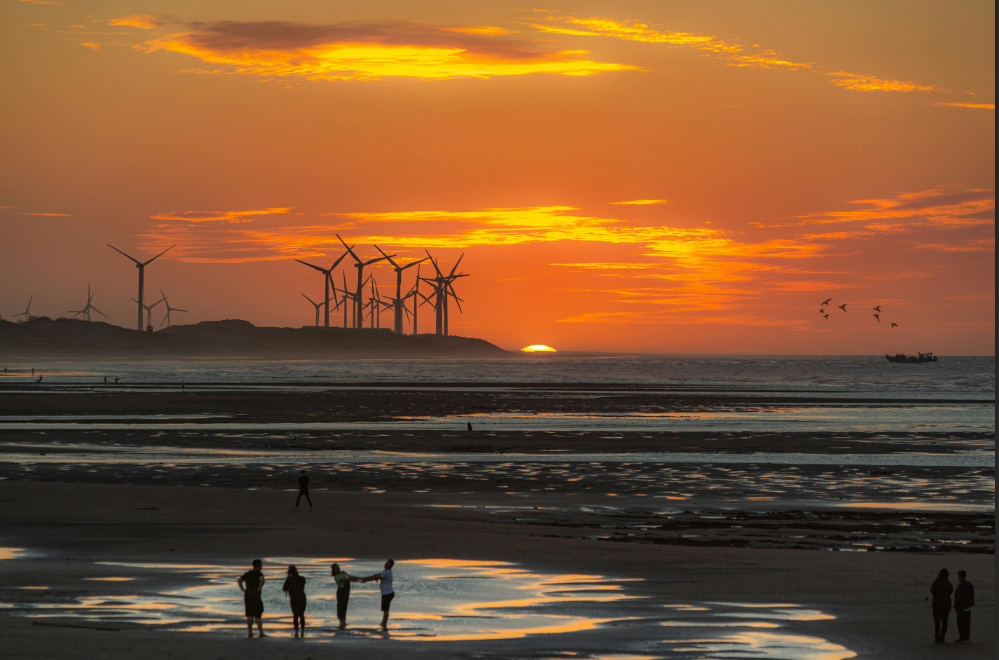 Listen to our latest Unchatted Waters podcast about Renewable Energy.
In this episode we discover how we can harness energy from the sun, wind and even tides and waves. We learn how energy has shaped our modern world and the need to balance the impacts and benefits of renewable energy.
Listen on your usual podcast providers or on the Cefas website (episode 20).
|
|
Science Spotlight: Advancing mussel-based monitoring
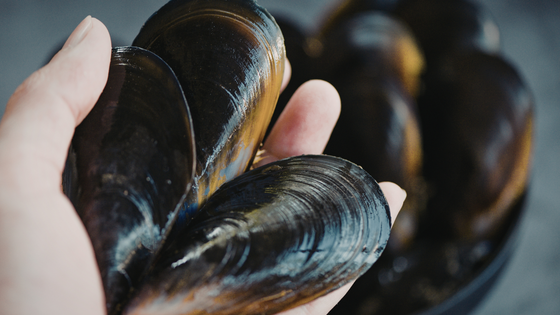 Advancing mussel-based monitoring: integrating litter and harmful algal bloom data into a multi-stressor assessment of England and Wales.
Monitoring pollution in our seas is vital for understanding risks to marine life and informing action. This study explored whether mussels could act as a “sentinel species” to help track microplastics — tiny plastic particles that are now widespread in the marine environment.
Mussels collected from seven locations around the English and Welsh coast were tested for microplastics and harmful algal toxins. Just over half were found to contain microplastics, although no pollution “hotspots” were identified. While harmful algal toxins were not detected at the time of sampling, several sites had experienced toxin events earlier in the year.
As microplastics may increase the vulnerability of marine organisms to other environmental pressures, monitoring multiple stressors together could give a clearer picture of risk. The findings suggest mussels are a suitable species for tracking microplastics, helping to inform future pollution monitoring and mitigation efforts.
|
|
Seabed Carbon Risks: What Our Evidence Shows
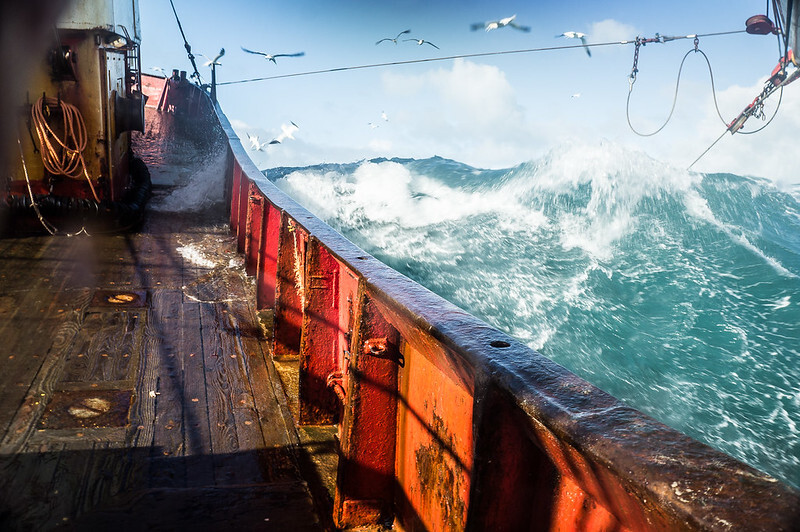 A new technical briefing reviews the latest evidence on how trawling, other human activities and climate change affect seabed carbon.
In this new blog, UK and international blue carbon experts highlight the important role of the UK’s seabed in climate mitigation, storing an estimated 240–524 million tonnes in the upper 10 cm alone. They present new evidence on trawling gear - seabed interaction, suggesting that emissions released from trawling, while still significant, are likely to be lower than previously estimated.
The authors also highlight uncertainties linking carbon disturbance from various human activities, carbon reactivity and actual emissions. The findings have highlighted potential trade-offs for management options supporting environmental, clean energy, and food security goals and paves the way for cross sector collaboration and consensus.
|
|
Media Spotlight: Ocean Country Partnership Programme forum, Belize
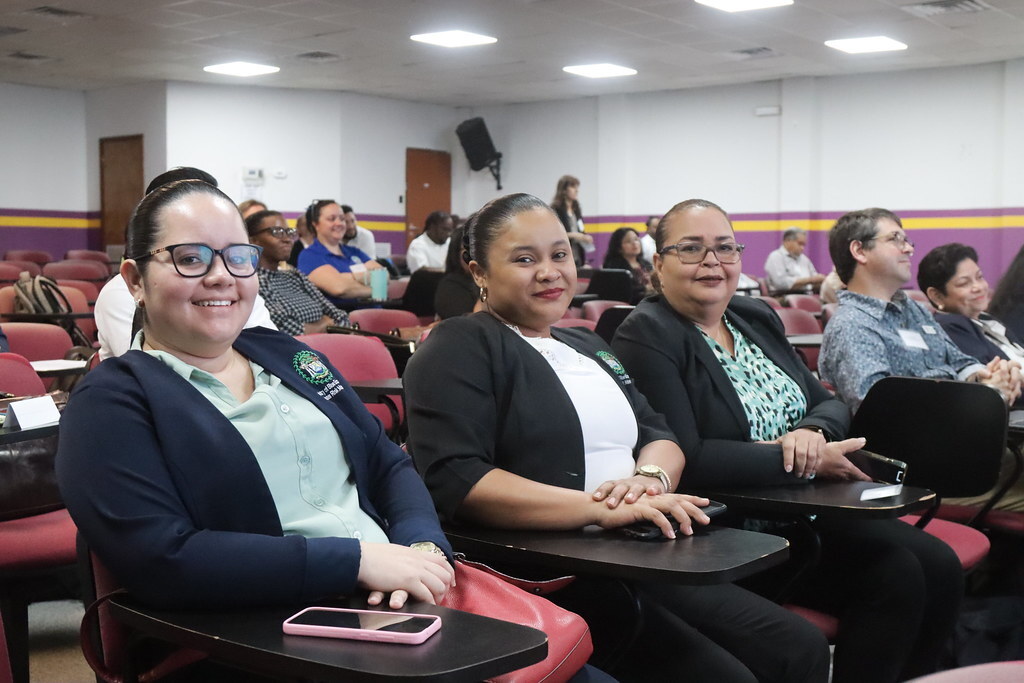 Belize hosted the closing Ocean Country Partnership Programme (OCPP) Forum in Belmopan in February, bringing together government leaders, scientists, partners and youth representatives to reflect on five years of collaboration between the UK and Belize.
The three-day forum highlighted achievements across marine conservation, pollution reduction and climate resilience, showcasing how UK-supported science and technical assistance have strengthened ocean governance and built local capability. Discussions also focused on ensuring the knowledge, tools and partnerships developed through OCPP are embedded within national institutions as the programme transitions.
The event celebrated the impact of the UK–Belize partnership and looked ahead to the next phase of ocean action, with a continued focus on sustainable blue economy development and long-term resilience for Belize’s marine environment.
7 News Belize | Sunup on 7 (from 1:30)
Love FM Belize | The Morning Show (from 0:35)
University of Belize | Youth Ocean Forum | Facebook
|
|
Strengthening regional oil spill response in South Asia
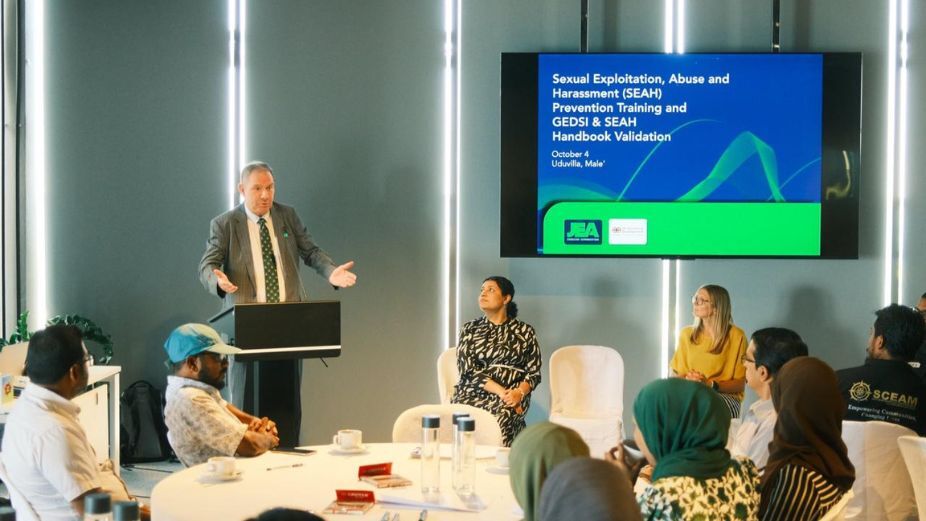
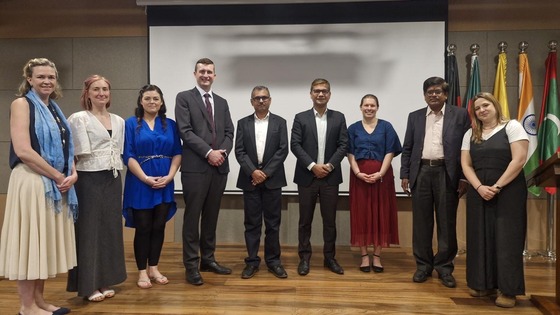 The South Asia Seas Regional Oil Spill Response Centre (SASROSRC) Emergency Response Platform was officially launched during a National Focal Points Consultation Workshop in Colombo, Sri Lanka.
The platform provides a shared digital space for collaboration across South Asian countries, including an expert directory, emergency equipment database, case studies, guidance materials and a secure discussion forum. By strengthening regional coordination and enabling faster response, it supports implementation of the South Asian Regional Oil and Chemical Spill Contingency Plan and helps safeguard the marine environment.
The platform was launched collaboratively by the South Asia Co-operative Environment Programme (SACEP) and partners, with support from the UK Government’s Ocean Country Partnership Programme.
|
|
Beyond The Reef: A leg of surprises in the Turks and Caicos Islands
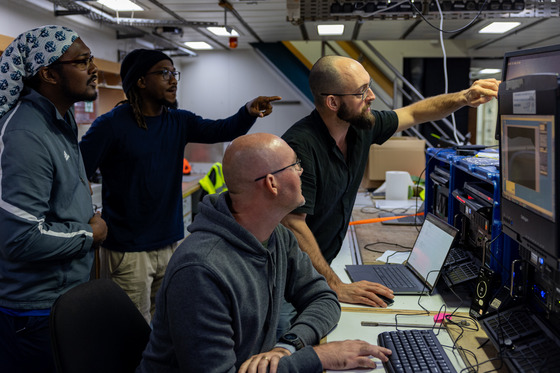 As the Beyond the Reef Caribbean Expedition is entering its last days, we'd like to reflect on the Turks and Caicos Islands (TCI) leg of the expedition. Until now, TCI's deeper waters have remained mostly unstudied.
However, over 10 days, the team on board the RRS James Cook worked intensively to collect a wealth of data to change this, uncovering a watery world of dramatic topography and alien-looking creatures.
Discover what was learnt in the Turks and Caicos Islands in this blog.
|
|
Collaborative underwater TV surveys of Nephrops in the Irish Sea
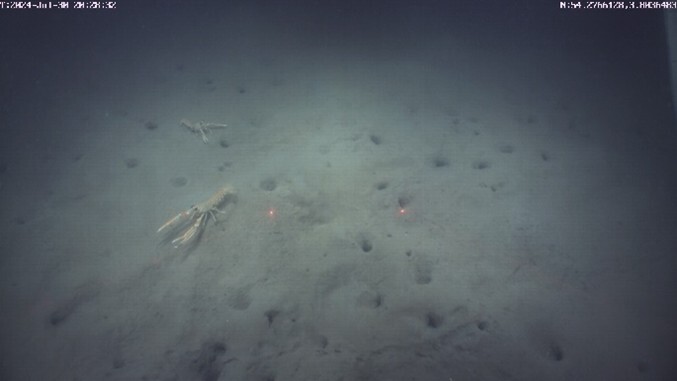 Nephrops, more commonly called langoustines, Dublin Bay prawns or just prawns, are a commercially important shellfish species, with numerous fisheries around Great Britain and Ireland. The fisheries are a vital source of income for coastal communities and associated industries.
Underwater Television (UWTV) surveys have formed the basis of assessing the status of Nephrops stocks since the 1990s. Despite significant technological developments over the same period, the basic process for carrying out these surveys has remained largely unchanged although new technology including AI is being trialled.
Read more in the recent blog, that shares how partnership between Cefas, Marine Institute, Republic of Ireland, and Agri-Food and Biosciences Institute, Northern Ireland, onboard the Research Vessel Corystes enables experts to learn from each other to provide an estimate of stock size for stock assessors to use as a basis for International Council for the Exploration of the Sea (ICES) in setting catch advice.
|
|
People Spotlight

Each month we shine the spotlight on the work of a current member of Cefas staff.
"Hi! I'm Dani, the Communications Lead for the Blue Belt Programme. I recently had the opportunity to join the first Anguillan and Turks and Caicos Islands legs of the Beyond The Reef Caribbean Expedition on board of the RRS James Cook.
"When studying Marine Biology at the University of Southampton, I would often see the RRS James Cook moored up. However, I never once thought that I'd be able to step onboard. Especially, as I chose to go down the science comms route. So to be a part of the Beyond the Reef Caribbean Expedition was a real dream.
"I loved seeing how all the data from the different scientific disciplines came together to paint a picture of the marine ecosystem from the seafloor up! I am especially grateful to be able to join in with some of the data collection, from helping the chemistry lab collect water samples to sorting the various deep-sea oddities that were caught in the net. It was also a joy working alongside such a talented and dedicated team of people.
"I have the fortunate role of sharing highlights of the science conducted on the expedition with the wider world. There is still so much more that is yet to be revealed, so keep an eye out!"
Danielle Anthony - Blue Belt Communications Lead
|
|
|
|
|
|