| |

At Cefas, we are committed to support improving the environment and safeguarding the essentials of life—food, water, and energy. As a critical national scientific capability for the UK Government, our science, data, and advice underpin sustainable economic growth and societal wellbeing. This year’s report highlights how our work balances the needs of the economy, society, and nature to secure a resilient future for our rivers, seas, and oceans.
The report features a diverse range of case studies that illustrate our contribution to the UK’s growth objectives. These feature sustainable fisheries management, innovation in aquaculture and seafood safety, clean energy transition, marine emergency response and international scientific collaboration.
These examples reflect how Cefas is delivering against the strategic priorities of the Environmental Improvement Plan and the Cefas 2030 Strategy, while also enabling growth through innovation, data-driven science, and international engagement.
This edition of the Blast newsletter features selected science highlights from our recent Annual Report. See the full Cefas Annual Report and Accounts 2024-25 to find out more.
Tim Green, Cefas Interim CEO
|
|
|
Seaweed and shellfish aquaculture
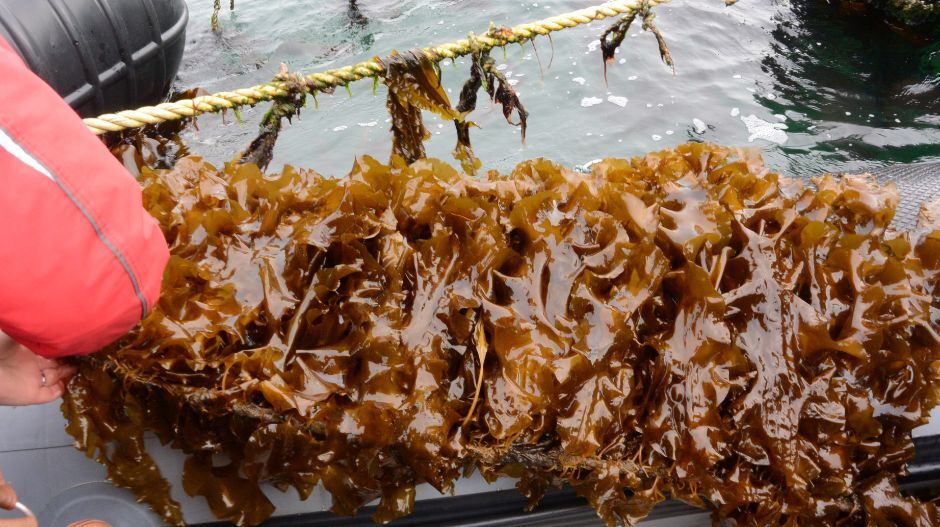
Find out about how seaweed and shellfish aquaculture have the potential to contribute to the blue-green economy, helping to meet the UK government's Net Zero objectives and contributing to food security. Seaweed and bivalve shellfish, such as mussel and oyster, aquaculture provide food for people and animals, while taking up carbon and nitrogen from the surrounding water. However, there is limited quantitative evidence of how effective these forms of aquaculture would be for carbon storage and nutrient recycling. Cefas' research showed that seaweed and bivalve aquaculture can help achieve carbon Net Zero objectives by replacing higher carbon-footprint marine proteins and products, helping to avoid emissions.
|
|
Fisheries Management Plans (FMP)
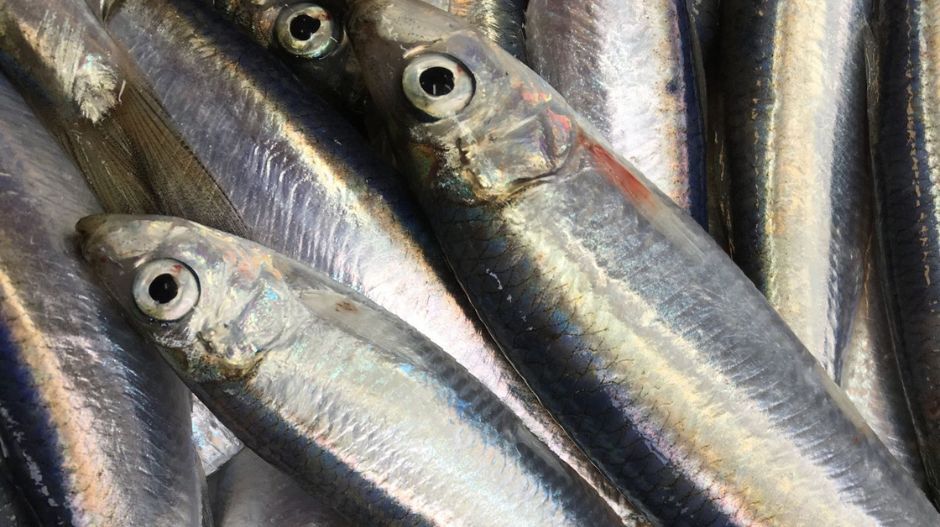
Fisheries Management Plans are evidence-based action plans that aim to deliver long-term sustainability of fisheries across the UK. Bringing together the best available science, industry experience and current management approaches, each FMP outlines short, medium and long-term actions to restore fish stocks to or maintain them at sustainable levels. Since the launch of the FMP Programme, Cefas has provided direct evidence to Defra, drawing on data and results from decades of our monitoring, research and assessments, as well as contributions from other partners, including industry-led data collection. We will continue to provide advice and evidence to support the FMP Programme throughout 2025 and 2026.
|
|
Red Skin Disease in salmon
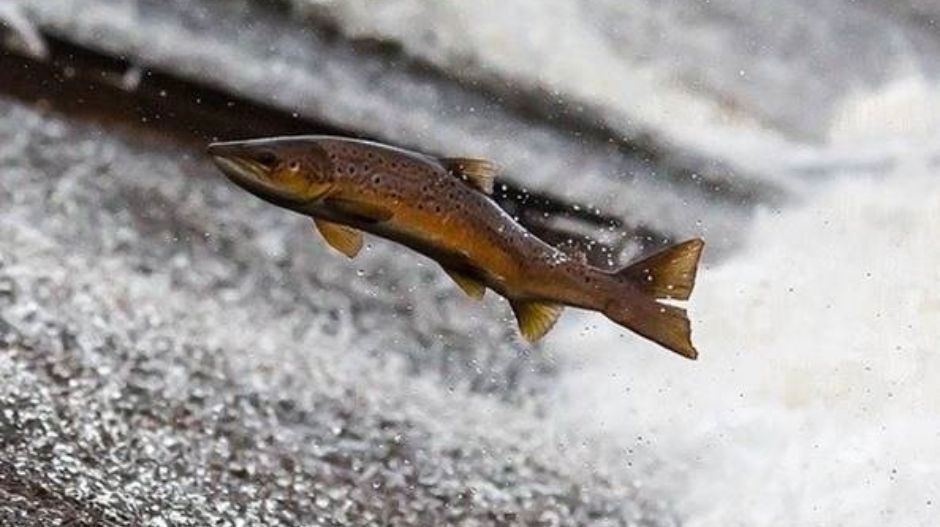
Find out more about Red Skin Disease (RSD), an emerging disease of wild Atlantic salmon. Atlantic salmon is a vulnerable species experiencing population decline across Europe. Despite its impact, the cause of the disease remains unconfirmed. Disease investigation, using Cefas’ science expertise, supports species conservation and contributes to food security. A collaborative study between Cefas, Marine Scotland Science and the Environment Agency analysed wild Atlantic salmon samples from 2021-2022 using molecular biology techniques on skin sections. Results strongly indicate the presence of an infectious agent, which could be associated with the disease and the research validates previous findings and provides valuable insights for monitoring emerging diseases in this economically important migratory species.
|
|
Offshore wind and fisheries
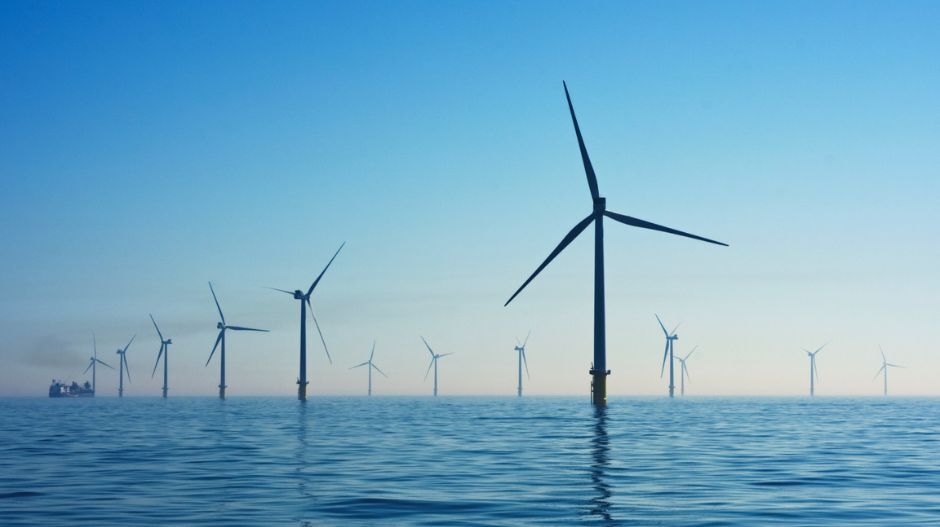
As offshore wind plays an increasingly vital role in the UK’s journey to net zero by 2050, understanding its impact on the UK’s commercial fish species is critical, both for marine management and the future of the UK fishing industry. In the first comprehensive global review of its kind, Cefas scientists analysed over 1,200 studies on offshore windfarm interactions with fisheries species. Less than 5% of studies provided direct evidence of any impact - positive, negative or neutral. Most focused on species found on the seabed, with limited understanding of sharks, rays and skates, and very few examined impacts at the stock level, which is most relevant to fisheries management. The findings are contributing to the ICES Offshore Renewable Energy Roadmap, which aims to balance the UK and EU’s clean energy needs with sustainable fisheries management.
|
|
Water quality monitoring
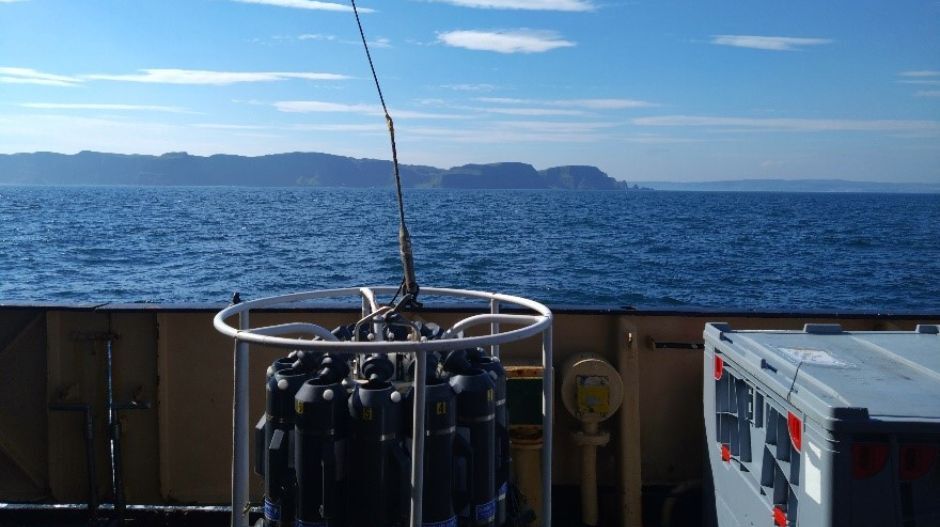
Find out more about Cefas' work on monitoring water quality across 17,763 square miles of UK waters. The Irish Sea is important for biodiversity, industry shipping and offshore wind generation, and its many estuaries and coastal waters provide crucial benefits for the environment and local communities. However, pollution, climate change and human activities are an increasing threat. In a recent blog, Cefas, the Environment Agency, Agri-Food and Biosciences Institute, Cyfoeth Naturiol Cymru / Natural Resources Wales, The Marine Biological Association discuss how collaboration and improved coordination have been key to successful monitoring in the Liverpool Bay area. The data collected is providing vital information to support the UK government’s Marine Strategy which aims to protect the UK’s marine environment.
|
|
One Food programme
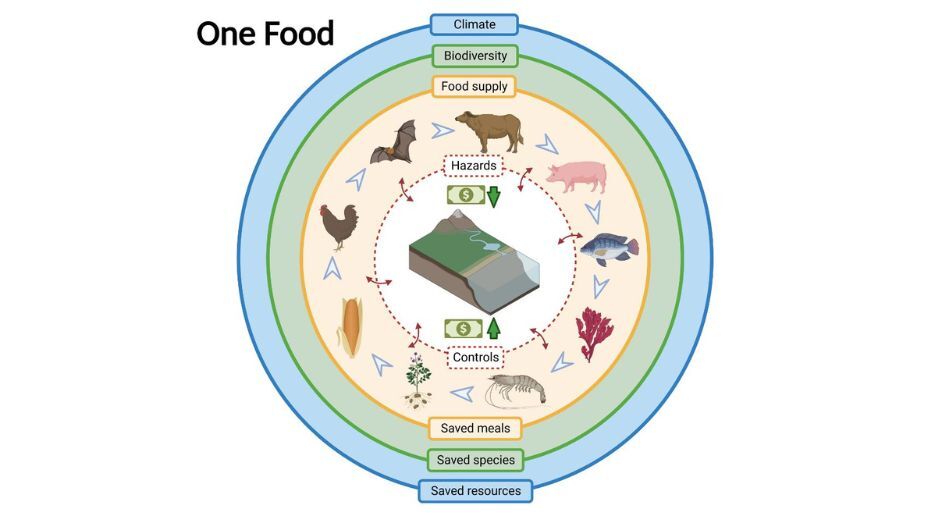
The One Food programme, which saw a collaboration between Cefas, the Animal and Plant Health Agency (APHA) and South African partners, the Council for Scientific and Industrial Research (CSIR), brought together 21 partners globally to develop One Health approaches for climate resilient, safe and sustainable food systems. Funded through the Department for Environment, Food and Rural Affairs (Defra) UK International Development fund, the programme focused on three primary themes: generating food system evidence, creating a One Food Risk Tool, and enabling systemic change. Developing the One Food Risk Tool was a significant achievement as part of the programme, a whole-system assessment tool that evaluates various hazards' impacts on food systems by considering chemical, biological, physical and socio-economic factors across value chains. This work continues to inform Cefas' science, evidence and advice in support of sustainable food security.
|
|
Middle East science partnership
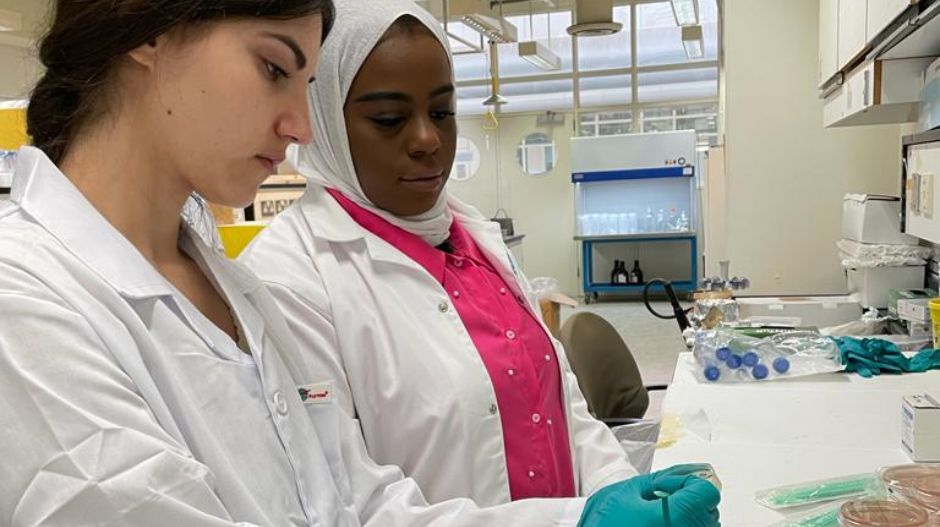
Cefas’ collaboration in the Middle East over the past 10 years saw the conclusion of the Climate, Health and Environment Resilience Programme (CHERP). Working closely with regional partners to address shared challenges around marine environmental management, climate change, and human health, our work has informed policy and management decisions in areas such as invasive species management in the United Arab Emirates (UAE), biodiversity monitoring in Bahrain, marine planning in Kuwait and regional climate adaptation via the Regional Organisation for the Protection of the Marine Environment (ROPME).
|
|
News from outside of Cefas
You may also wish to subscribe to the following bulletins:
|
|
|
|
|