|
This month’s edition captures the strength of Cefas’ partnerships, people and purpose - from international collaborations to celebrating emerging scientists and future talent.
Our Sustainable Blue Economies team continues to support countries vulnerable to climate change, through recent work in Dominica to strengthen resilience to climate risks. We also shine a spotlight on this year’s Early Career Researcher Paper of the Year, with congratulations to George Scott for his research on using advanced DNA sequencing to track norovirus in wastewater.
At home, we welcomed two brilliant sixth form students to our Lowestoft lab as part of a Civil Service work experience pilot programme - inspiring the next generation of marine scientists. Meanwhile, our Weymouth lab marked 30 years of scientific excellence, and colleagues presented at the FSBI Symposium in Belfast, focused on translating science into strategy for fish conservation.
We hope you enjoy this month’s edition - and please feel free to share with your networks.
Helen Egar - Head of Communications
|
|
|
Science Spotlight: Early Career Researcher Paper of the Year
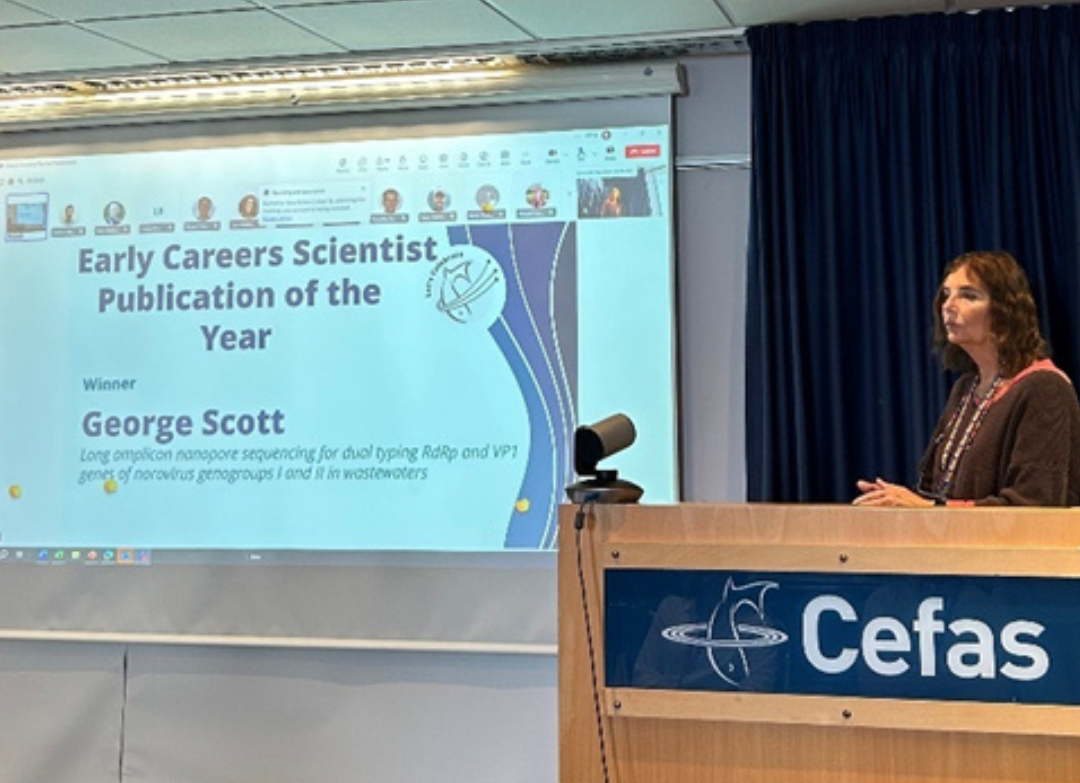 We’re proud to celebrate the winners of Cefas’ Early Career Researcher Paper of the Year, recognising outstanding scientific contributions from emerging researchers in marine and aquatic science.
Winner: George Scott
Long amplicon nanopore sequencing for dual typing RdRp and VP1 genes of norovirus genogroups I and II in wastewaters
George’s work demonstrates how long amplicon nanopore sequencing can improve understanding of norovirus diversity in wastewater, offering promising advances for public health monitoring.
|
|
Joint UK-Dominica project to tackle climate risks threatening fishing livelihoods
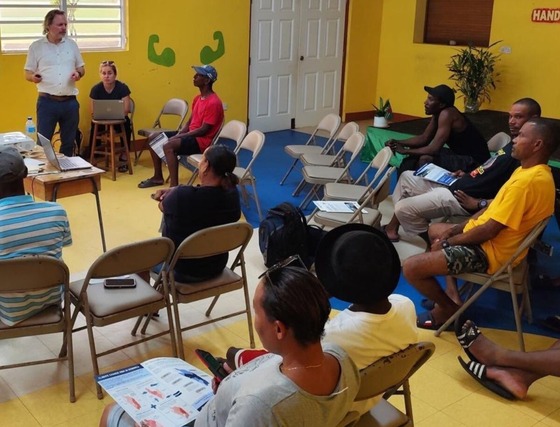 The Sustainable Blue Economies Technical Assistance Platform team have been working with partners in Dominica on a project to tackle climate risks threatening fishing livelihoods and communities.
We are partnering with the Dominica government's Fisheries Division of the Ministry of Agriculture, Fisheries Blue and Green Economy and the Caribbean Regional Fisheries Mechanism (CRFM) to explore practical climate change adaptation strategies with key stakeholders.
A series of community workshops across the island saw fishers sharing first hand their experiences of climate impacts and how they are already starting to adapt. A mini scientific conference also provided the opportunity to discuss climate vulnerability assessments and next steps.
The project is part of a UK International Development programme working with Small Island Developing States (SIDS) to co-develop equitable, climate-resilient sustainable blue economies.
|
|
Blue Belt Annual Review
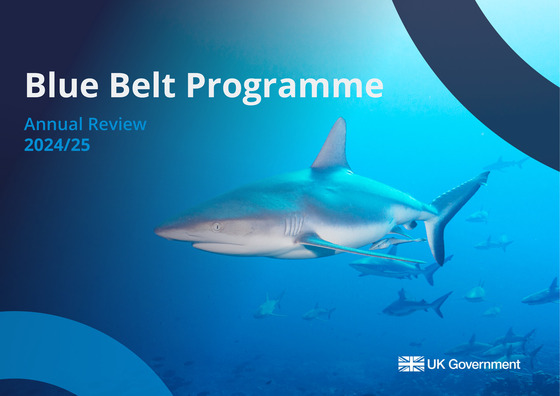 The Blue Belt Programme Annual Review is now published!
Working with 10 of the UK Overseas Territories, we are protecting and sustainably managing over 4 million square kilometres of marine environment. This makes Blue Belt Programme one of the largest networks of Marine Protected Areas of its kind.
From the installation of a ecophysiology laboratory in Ascension Island to implementing AI-powered vessel monitoring systems, the programme's impact is greatly diverse. Read our annual review to discover the entirety of our work over the past year.
|
|
Media Spotlight: Future Ocean 25
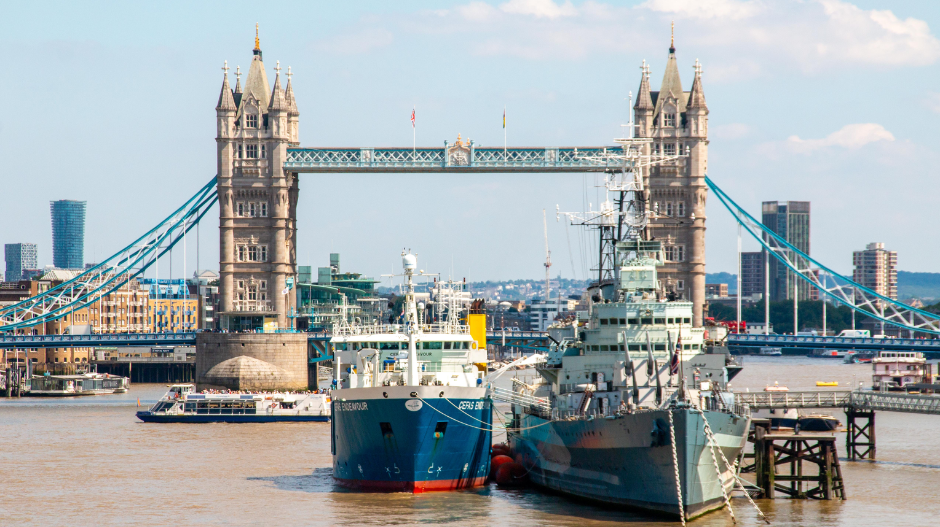 At the start of the month, Cefas hosted Future Ocean 25 alongside our partners IMarEST and Seafish, bringing together voices from government, science, industry and NGOs.
Coinciding with key international and UK environmental milestones and at the mid-point of the UN Decade of Ocean Science, the event aimed to broker sector-wide discussions on the best use of science and innovation to address key societal and environmental challenges in support of the Government’s missions and growth agenda.
Our blast edition bulletin provides insights from across the event:
|
|
Celebrating 30 Years of Science at Weymouth Laboratory
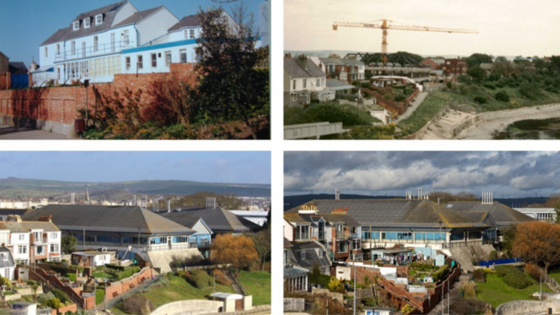 This month marked 30 years since the official opening of the current Weymouth laboratory building. On 12 July 1995, the Fish Diseases Laboratory was formally opened by the then Minister of Agriculture, Fisheries and Food, Douglas Hogg QC MP. While operations had begun earlier, the event brought together dignitaries, colleagues, and guests - no small feat in the pre-digital era.
To mark the anniversary, staff and former colleagues were reunited at the lab for presentations and refreshments. The event reflected on Weymouth’s rich history, from its early days in repurposed coastguard cottages to the purpose-built facility we know today. The team enjoyed a look back at archive images, 1990s music, and stories of change and continuity.
|
|
Event Spotlight: Lowestoft Work Experience
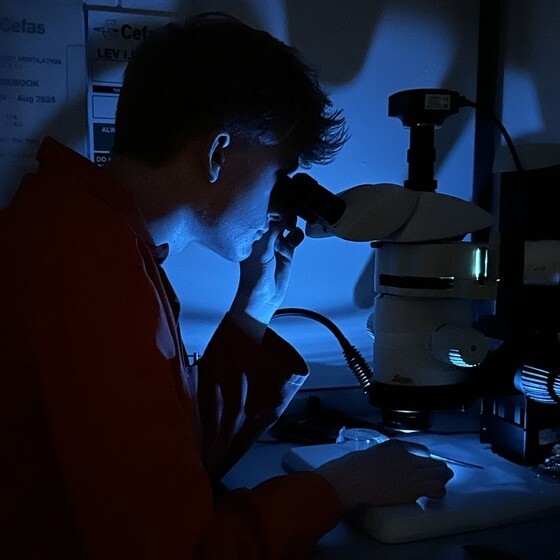 Earlier this month, Cefas had the privilege of welcoming two Year 12 students, Rose and Charlie, from Lowestoft Sixth Form, as part of the East Anglia Heads of Place Civil Service Work Experience Pilot.
This innovative programme provided these bright young minds with hands-on experience in marine and freshwater science whilst building their confidence and developing essential workplace skills. Their enthusiasm and fresh perspectives brought new energy to our laboratories and amplified their passion for marine science careers.
Discover how this transformative week unfolded and hear directly from the students and our colleagues in our special blast bulletin:
|
|
Annual Report and Accounts 2024/25
 Cefas has published its Annual Report and Accounts 2024–25, highlighting our scientific achievements, global partnerships, and impact across marine and freshwater environments over the past year.
The report showcases our role in supporting the UK government's priorities - from promoting innovation in the seafood sector and enabling the clean energy transition, to protecting aquatic animal health and responding to marine emergencies. It also features our international work through programmes such as the Ocean Country Partnership Programme and UK-Gulf Climate, Health and Environment Resilience Programme, and our support to global partners tackling pollution, disease, and illegal marine wildlife trade.
In his foreword, then CEO Neil Hornby emphasises how collaboration, science and shared expertise continue to drive Cefas’ success at home and overseas.
We’ll be sharing highlights from the report across our channels throughout the summer.
Read the full Annual Report and Accounts 2024–25 below:
|
|
People Spotlight
Each month we shine the spotlight on the work of a current member of Cefas staff.
"I have recently moved into the role of Senior Communications and Engagement Officer at Cefas, where I lead on national engagement and strategic communications to support our science, evidence and advice outcomes. My work spans everything from shaping impactful campaigns and convening events, to creating content that connects our science with communities, partners and policymakers. It’s a dynamic role that allows me to work with a wide range of people and across our science.
As the Communications and Engagement Lead for Future Ocean 25, it was a privilege to help shape this inspiring event. It showed that marine science is no longer just about data and discovery, it’s also about people, policy and the power of collaboration. From the buzz of the RV tours to the energy in the breakout rooms, the event highlighted the value of partnerships and the urgency of action. It was amazing to see so many people coming together to have such open and honest conversations, and knowing that I helped make that happen was a great feeling!"
Bek Trehern - Senior Communications and Engagement Officer
|
|
|
FSBI Symposium 2025 in Belfast
 The 2025 Annual Fisheries Society of the British Isles (FSBI) Symposium was held earlier this month at Queen’s University Belfast. Co-hosted with the Institute of Fisheries Management (IFM), the event explored the theme: “Turning Science into Strategy: Advancing Fish Conservation and Management.”
Over 40 talks spanned species and geographies, from elasmobranchs and salmon to cave-dwelling catfish, with presenters from the UK and across the world. Cefas scientists Kirsty Bradley, Jim Ellis, Sophy Phillips, and PhD student Maisie Evans contributed to the programme, with Kirsty also leading a workshop on graphical abstracts.
The event was a strong reminder of Cefas’ ongoing scientific impact, past and present.
|
|
|
|
|