|
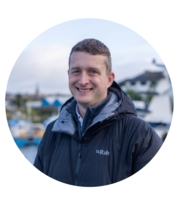
"As we move into the Summer months, the marine and environmental challenges we face continue to evolve, and so does the work being done across Cefas and with our partners to meet them. This month, we spotlight the issue of non-native species, with two insightful blogs exploring the risks they pose and the action being taken. Another article takes us to Jamaica, where collaboration on sustainable blue economies is making headlines.
In our person spotlight, we hear from Phil Davison, whose work on non-native species has helped shape our understanding and response. Meanwhile, our media spotlight highlights how marine heatwaves are becoming an increasing concern for ecosystems and coastal communities alike. Finally, the Careers and Skills Festival at Kingston Maurward College reminds us of the importance of inspiring the next generation."
Enjoy this edition, and please share your thoughts — and the newsletter — on social media.
Neil Hornby - Cefas CEO
|
|
|
Science Spotlight
Where Do Fishers Go? New Study Sheds Light on the Science Behind Fishing Choices
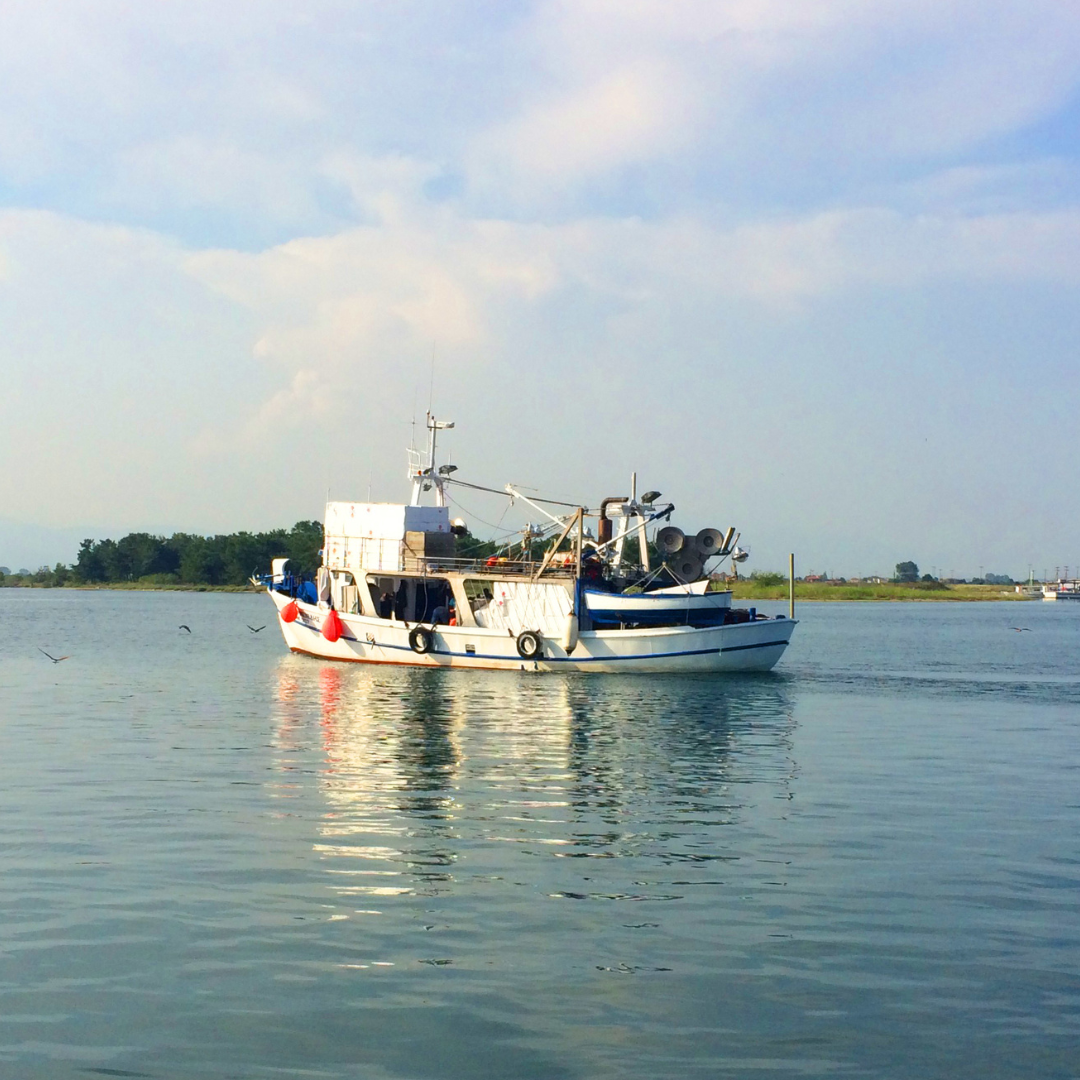 A new study published in Fish and Fisheries explores how different models predict where fishers choose to fish, a key factor in managing sustainable fisheries. The research compared six models, from data-driven statistical tools to theory-based mechanistic models, to see which best forecasts fishing patterns.
The main takeaway? No single model is perfect. The authors recommend combining approaches to better anticipate how fishers respond to policy changes, helping to design smarter, more effective fisheries management.
This research could play a vital role in protecting fish stocks and supporting coastal communities in a changing world.
|
|
UK and UNEP partner with Jamaica to tackle marine pollution
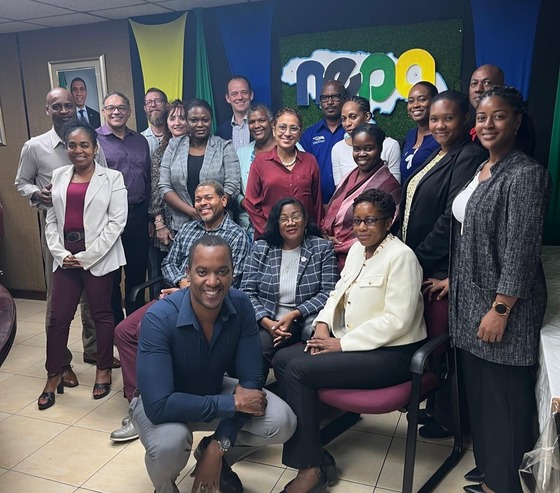 To help protect Jamaica’s coastal communities, the UK Government and the United Nations Environment Programme (UNEP) have partnered with Jamaica’s National Environment and Planning Agency (NEPA) on a marine pollution project aimed at boosting Jamaica’s blue economy and safeguarding thousands of livelihoods.
Launched under the UK’s Sustainable Blue Economies Technical Assistance Platform, the "Enhancing Water Quality for Sustainable Blue Economy Development" initiative will mobilise UK scientific expertise and regional knowledge to enhance water quality and unlock sustainable growth in Jamaica’s blue economy.
|
|
Media Spotlight
Cefas Monitors Marine Heatwave in UK Waters
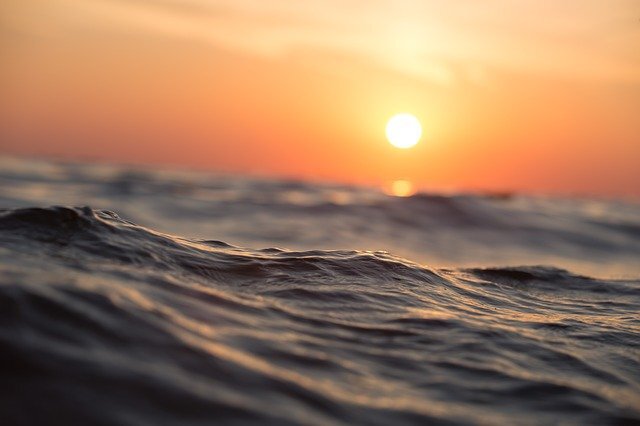 Cefas scientist John Pinnegar was quoted in a BBC News article on the unfolding marine heatwave around the UK. Data from Cefas’ WaveNet platform indicates that sea temperatures recorded at several coastal locations across the UK in May were between 1.2 -2.9 °C higher than average for this time of year, with temperatures in Tyne/Tees up to 4.6 degrees higher.
Further coverage of Wavenet was featured in the Dail Mail, Daily Express, Met Office blog, Geographical, and Cefas scientist Adam Lewis featured on BBC Radio Solent talking about the potential for algal blooms.
Alongside our partners National Oceanography Centre and Met Office, we will continue to monitor developments closely to understand any potential impacts on wildlife and fisheries.
|
|
The importance of reporting marine non-native species – what can you do?
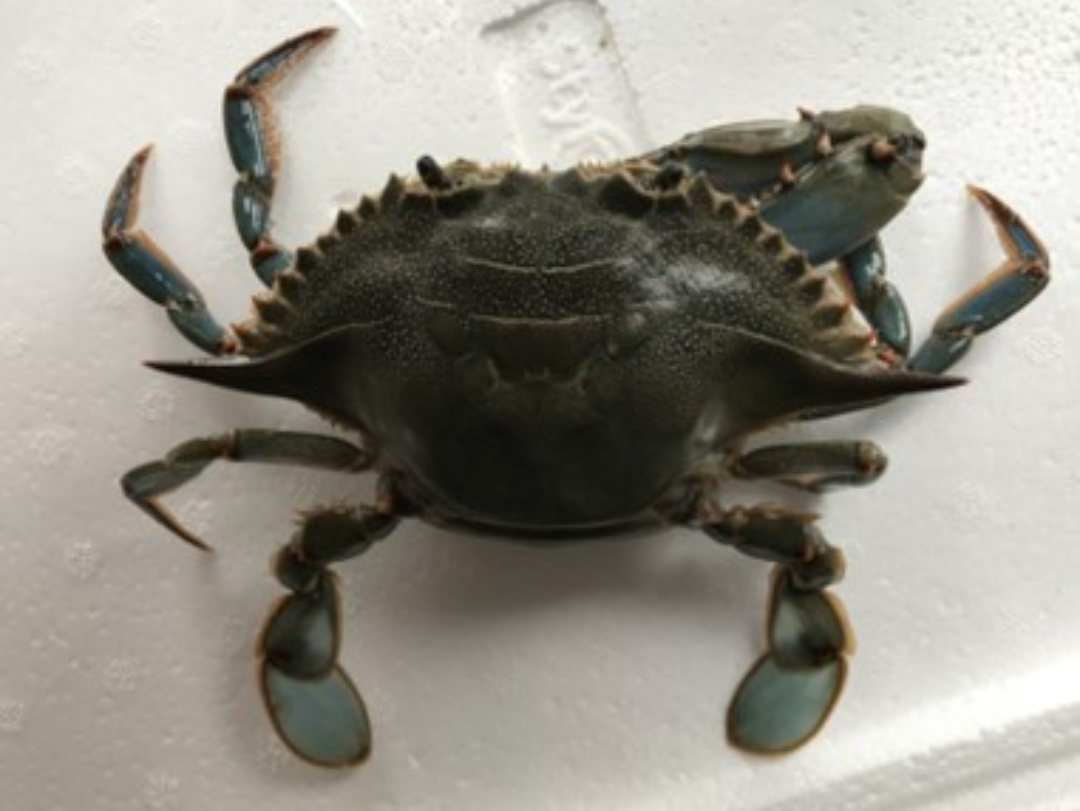 As part of the GB Non-Native Species Secretariat’s Invasive Species Week, we highlighted the impacts invasive non-native species can have on our ecosystems and society.
Whilst prevention remains the most effective defence, accidental introductions can still happen. In such cases, early detection and rapid response is crucial for preventing these species from establishing in the environment. A key way that we can all help tackle invasive non-native species is to report anything unexpected that we find. In the marine environment the public can help monitor places along our vast coastline that are rarely visited by marine biologists.
Read more in our recent blog sharing two events from 2024 that showed the valuable role that public reports can have in ensuring a rapid response to non-native species, and showed how we respond to these important sightings.
|
|
Integrated marine monitoring to protect the Irish Sea
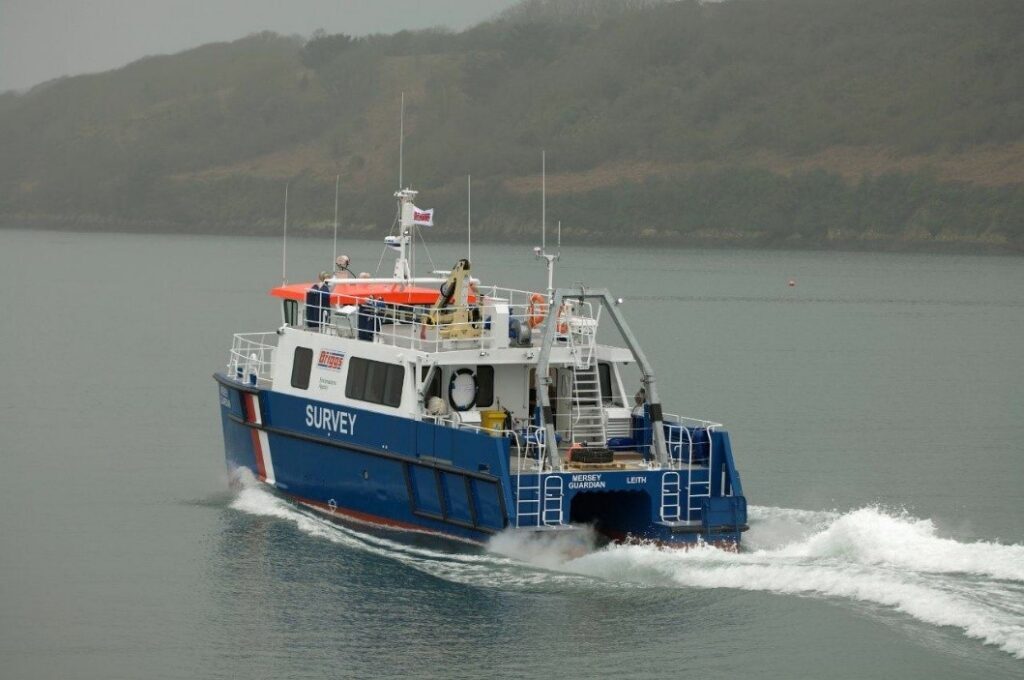 The Irish Sea is important for biodiversity, industry shipping and offshore wind generation, and its many estuaries and coastal waters provide crucial benefits for the environment and local communities. However pollution, climate change and human activities are an increasing threat.
In this new Marine Science blog, Cefas, the Environment Agency, Agri-Food and Biosciences Institute, Cyfoeth Naturiol Cymru / Natural Resources Wales, and The Marine Biological Association discuss how collaboration and improved coordination have been key to successful monitoring in the Liverpool Bay area. The data collected is providing vital information to support the UK government’s Marine Strategy which aims to protect the UK’s marine environment.
|
|
Event Spotlight
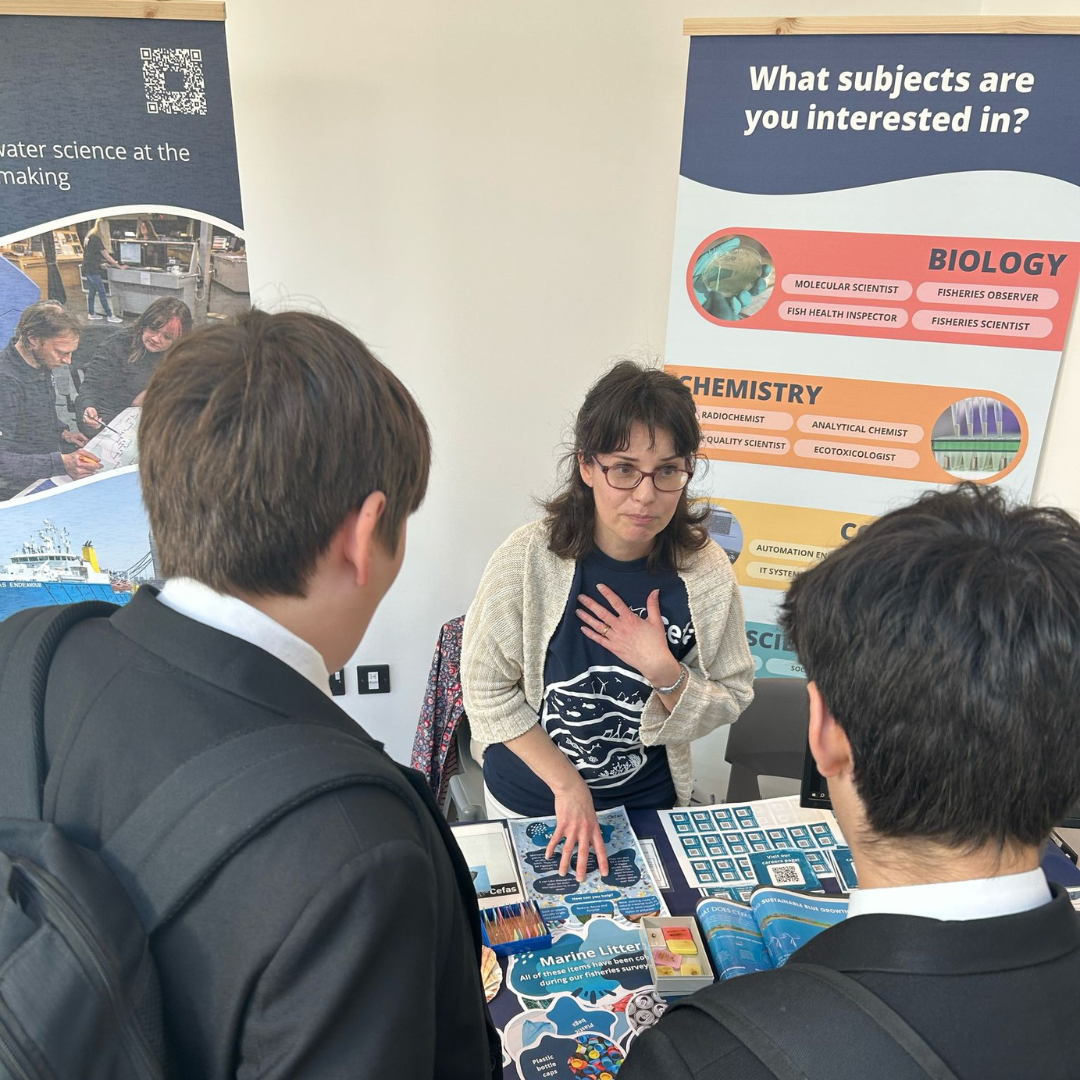 Cefas colleagues engaged with over 800 students at the recent Careers and Skills Festival in Dorchester. The team showcased our fantastic new careers resources, designed to highlight opportunities in aquatic science, sparking enthusiastic conversations with pupils from schools across the region. Students were also invited to try their hand at preparing mock samples for fish disease testing. It was a fantastic opportunity to connect with so many young people interested in marine and freshwater science and share the diverse career paths available in our field.
The event helped raise awareness of Cefas' work and showcased a range of careers within aquatic science. This successful outreach demonstrates Cefas' commitment to nurturing the next generation of marine scientists who will help tackle crucial environmental challenges.
Find out more in our careers webpage.
|
|
Marbled crayfish: a serious non-native threat
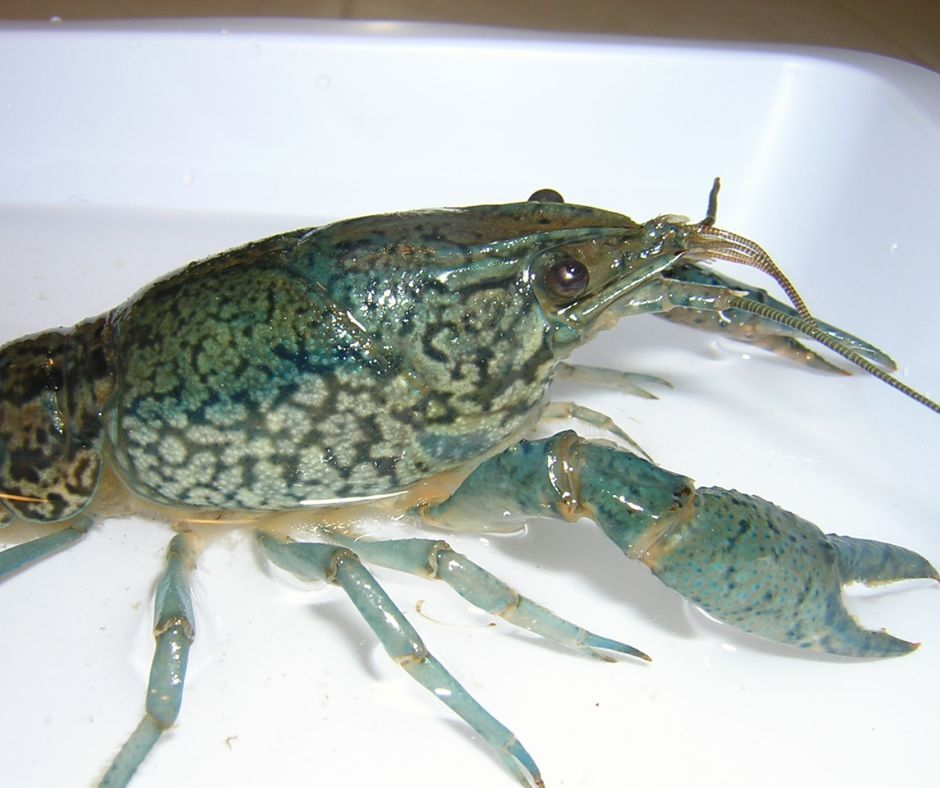 As part of Cefas’ Invasive Species Week, our Fish Health Inspectorate (FHI) highlighted the threats marbled crayfish pose to our ecosystems and economy, as they carry crayfish plaque which is a threat to our native crayfish.
In Great Britain, marbled crayfish have been found in the English aquarium retail trade and advertised for sale online. These crayfish likely originate from hobbyists who are passing on excess home-bred stock to pet or aquatic retail shops. Consequently, there is a potential risk of introduction into natural habitats if these species are intentionally or unintentionally released from aquariums into the wild.
This blog explains how the FHI are working with hobbyists, online retailers and the industry to tackle this potential threat.
|
|
People Spotlight

Each month, we shine the spotlight on the work of a current member of Cefas staff.
"My role at Cefas is to provide advice on monitoring and managing aquatic non-native species. This role links well to my research work, which focuses on developing monitoring methods for freshwater and marine organisms. This often involves molecular approaches like environmental DNA surveying, which we have used to detect a range of species, from migratory fish in rivers to invasive sea squirts in harbours.
Aquatic non-native animals and plants are a potential threat to our native wildlife and to the economy. At Cefas, we do a lot of work to address this threat. This includes conducting risk assessments on new invaders, researching the pathways by which they can arrive in this country or be spread around it, developing monitoring methods, and responding to sightings by the public."
Phil Davison - Senior Climate Scientist
|
|
|
|
|
|