| |

Happy New Year to all our subscribers and welcome to Cefas Monthly News, 2025.
Last year, we shared updates from across our organisation including events, latest science, podcasts and blogs. Looking ahead to 2025, we have some exciting events and science impacts that we look forward to sharing with you.
January’s highlights include a new Marine Natural Capital and Ecosystem Assessment blog; news about a recent visit from Lloyd Hatton MP to our Weymouth laboratory; Ocean Country Partnership Programme blogs about shark conservation in Sri Lanka and marine litter in the Maldives, as well as sharing a scientific paper on the application of Global Burden of Animal Diseases methodology to aquatic animal production. We also share Cefas science supporting animal welfare with the filming of sticklebacks in a Disney+ documentary, a Real Bug's Life 2.
Make sure to share this edition and tell us what you think on social media.
Grant Stentiford - Cefas Chief Scientist
|
|
|
Science Spotlight
Methods developed to improve the assessment of the economic impact of animal disease

Read the new paper led by Cefas scientist Ed Peeler on research to apply animal disease impact assessment methods on rainbow trout farming in England and Wales. Methods have been developed to improve the assessment of the economic impact of animal disease (the Global Burden of Animal Diseases – GBADs – programme) but to date they have not been applied to fish production as often. We applied the methods to rainbow trout farming in England and Wales and found that they worked well. Using routine collected farm production data we were able to determine the economic burden of disease by comparing current production levels, health care costs and levels of disease and mortality to production under ideal conditions (without disease). It will be more demanding to apply the methods to other more complex production systems, particularly those with farming multiple species and where data are scarce (e.g. small scale farming in the tropics). The next step is to attribute the estimated losses to specific diseases which will help farmers and governments make decisions about investment in aquatic animal health programmes, such as vaccination and biosecurity measures.
|
|
Seascapes project: new reports on marine natural capital now available

Six new reports from year 1 of the Seascapes project are now available online. The Seascapes project, part of the Defra funded Marine Natural Capital and Ecosystem Assessment (mNCEA) programme, aims to help policymakers understand the different uses and values of marine natural capital for people and society. It also aims to provide a more holistic understanding of the benefits and complex trade-offs involved in managing our marine environment, with the aim of supporting the sustainable use of coastal and marine environments. The new reports focus on: Marine Natural Capital Logic Chains; quantifying links between humans and marine natural capital assets; marine ecosystem services trade-offs; a case study on saltmarsh restoration; a marine natural capital and ecosystem services assessment products review and marine data flows.
|
|
Shark plan: conserving Sri Lankan sharks, rays and chimaeras
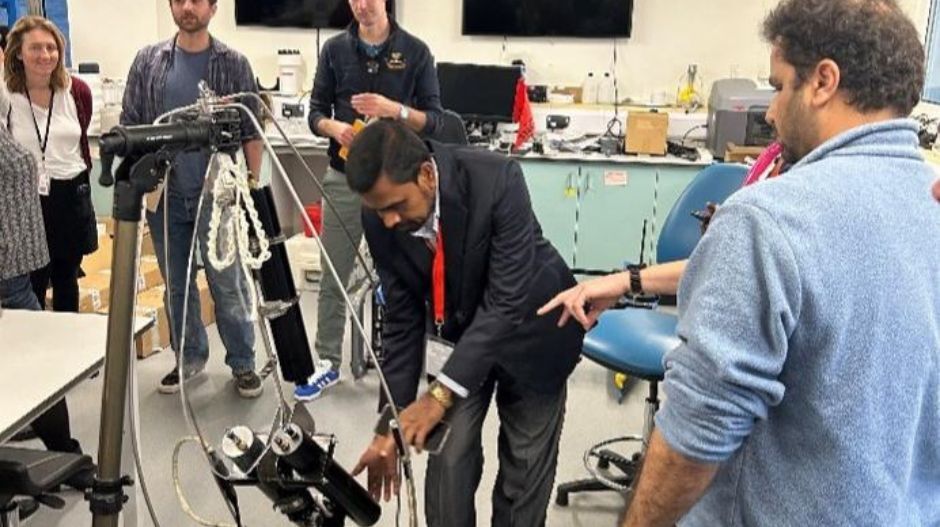
In mid-November 2024, Cefas advanced its collaboration with Sri Lanka on the conservation of sharks, rays, and chimaeras through the Official Development Assistance (ODA) funded Ocean Country Partnership Programme (OCPP). This initiative included a visit to the UK by the Director General and Director of Quality Control from Sri Lanka's Department of Fisheries and Aquatic Resources (DFAR), along with two Directors from Blue Resources Trust (BRT), a Sri Lankan marine conservation non-profit. The visit focused on developing an updated National Plan of Action (NPOA) for Sharks and Rays and facilitated knowledge exchange on current management and data collection practices, involving stakeholders from the UK's Department for Environment, Food and Rural Affairs (Defra), the Marine Management Organisation (MMO), the Save Our Seas Foundation, and The Shark Trust.
|
|
Media Spotlight - South Dorset MP visits Cefas laboratory
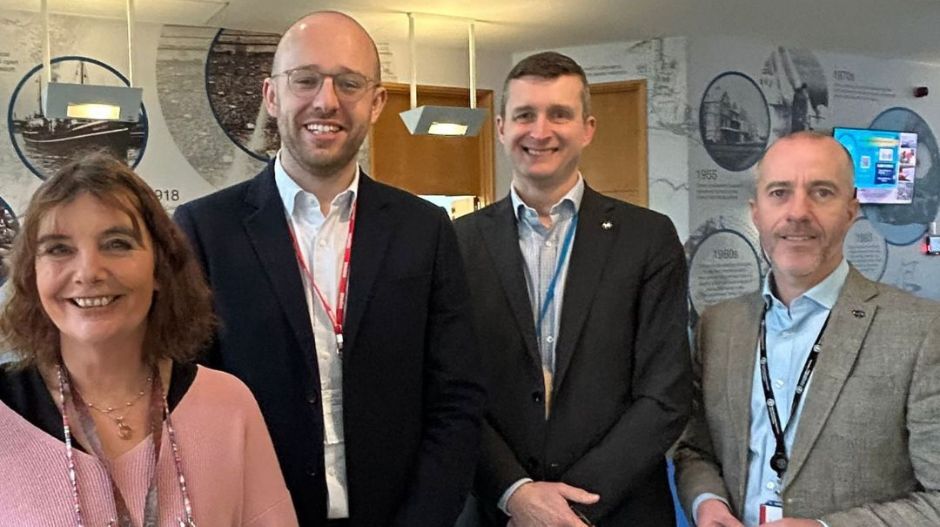
South Dorset MP, Lloyd Hatton, visited Cefas' laboratory in Weymouth recently, hearing how Cefas' work supports both UK government and international commitments to the important issues of food safety, sustainable aquaculture, fish health and antimicrobial resistance. Mr Hatton had the opportunity to see first-hand the advanced research capabilities that make Cefas a world-renowned centre of excellence in aquatic science. The MP also heard about how the Fish Health Inspectorate, based at the lab, helps to maintain the high aquatic animal health status in England and Wales, working closely with fish farmers to support healthy and productive fish farms.
|
|
Scientists attend the Fifth Maldives Marine Science Symposium

In July 2024, the Ocean Country Partnership Programme (OCPP) team from Cefas and Joint Nature Conservation Committee (JNCC) visited the Maldives to attend the Fifth Maldives Marine Science Symposium and collaborate with local partners. The symposium, inaugurated by Minister of Fisheries and Ocean Resources Mr. Ahmed Shiyam, featured presentations on protected area management and ocean plastic pollution, both supported by OCPP initiatives. The visit also included stakeholder meetings to enhance water quality monitoring and emergency response capabilities in the region.
|
|
Join an expedition to the Pitcairn Islands
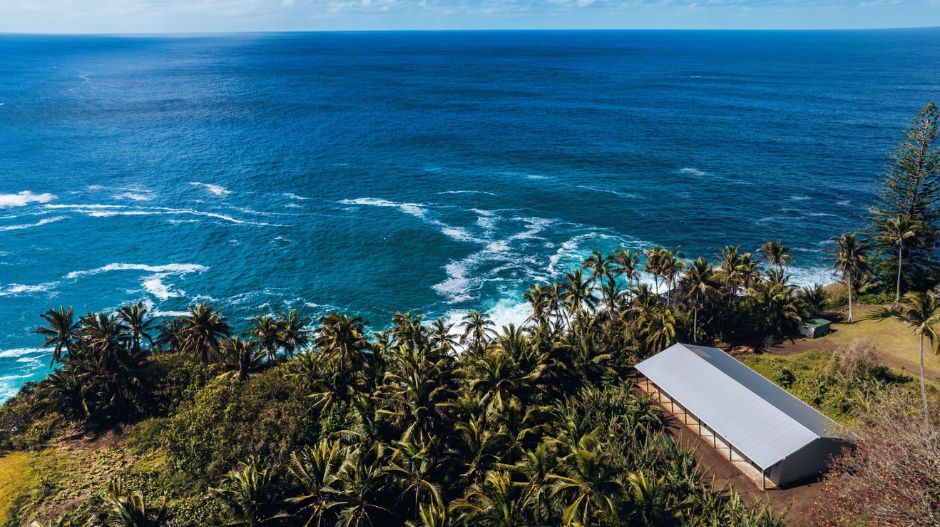
Cefas scientists, through the UK Government’s Blue Belt Programme, have been working with the Pitcairn Islands since 2016, to help understand and protect its unique marine environment.
Join an expedition to the Pitcairn Islands and conduct your research in some of the most pristine waters in the world!
There are three berths on the MV Silver Supporter during its journey in September 2025 for universities in the UK and New Zealand. The Government of the Pitcairn Islands also have three research grants of £10,000 each available to support travel costs and the analysis of the data collected during the expedition.
For more details, click the link below. Applications close on the 28th February 2025.
Please note this opportunity is not part of the Blue Belt Programme.
|
|
People Spotlight
Each month we shine the spotlight on the work of a Cefas colleague. This month we hear from Clement Garcia, a senior marine ecologist who specialises in investigating the link between ecological communities and ecosystem functions and services.
"My research examines the seabed’s functional role and its influence on the global marine ecosystem over time and in space, under various natural and man-made impacts.
"Since 2022, I’ve been the Cefas co-lead for the Defra marine Natural Capital and Ecosystem Assessment (mNCEA), a three-year innovative, research and development programme required to support implementation of the Natural Capital (NC) approach. Natural Capital approaches promote the integration of diverse views or values in decision-making to reflect the multiple relationships that exist between human societies and nature. Collaborating with Cefas natural, economic and social scientists, my work within the mNCEA has focused on environmental sustainability and innovation in environmental monitoring and assessment."
Clement Garcia- Senior Marine Ecologist
|
|
|
|
|
|