| |
July was the month of big changes in the UK.
As the government’s marine and freshwater science experts, we play a crucial role in keeping our rivers, seas and oceans healthy and productive. We are looking forward to meeting new ministers and understanding the new government’s priorities within the aquatic environment and the changes this may have on the science we do.
In July’s edition of #CefasMonthlyNews, we share a range of stories from across our organisation, including a new paper researching cuttlefish in the English Channel, new episodes of #UnchattedWaters and a recent report on sea angling in the UK.
I hope you enjoy our latest edition. Why not share this edition and tell us what you think on social media using #CefasMonthlyNews?
Neil Hornby - Cefas CEO
|
|
|
Science Spotlight
The climate-induced changes in the life history of the common cuttlefish in the English Channel
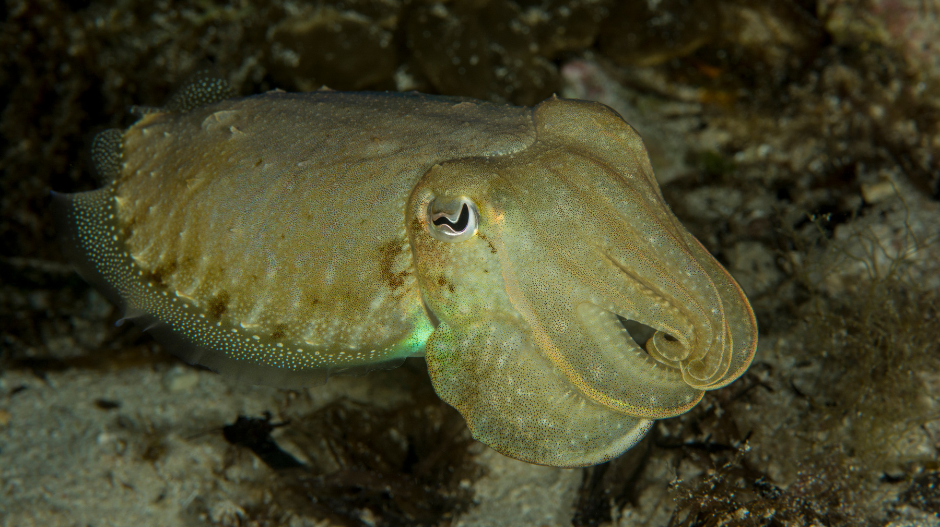
Throughout its range, the common cuttlefish exhibits either an annual spawning cycle (spawning and dying at 1 year old) or a biennial cycle (spawning and dying at 2 years old). Both groups differ in the size of adult animals and the number of chambers in their cuttlebones. The biennial spawners are larger and more fecund, with a distinctive mark on their cuttlebones formed during the second winter of life.
Previous studies indicated that the English Channel was the only area where no annual spawning cycle was observed before, with all individuals there following a biennial spawning cycle until some annual animals were recorded in 2010-2011. However, a recent study by Cefas published in Marine Ecology has demonstrated that annual spawners now represent about 15-20% of the Channel population: similar to the situation in warmer, more southern waters.
The maturity pattern of cuttlefish is driven by a combination of three factors: duration of the daylight, temperature and animal weight, none of which is a single “decision-maker”. With UK waters warming, cuttlefish have begun to grow faster, resulting in some individuals reaching the maturation size earlier during the next spawning season. Because of this, the number of these early spawners increases from the beginning to the end of the reproductive period.
Our research suggests that the English Channel population now mirrors the life cycle patterns observed in the Bay of Biscay a few decades ago, and that changes in cuttlefish ecology may be a consequence of changing ecosystems with adjustment of maturation patterns to match new temperature regimes.
|
|
New marine science blog
Fish on Film: the challenges of using AI to improve sustainable fisheries management
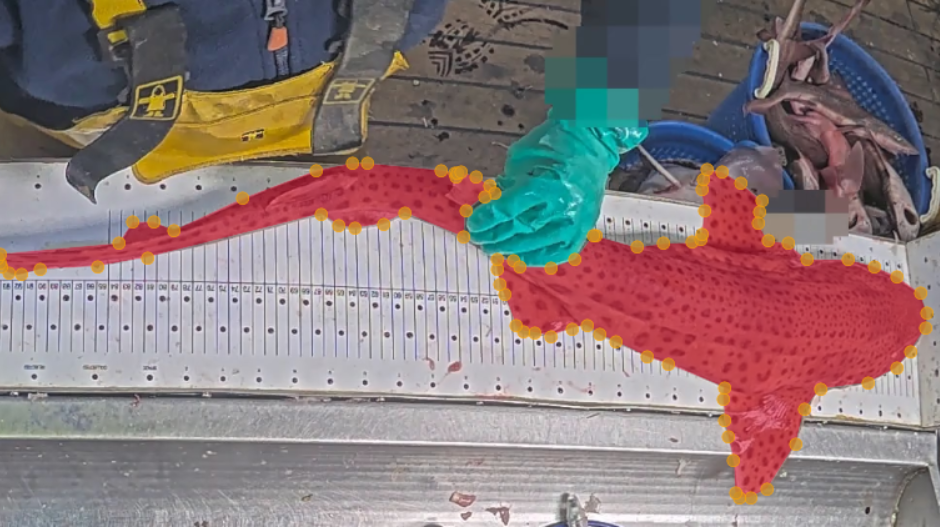
In our latest marine science blog, hear from Senior Fisheries Scientist, Rebecca Skirrow, who offers an insightful exploration of Remote Electronic Monitoring (REM). As a new data gathering tool, REM can be installed on vessels to capture fishing activities and catches. Rebecca guides us through the progress of setting up REM on our research vessel, the Cefas Endeavour thanks to a collaborative project with The Alan Turing Institute.
Following the first journey of the RV with the REM system onboard, the team is now working on annotating images collected. These images will help to train the algorithms to identify and measure different species of fish.
|
|
New report on angling trends
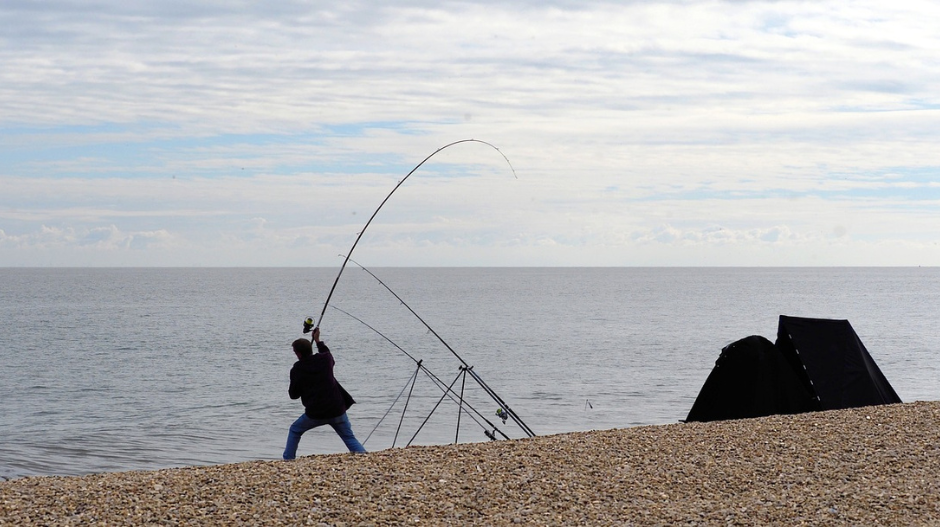
A new report from Cefas and Substance has provided data on the trends and impacts of UK sea angling from 2016 to 2021, including the effects of COVID-19.
This ongoing study is a successful example of a large scale citizen science project in action, with over 5,000 volunteers and 48,000 fishing sessions recorded.
The report is a valuable tool for sustainable fisheries management, helping to inform policy decisions by ensuring the economic and recreational value of sea angling is taken into account.
|
|
Media Spotlight
Cefas Science on Channel 4 Body Detectives.
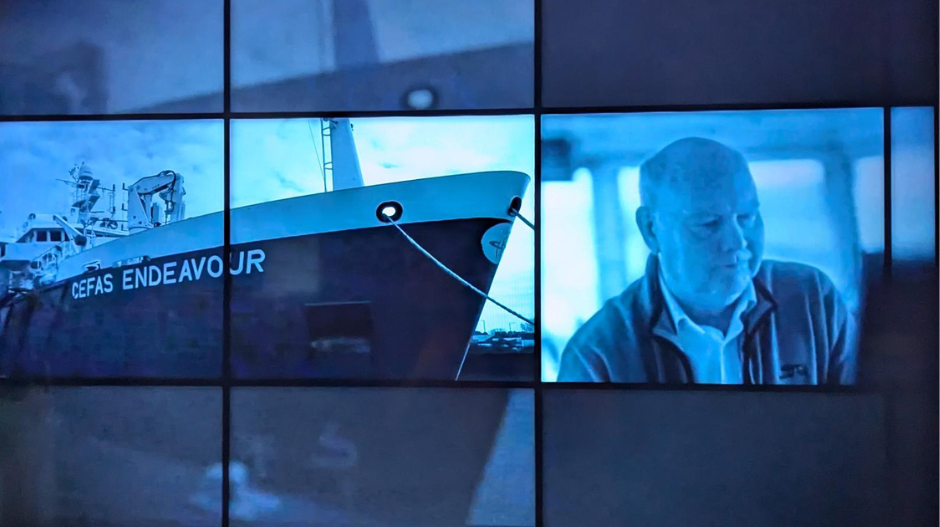
This month, Cefas scientist, Jon Rees appeared on Channel 4's 'Body Detectives'.
Using his forensic oceanography expertise, Jon helps to predict the potential stranding locations of bodies entering the marine environment, saving the police considerable time and resources and helping to get closure for the grieving family. In the episode, Jon explains the steps he takes and how data from our Research Vessel, Cefas Endeavour, contributes to developing these computer models.
|
|
#UnchattedWaters - The soundscape below the waves
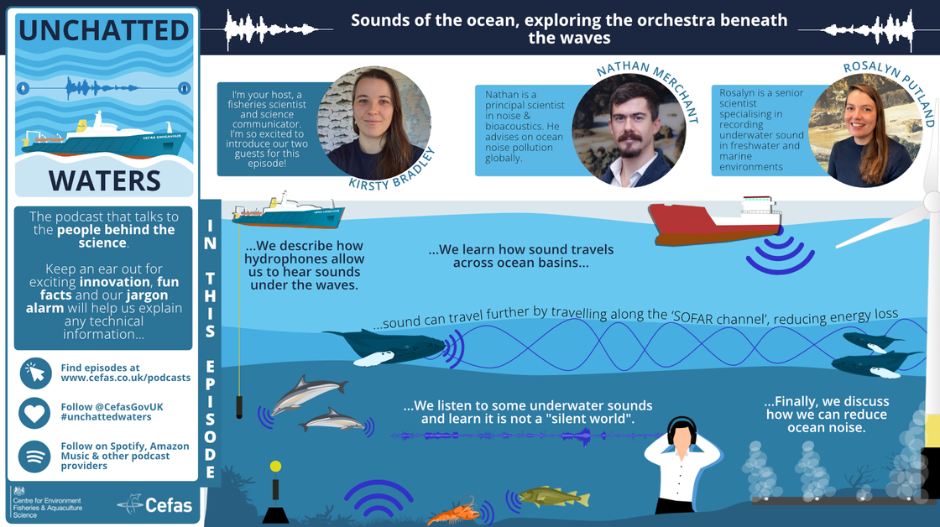
As part of National Marine Week, we highlighted our #UnchattedWaters Ocean Sounds podcast, in which we dip our ears into the ocean and listen to the amazing soundscape beneath the waves.
We discuss what we can hear underwater, from earth, animals and humans. We describe how hydrophones help us to hear underwater; how the Sound Fixing and Ranging Channel (SOFAR) helps sound to travel vast distances underwater, and we listen to some underwater sounds and find out how we can reduce ocean noise.
Listen to this and all the episodes by clicking the link below or on your usual podcast provider.
|
|
A new industrialisation of the marine environment
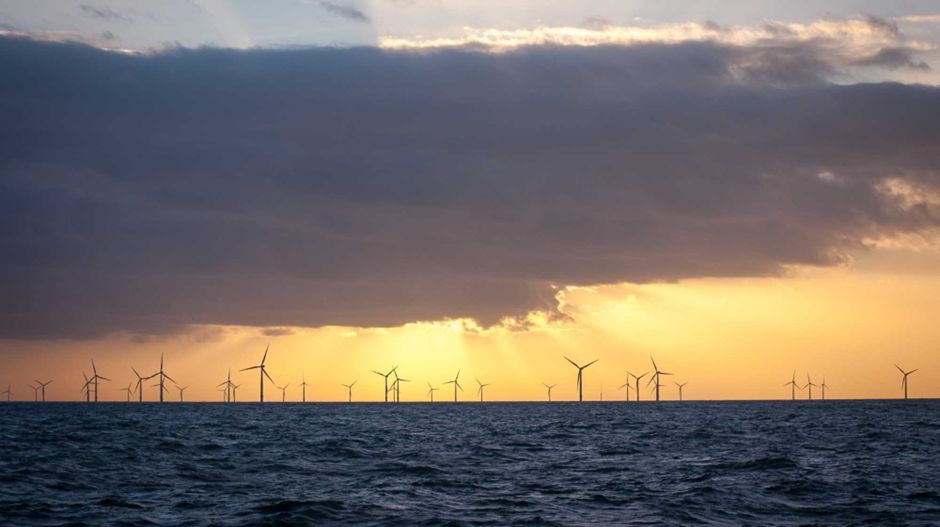
The offshore and marine renewable energy (OMRE) sector is rapidly expanding, sharing marine space with various other uses, including fisheries. While fixed offshore wind remains dominant, OMRE incorporates diverse renewable energy sources like floating wind, tidal stream, wave power, floating solar, and ocean thermal. These developments will likely affect local species, habitats and ecosystems.
The UK has led in deploying renewable energy devices, but understanding their impact remains a global challenge. Cefas supports climate-adaptive OMRE expansion through cutting-edge research. Our projects provide evidence for sustainable development while contributing to coastal and marine health. Explore case studies like POSEIDON and FISMaDiM on our Cefas OMRE webpage. Additionally, our scientists lead international efforts, shaping regional seas through ecosystem-based approaches outlined in the ICES roadmap
|
|
Event Spotlight
Cliff Park marine plastics morning
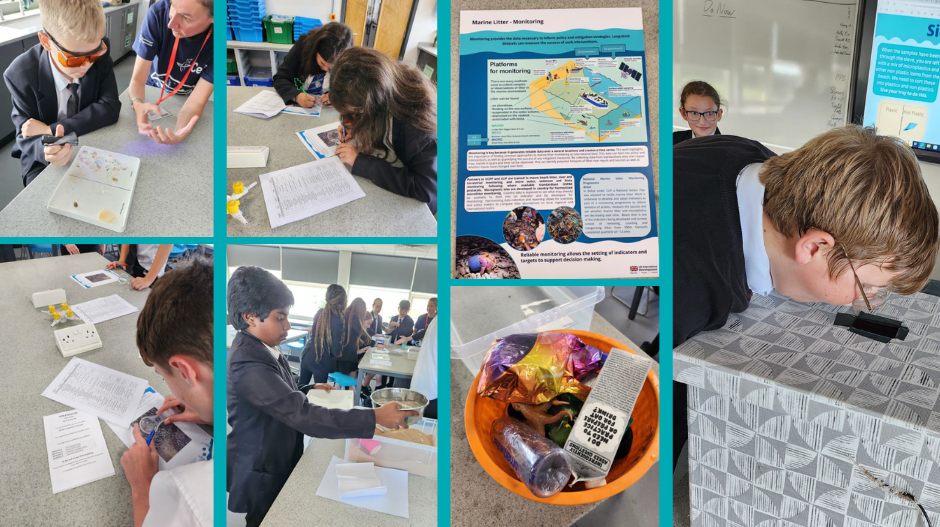
In July, the Year 8 students at Cliff Park Academy took part in a series of marine litter workshops delivered by Cefas staff at the school in Gorleston. During the sessions, the students learned about how we monitor marine litter and why this is important for the future sustainability of the marine environment.
The student's reasoning and problem-solving skills were put through their paces as they:
- Debated the pros and cons of using AI to monitor litter
- Considered the implications of properties of litter items on the environment
- Held mock stakeholder discussions and made marine management decisions
The feedback from the school and staff was very positive with the majority of students learning something new about Cefas and marine litter. Events such as these are part of our continued goal of inspiring the next generation of aquatic scientists.
|
|
Restoring Meadows Marshes and Reef (ReMeMaRe) Conference 2024 – Scarborough Spa
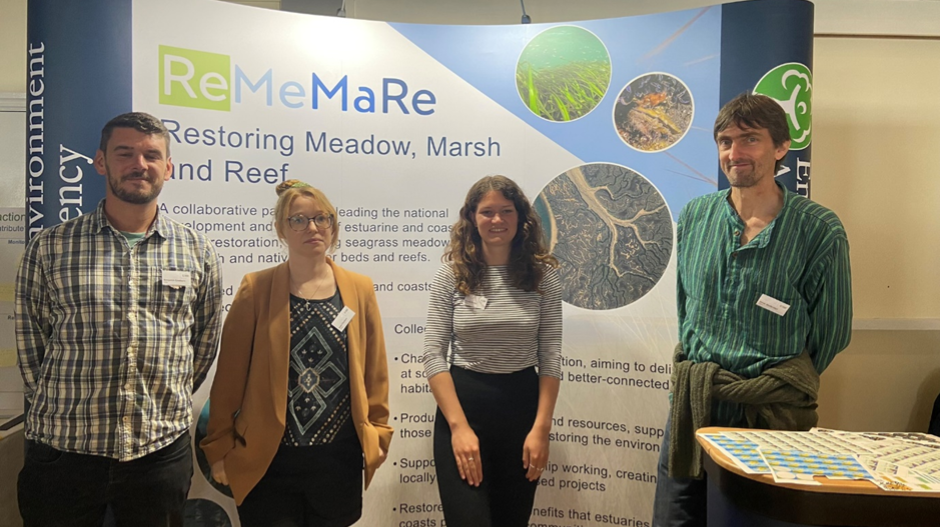
This month, colleagues from Cefas attended the Restoring Meadows Marshes and Reef (ReMeMaRe) conference in historic Scarborough Spa.
ReMeMaRe is an ambitious habitat restoration initiative that aims to address and reverse centuries of decline of three of our priority estuarine and coastal habitats; seagrass meadows, saltmarshes and European native oyster reefs. Although Cefas is not actively involved with any coastal restoration projects, it is a new and rapidly growing area the needs to be guided by robust science.
The event took place over 2 days, bringing together over 300 stakeholders involved with the restoration of these priority habitats. Spanning five sessions, featuring more than 50 posters, and even including a resident artist to illustrate the proceedings, the event provided a welcoming space for knowledge exchange, networking and discussion on the latest developments in coastal restoration science, practice and policy.
|
|
Enhancing marine conservation efforts through the Ocean Country Partnership Programme (OCPP)
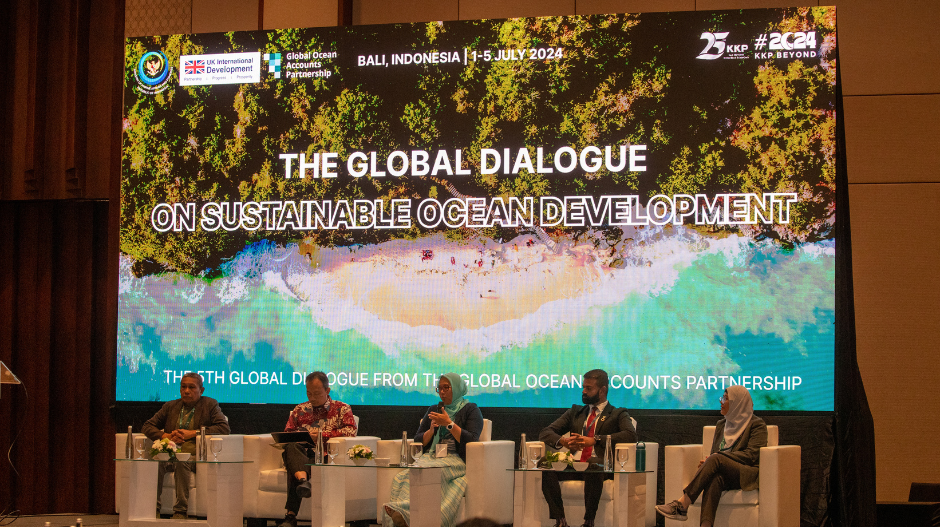
This month, the OCPP team visited Ghana and Sri Lanka to enhance marine conservation efforts.
In Ghana, colleagues met with the University of Cape Coast, visited Dans Ma Aqua's shrimp farm for disease diagnostics training, supported women's oyster picking associations, engaged with chief fishermen, and conducted aquatic vet and first aid workshops. In Sri Lanka, scientists held workshops on climate change risk and abandoned fishing gear, delivered a keynote on microplastics at the University of Peradeniya, and handed over a climate change book to local education ministries. These initiatives strengthen our global partnerships for sustainable marine resource management.
The Global Dialogue event in Bali, sponsored by the UK government's Blue Planet Fund, brought together decision makers and experts from 60 nations and progressed the use of 'ocean accounts' for sustainable ocean planning and decision making. Ocean accounts are standardised, integrated records of data on ocean conditions, activities, and governance, essential for formulating policies and plans. The use of ocean accounts for sustainable ocean finance, marine spatial planning, policy and sustainable ocean economies were strong themes at the event. These themes are directly relevant to the Blue Planet Fund and OCPP objectives.
|
|
People Spotlight
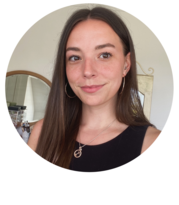
Each month we shine the spotlight on the work of a member of Cefas staff. This month we meet Angharad Elliman.
"Hello, I’m Angharad, the new Communications Lead for The Ocean Country Partnership Programme (OCPP). My role is to develop and implement communication strategies, create content, manage media relations, and engage key stakeholders. Over the next few months, I will be aiming to enhance OCPP’s digital presence and evaluate communication effectiveness. My role is crucial in helping to promote OCPP’s mission of sustainable marine practices and engaging diverse audiences.
OCPP promotes sustainable marine practices globally. Our key themes are marine litter, sustainable seafood and marine biodiversity. We collaborate with coastal communities and stakeholders to enhance marine conservation, support sustainable fisheries, and provide education and training. Through international partnerships, OCPP aims to protect marine ecosystems and improve livelihoods that are dependent on ocean resources. "
Angharad Elliman - OCPP Communications Lead
|
|
|
|
|
|