|
This week we have been highlighting Invasive Species Week 2024. This annual campaign aims to raise awareness to help prevent the spread and reduce the harmful impacts of invasive non-native plants and animals. At Cefas, we have many expert scientists working each day to understand and tackle the significant threat that invasive species pose to global biodiversity.
In this month’s newsletter we highlight some of our work in this field, including a new publication in our Science Spotlight. Plus, more science, events and opportunities from across our organisation.
I hope you enjoy the latest edition of #CefasMonthlyNews. Feel free to share this edition and to tell us what you think on social media - @CefasGovUK.
Professor Grant Stentiford - Cefas Chief Scientist
|
|
|
Science Spotlight
First record of non-native Yoldia limatula in the United Kingdom: evidence of a newly established population
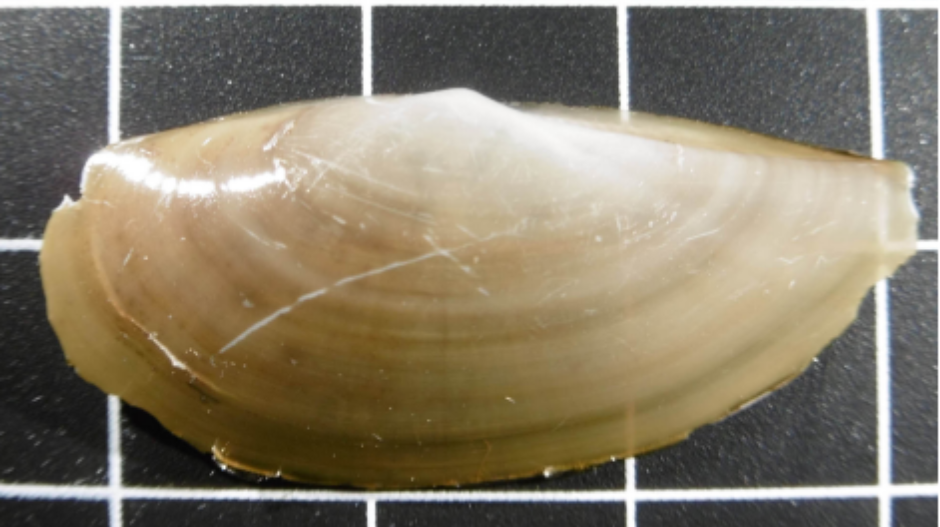 A recent Cefas study published in the journal BioInvasions Records reported the first UK record of the American bivalve Yoldia limatula in the Tees Estuary, in the Northeast of England.
This mollusc is native to North America, where studies have shown it can considerably disturb and alter the soft sediments it lives in. Alongside colleagues from Fugro GB Marine Ltd. who were sampling the Tees estuary as part of port regeneration work, Cefas taxonomists identified a large population 257 (individuals) of these American ‘file clams’. Individuals were found in 19 of the 20 samples taken within the sediments of the estuary during a survey in 2020. Since 2019, the bivalve has been recorded at various locations around Northwest Europe, primarily in ports, but only on the continent. This discovery marks the first confirmed record of their presence in UK waters.
With the number of non-native marine species increasing worldwide as the world becomes ever more connected and stowaways moving between busy ports increases, non-native species pose a serious threat to global biodiversity. Cefas conducts vital work alongside colleagues from industry to monitor for non-natives, allowing us to develop and refine our conservation and management policies.
|
|
Invasive Species Week
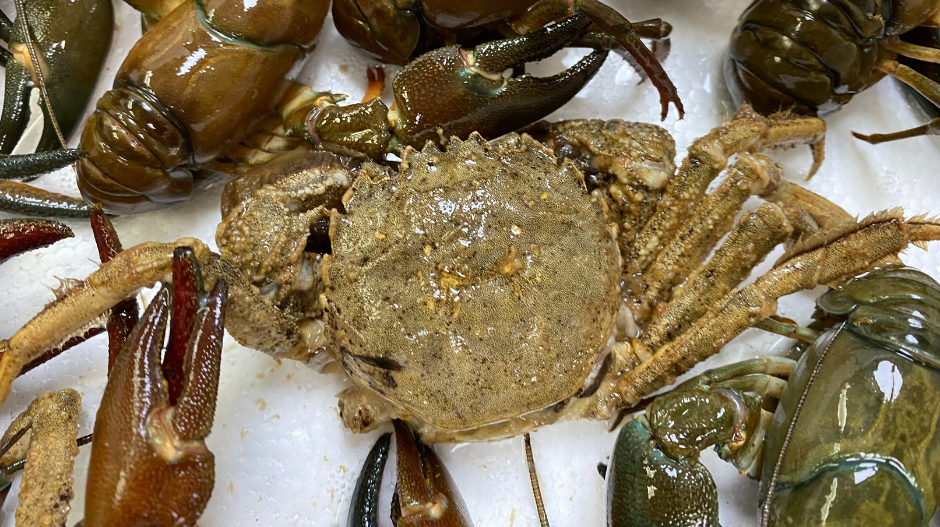 Invasive plants and animals are one of the biggest threats to global biodiversity but with coordinated efforts, their impact can be reduced.
Invasive Species Week is an annual campaign run by the GB Non-Native Species Secretariat. To highlight the week, we showcased how Cefas supports the UK response to invasive species, including across social media and on our marine science blog. Find out how we responded to a recent suspected sighting of the Japanese Oyster Drill and how marine litter is aiding the transport of non-natives species across the ocean.
During the week, we also shared information about how you can help tackle this important issue by reporting sightings of non-native species.
|
|
Event Spotlight
Dorset Festival of Careers
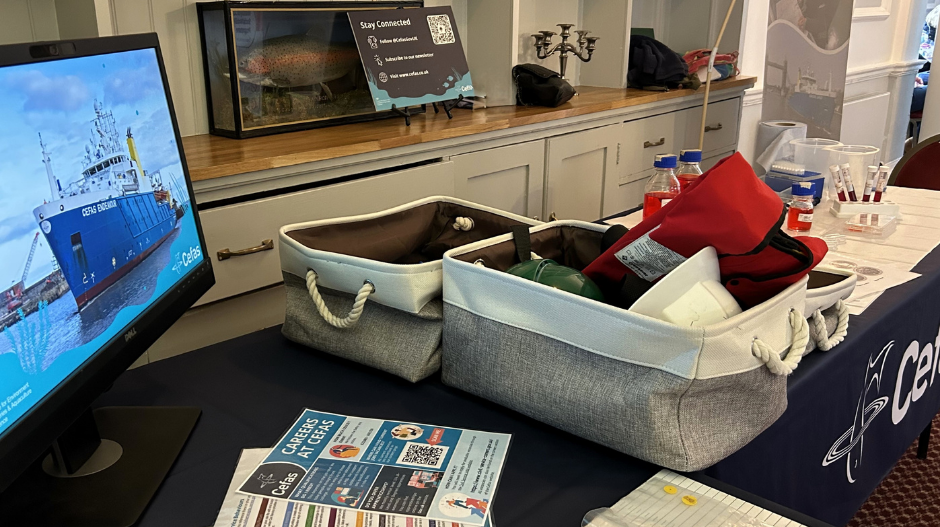 At the start of the month, colleagues from Cefas attended the Dorset Festival of Careers and Industry which was held at Kingston Maurward College.
The event saw just under 800 students, from 14 different schools and specialist education settings, attend the fair to find inspiration for their future careers within the local area. Students discovered the huge variety of careers available within Cefas linking their interests in mathematics, biology, chemistry, geography, computing and beyond to various roles within the organisation.
This annual event provides a great opportunity for us to engage with our local education settings, inspiring the next generation of Cefas workforce.
|
|
New research predicts future impact of climate change on threatened UK marine species
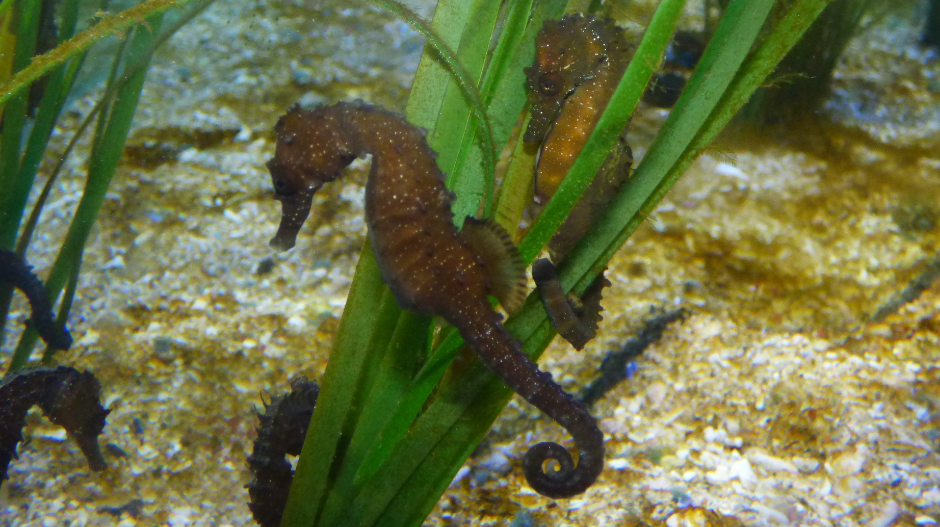 A new report led by Cefas, supported by the Joint Nature Conservation Committee (JNCC) and funded by the Department for Environment, Food & Rural Affairs (Defra), is helping policymakers and conservationists understand which UK species will be most vulnerable to the future impacts of climate change and human pressures.
The study focuses on 21 marine species listed as ‘threatened’ or ‘declining’, ranging from sharks and rays to seahorses and oysters, to understand whether climate change will lead to an ‘increase’ or ‘decrease’ in the amount of suitable habitat available for certain species over the coming century. Understanding how species move within and beyond UK waters will be crucial for future management and conservation efforts, and deciding where adaptation measures might be best targeted.
|
|
People Spotlight

Each month we shine the spotlight on the work of a current member of Cefas staff. This month we hear from Piyali Chowdhury who is a recent guest on one of our latest podcast episodes.
"My role at Cefas involves studying the impacts of climate change on our coasts. I like to play with wave-structure interaction models which are used in investigating wave interaction with coastal vegetation and/or other infrastructure. My aim is to work towards reducing risk related to coastal hazards by improving early warning systems, perception and preparedness of risk with the use of innovative digital technologies in different phases of coastal management.
In the past three years, I have worked on various projects at Cefas from coastal monitoring around new nuclear builds to coastal erosion and management practices in the tropics and nature-based solutions to marine pollution in world oceans.
The outcomes of these projects are delivered through workshops, reports, journal articles and social media. Podcasts also play a vital role in science communication and outreach. In the upcoming Cefas podcast on Oceanography, we talk about the coastal and ocean processes and the changes happening in our oceans due to climate change."
Piyali Chowdhury - Senior Coastal Scientist
|
|
|
New podcast episodes - coming soon
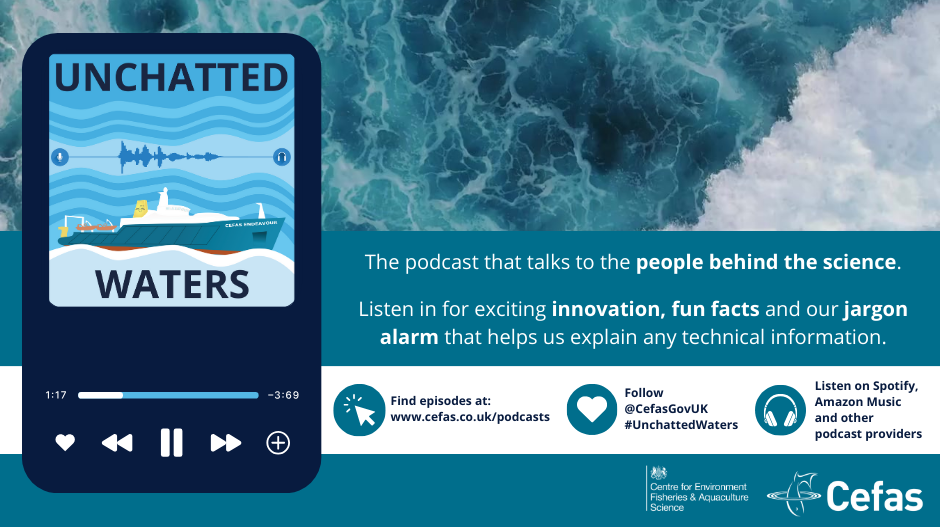 Unchatted Waters, our podcast that talks to the people behind the science is back!
Join us on World Ocean Day (7 June) for the launch of our latest episodes covering topics such as climate change, marine litter, ocean sounds, oceanography and much more.
Ahead of the launch, why not catch up on our previous episodes to learn more about our work focused on marine surveys, aquaculture, human health, aquatic animal health, fish tagging science and One Health.
|
|
|
|
|