|
|
In January's issue, we look back on our recent activities which range from invasive species 'hitchhiking' on marine debris to a new blog on climate change. We hope you enjoy the latest issue and let us know what you think on Twitter, Instagram, LinkedIn or Facebook.
Invasive species 'hitchhike' on marine debris
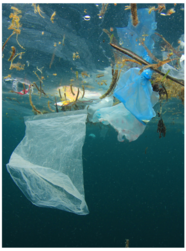
A new research project led by Cefas and funded by Defra could help policymakers better understand how invasive species that threaten marine biodiversity enter UK waters.
The project used a computer model originally developed to predict the spread of oil following spills to track the origins of floating marine debris and the invasive species that travel with it. It is hoped that this technique could be used to develop an early warning system to protect UK waters from non-native species.
The research also highlights the importance of tackling plastic pollution, which is responsible for 80% of marine debris.
|
Understanding the future climate risks to Pitcairn’s coral reefs
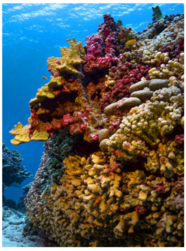
The Pitcairn Islands are home to one of the largest marine protected areas in the world, where hidden under its clear waters, coral reefs are abundant.
However, climate change is one of the greatest threats to coral reef ecosystems. With global temperatures likely to rise above 1.5 degrees, warming seas, increased sea level, ocean acidification, and increased damage due to storms are likely to lead to mass bleaching and mortality.
In their latest blog Cefas scientists report on the future climate risks to Pitcairn’s pristine coral reefs.
|
Citizen science in remote UK overseas territory
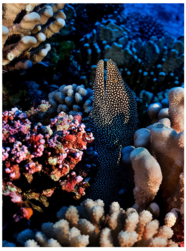
Volunteers from the Pitcairn Islands have showcased the incredible biodiversity thriving in in the region's 842,000 square km Marine Protected Area thanks to a UK marine protection scheme.
The findings are based on underwater surveys carried out across the outer islands by 12 volunteers of the Pitcairn community who were trained by video link during the pandemic.
The recent report revealed the islands’ Pacific Ocean waters are home to an abundance of rare marine life, including endangered humpback whales, sharks, and more than 200 species of fish. The findings suggest that protecting large parts of the ocean could help marine ecosystems and biodiversity to recover and thrive, though these coral reefs are still at risk from other effects of climate change in the future.
|
Blue Belt Discovery Expedition comes to an end
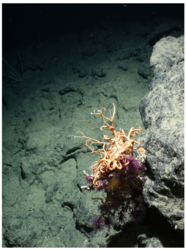
During November and December, the Blue Belt Programme’s Discovery expedition (#DY159) surveyed the marine environments around Ascension Island and St Helena.
This major interdisciplinary expedition made new discoveries across the two Marine Protected Areas and collected information that will support their sustainable management and protection.
The data is now in the early stages of being processed, with the physical specimens collected onboard due to arrive in the UK in April. Later in the year, we look forward to unveiling our documentary about the expedition, and share more of the findings as they emerge.
|
Latest #CefasScience
A roundup of some of our latest research:
A new paper from our microplastics lab on microplastics in UK seafloor sediments
New research evaluating the challenges for growth of sustainable marine aquaculture
A new pilot study on abandoned, lost or otherwise discarded fishing gear in Sri Lanka
|
|
The people behind 120 years of science
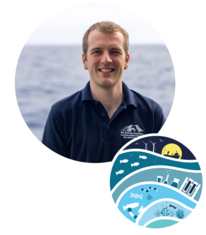
Each month we shine the spotlight on the work of a current member of Cefas staff as part of our celebrations of #120yearsofScience. This month we hear from communications team member Joe Wells. Joe recently spent 6 weeks at sea on the RRS Discovery tweeting, blogging, photographing and filming the activities on board.
"My favourite thing about this role is being able to learn about and tell the story of all the different scientific work going on within the Blue Belt Programme. Most recently I was able to join the Blue Belt RRS Discovery (#DY159) survey to the South Atlantic, exploring uncharted waters around the remote islands of Ascension and St Helena.
This was my first opportunity to join a large research expedition of this kind, and I coordinated a communications campaign promoting the wide range of science taking place onboard – from mapping the seafloor to collecting unique and perhaps previously unknown marine species for research.
Being in the field allowed us to think creatively about how we communicated the work of the expedition, and also raise awareness of the work and example set by the UK Overseas Territories – who protect vast and highly biodiverse areas of ocean. From social media and e-newsletters like this one to the filming of a video documentary (due out later in 2023!), I really enjoyed being part of the expedition."
Joe Wells - Communications Officer
|
|
|
|
|



