 To mark Children’s Mental Health Week 2026, we’re shining a spotlight on the fantastic work that schools are doing to support the emotional wellbeing of children and young people across the district.
Article 1: Chatter Buddies Mental Health Ambassadors Program
Article 2: Park Aspire AP take a Whole School Approach to Mental Health
Article 3: ELSA Upskilling and Capacity Building for Mental Health in Schools
Article 4: Bronte Girls’ Academy – A Graduated Approach to Student Wellbeing Leadership, Opportunity and Support for Every Student
Article 5: myHappymind Supports Children to Build Mental Resilience
Chatter Buddies Mental Health
Ambassadors Program
 |
|
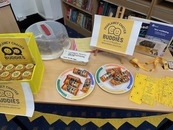
St Bede’s & St Joseph’s Catholic College secured a £5000 grant through Living Well Schools and have created the Chatter Buddies Mental Health Ambassadors programme.
Since launching in Autumn 2025, 200 students from Year 7 to Sixth Form have become Chatter Buddies, with a smaller, core group leading initiatives.
|
These students act as peer listeners and friendly faces around school, helping others feel heard, valued and less alone. The response from children and staff alike has been extremely positive, highlighting just how important early mental health support and peer connection can be.
Chatter Buddies is co-designed, led, and evaluated by the students themselves. The recruitment is truly inclusive and representative, including children from diverse ethnicities, SEND, PP, EAL, and those with lower attendance. With staff support, the Buddies plan mental health activities, deliver assemblies, manage awareness desks at school events, and support year 6 transitions. |
|
 |
A cycle of ongoing training and peer mentoring is planned to ensure sustainability year after year. Student ownership, regular evaluation, and staff oversight will embed the initiative into school life and create a lasting, student-owned legacy.
Park Aspire AP Take a Whole School
Approach to Mental Health
Working with pupils who have been excluded from mainstream schools, Park Aspire AP Academy has created a culture of belonging where children’s emotional wellbeing is at the heart of everything that they do. Some of the mental health initiatives that support pupils include:
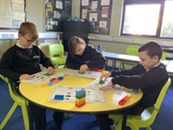
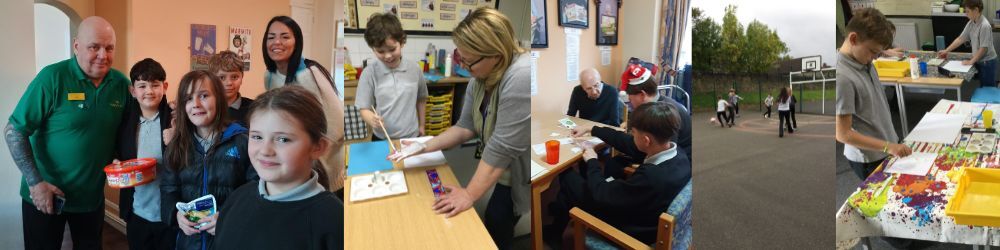  Children choose from a range of structured activities designed to support emotional wellbeing and engagement. Activities include football, arts and crafts, Lego therapy, access to the games room, and physical activities in the hall. Sessions are supported by staff who focus on positive relationships, emotional regulation, and inclusion. These activities have helped children to reduce anxiety by offering autonomy and ownership whilst building self-esteem and confidence.
 This is a pilot project where a facilitated discussion group, based on the principles of Andy’s Man Club, has been created and adapted to be age-appropriate for children.
Pupils sit together in a safe, non-judgemental space and are encouraged to share thoughts, worries, or experiences at their own pace.
Sessions are adult-led but pupil-focused, with an emphasis on listening, respect, and emotional safety. Time to Talk allows pupils to develop emotional literacy whilst supporting self-regulation, processing trauma, exclusion and adverse experiences. Children are able to build trust and secure relationships with adults and peers. |
|
 |
 Pupils regularly visit a local nursing home to take part in shared activities with residents, including crafts, games, and baking. The initiative focuses on building positive relationships, empathy and emotional awareness of others, whilst contributing to the community through developing appropriate social behaviour.
Children experience reduced negative self-perception through being able to give back and this activity strengthens their self-worth by encouraging reflection and emotional growth.
 At Park Aspire school council discussions take place to allow all pupils the opportunity to raise ideas, concerns, and suggestions about school life. Discussions are structured and supported by staff to ensure pupils feel safe, heard, and respected. Feedback is shared with the wider school council, helping children to strengthen their sense of belonging at Park Aspire, especially by reducing the feelings of powerlessness often experienced by excluded pupils.
ELSA - Upskilling and Capacity Building
for Mental Health in Schools
This year Public Health has funded the training of 16 Emotional Literacy Support Assistants (ELSA) in Bradford. This is an Educational Psychology led programme for school staff who are trained to plan and deliver programmes of support to pupils experiencing emotional difficulties. ELSA’s then support the pupil for approximately a term, helping them work towards identified outcomes.
 |
|
ELSA training covers a range of topics and is informed by psychological theory and an understanding of the needs underpinning healthy emotional development. ELSAs also have opportunities within the training sessions to explore new resources, share ideas and develop their practice alongside their fellow ELSAs, all under the guidance of an Educational Psychologist. |
Once ELSAs have completed their training they continue to attend group supervision sessions each half term with an Educational Psychologist, where they can problem-solve, share ideas and further develop their knowledge and skills.
The Educational Psychology Team will recruit 16 more schools for the second pilot cohort (2026-27) in the Summer term of this academic year; details will be shared nearer the time.
Bronte Girls’ Academy – A Graduated
Approach to Student Wellbeing, Leadership,
Opportunity, and Support for Every Student
 |
|
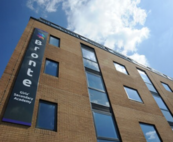
Student wellbeing is central to the vision of Bronte Girls' Academy as they follow a clear graduated approach that blends early identification, targeted intervention and specialist support with strong whole‑school provision. With almost 50% the cohort identified as disadvantaged, the school prioritises building confidence, cultural capital and student voice through wide‑ranging leadership and enrichment opportunities. |
The wellbeing framework brings together in‑school expertise and trusted external partners. Students are signposted to the right support at the right time, while universal strategies promote belonging, resilience and aspiration.
Student Leadership Pathways
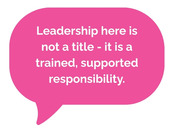
Leadership is a core part of the wellbeing offer. All students are encouraged to apply through a formal recruitment process, building real-life skills and pride. Roles include Wellbeing Champions, Buddy Reading Leaders, Numeracy Leaders, STEM Ambassadors, Sports Leaders, Library Leaders, Form Representatives, Event Leaders and more. Each role includes training, mentoring and recognition to build self-esteem.
|
Examples of Leadership in Action
Library Leaders support daily library operations, help peers access resources and lead events such as World Book Day and the Scholastic Book Fair.
|
|
 |
Sports Leaders assist with fixtures, warm-ups and activities, modelling teamwork and encouraging inclusive participation.
Intervention Leaders provide coaching-style support in reading and numeracy through paired and small‑group sessions, building skills, confidence and positive habits.
 |
|
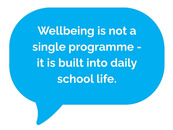
Wellbeing Champions offer peer support during unstructured times. Trained by the NHS Mental Health Support Team, they help students who need connection, reassurance or a friendly face.
STEM Ambassadors promote science capital, support key events and mentor younger students.
|
Celebrating Mental Health
Each May, Bronte Girls' deliver a high-profile Mental Health programme with Mind, focusing on resilience, gratitude and positive coping strategies through assemblies, tutor activities and student-led initiatives.
A Culture of Support and Opportunity
The graduated approach to wellbeing ensures specialist help is available when needed, while leadership and enrichment opportunities build confidence for all. Parents and carers are supported through workshops and termly wellbeing newsletters, strengthening the partnership between home and school.
 |
|
myHappymind Supports Children
to Build Mental Resilience
|
Haworth Primary School is one of the many schools in Bradford that uses myHappymind to support the emotional wellbeing of their children. The school celebrates diversity and aims to develop children into resilient, respectful and well-educated citizens.
 Teachers across the school have found the myHappymind resources useful, with one teacher sharing, “I have the myHappymind characters visible in the classroom so they can be referred to regularly. Children have something to relate to when talking about situations that arise, such as friendship issues. The characters are helpful as children can immediately relate to the situation with some experience or some vocabulary.”
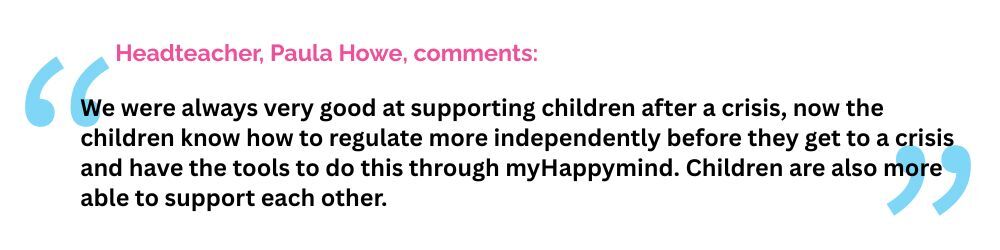
Another teacher shared that Happy Breathing has been a very helpful tool for self-regulation during less structured times, such as lunchtime or breaktime. “Children are more able to support their friends and regulate themselves. This helps to create a calmer environment every day when they come inside afterwards. Children are ready to learn.”
The school has also created a myHappymind space called the “Hut” in the playground so children have a space to go to if they need a calm and quiet space to relax at lunchtime.
The communication and understanding between the children has improved across all year groups as children have improved their self-regulation and concentration. The myHappymind strategies are also helping pupils take control of their emotions by reducing anxiety, as they prepare for any challenges faced in life.
|