Issue 13: September 2018
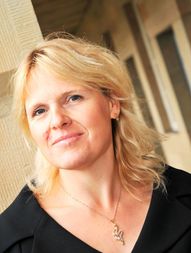
It's been a long hot summer packed full of events keeping Bradford District on the map, from the magnificent spectacle of the Dragonboats to the ever popular Bingley Music Live. Bradford Literature Festival has emerged to be one of our most prestigious cultural events and the efforts of director Syima Aslam have been recognised nationally. Syima is one of a trio of recent Bradfordian award winners with two home grown social entrepreneurs making it into the top “New Radicals 2018” and another among the judges. Bradford’s influence spreads far and wide and, with the new school year under way it’s important to recognise, celebrate and share our successes and use them to inspire our young people. And if those young people are going to get a great start in life and achieve their potential we must all be up for making the case for the investment that Bradford needs and the opportunities it offers.
Kersten England
Chief Executive, City of Bradford MDC
|

Neither World Cup football nor the summer’s heat-wave could provide sufficient distraction to arrest the exponential growth of Bradford Literature Festival. This year’s event attracted audiences of over 70,000, up 40% on last year. Four years ago the audience numbered just 968. The involvement of schools has more than doubled over the 12 months from 12,000 to over 30,600.
With over 50% of visitors from black and minority ethnic backgrounds and a pricing policy that promotes inclusion, the Festival has earned the accolade of the “most diverse festival in the UK” and is bringing people from different backgrounds together as well as playing its part in growing the district’s £656m visitor economy.
Hats off then to festival director Syima Aslam whose inspiration, drive and passion has been recognised in the Hospital club h100 awards which celebrate the most influential and innovative individuals in the UK’s creative industries. Syima won the Publishing and Writing award for her outstanding work.
|

Early indications are that Bradford schools and students have maintained broadly similar performance in GCSE results as last year. Initial data suggests that:
- Bradford’s average grade attained by students across 8 subjects (Attainment 8 score*) is 42.4. This is the same as the 2017 revised figure.
- Bradford’s percentage of students achieving the more challenging grade 5 in English and mathematics (strong pass) is 35.7%. This represents an increase of 0.6 percentage points on 2017.
- Bradford’s percentage of students achieving grade 4 in English and mathematics (standard pass) is 55.8%. This represents a decrease of 0.3 percentage points on 2017.
It is important to recognise that the results have yet to be fully validated. The Progress 8 measure for 2018, measuring how schools have done helping all students achieve (best and worst) and which Bradford was 4th best in the country last year, isn’t reported until October 2018.
Getting our young people equipped with the skills and opportunities to succeed is the single most important thing we can do to future proof the prospects of the UK’s youngest city. So, no apologies for once again promoting the Education Covenant which sets out how everyone can contribute to improving attainment and keeping education a top priority.
|

The Government is asking organisations and individuals what they want to see in its budget later this Autumn. Bradford Council will spell out ambitions for Bradford to be the country’s fastest growing economy by 2030, the challenges to achieving that goal and the investment needed to help overcome them.
It will make the case for fair funding that accounts for its high needs and limited local resources.
Spending cuts, increased demand for and higher costs of social care, have required the Council to save £262m since 2011 with more to come. The Council is increasingly reliant on Council tax to meet local needs. Those needs are high but the money raised from Council tax is relatively low.
- Band D Council tax is 9th lowest of Metropolitan District
- 80% of properties fall below Band D
- Band D raises £1,039 per dwelling compared to a national average of £1,258.
Bradford also needs action on social care. Extra Council investment to meet rising demand for adult social care is over £46m since 2011 but savings still have to be made. Action includes helping more people to live at home instead of in residential care which to date has meant that costs are around £6.2m a year lower than they would otherwise be. But because the cost of care keeps rising, overall costs keep going up. Between April 2016 and June 2018:
- Home care costs went up £13 per week or 22.14%
- Placement costs went up £67 per week or 12.11% over the period
- Even with proportionately more care being provided at home total costs went up by £85,000 a week – 6.3%.
Demand and costs in children’s social care are also rising.
- 630 referrals a month in 2017-18 up from 540 in 2016-17
- 1,033 children in care in August 2018 compared to 925 in March 2017
- 30% increase in cost of locally purchased placements over five years.
A minimum additional annual investment of £14m is needed for social care. Failure to invest will mean a very real risk that the Council will eventually provide only statutory care and a few other bare minimum statutory services. Funding for interventions that reduce overall costs across all health and care services will cease and the ability to invest in delivering economic growth will be eradicated
Individuals can also tell the government what they want in the budget by completing the survey here.
|
Bradford Council is backing the Local Government Association’s (LGA) campaign for a sustainable social care system with greater emphasis on public health, prevention and early intervention. This will improve peoples’ quality of life while reducing pressure on the NHS.
- English councils receive 1.8 million new requests for social care a year
- Councils spend £15 billion a year on adult social care
- Social care faces a £3.6 billion funding gap by 2025, just to stand still
- 28.7% of Bradford Council’s budget goes on health and adult social care
- An LGA survey of MPs found that 84% back calls for more cash for care
- A survey by Which? magazine found that only 12% of adults over 55 have put aside money to pay for care.
Without extra investment councils will be forced to cease funding services that help to keep people fit and well and avoid developing high level needs. This in turn will impact on health services.
As well as more money the LGA wants reforms that put social care on a sustainable footing. It has published a Green Paper “The Lives We Want to Lead” which poses questions including how should we pay for social care, what is the role of local authorities and what needs to change? The consultation runs until 26 September so there’s still time to have your say. You can read the Green Paper and give your response.
Since 2014, Bradford has experienced a significant increase in the number of children and young people being assessed for Special Educational Needs and Disabilities who require specialist provision to ensure they can have their complex needs fully met and receive the specialist support that is necessary for them to thrive.
Bradford has received less Government funding for SEND places than comparable authorities despite the fact that it has seen far bigger increases in the numbers of SEND children and the Council is making the case to Government to review its funding allocations.
- 1,154 increase in total number of Education, Health and Care Plans in Bradford since 2014
- Bradford has a greater proportion of school age children identified with SEND with an EHC plan than the England national average - 3.5% of statutory school aged children in Bradford compared to 2.8% across England
- Forecasts currently show a shortfall of over 200 primary specialist places, rising to a shortfall of over 300 by 2020
- The Secondary Pupil Forecast shows a shortfall of 147 rising to over 200 by 2020
- Bradford’s increase in SEND pupils was 374 higher than Sheffield’s yet its capital funding allocation for specialist places was over £1m lower.
Bradford district is also consulting on its strategy for how we support the district’s growing number of children and young people with SEND and we want to hear your views. The consultation runs until 7 October. You can view the strategy and give your views here.

Bradford is one of five integration areas invited to work with Government on innovative and sustainable approaches to integration. This is in recognition of the district’s experience and knowledge of what works, awareness of its challenges and desire to try new approaches. A draft “Stronger Communities” strategy has been produced focussed on four key priorities:
-
Getting on: Equality of opportunity - addressing factors affecting economic participation and poverty including language skills and educational attainment
-
Getting along: Promoting greater interaction, dialogue and understanding between people from different backgrounds given the diversity of the population and the extent of residential and educational segregation; ensuring that people understand fully their rights and freedom and their responsibilities
-
Getting involved: Generating and connecting people to opportunities to participate in community and civic life and strengthening leadership
-
Feeling safe: Tackling crime and the fear of crime so that everyone feels safe.
The strategy will be published later this year. In the meantime, think tank British Futures has published its report on a National Conversation on Immigration. The report makes recommendations to shape a fair system of immigration that meets business needs and has public confidence. The report includes a summary of conversations with people in Bradford which suggested that while people believed attitudes to race and diversity had shifted there are still concerns about integration. Participants stressed the importance of respecting the law and British values and speaking English.
|
Recycle week runs from 24-30 September. The Council will be encouraging residents to volunteer as Recycle Champions helping to reduce waste and to increase recycling. In particular we need to make sure all recyclable material is going into the recycling bin and to eliminate the contamination of recyclable waste with other materials. Recycling’s in everyone’s interests:
- On average each of the district’s households generate around 1 tonne of waste a year costing around £100 per tonne to dispose of.
- If residents could take 10% out of their residual bin and recycle it, it would save £1m per year that could be used to pay for other local services.
Waste ambassadors will receive a pack containing all relevant information, leaflets, recycling bags and be trained on how to direct residents to sign up for recycling bins or extra recycling bins and what should and should not be put in a recycling bin. They will be welcomed at City Hall at an event to introduce/induct them into the work the recycling advisors currently do. If you are interested in becoming a Recycling Champion email edith.grooby@bradford.gov.uk to find out more.
|
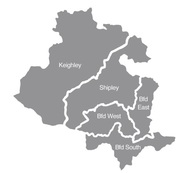
The Boundary Commission has published the final recommendations from its review of Parliamentary constituencies designed to reduce their number from 650 to 600. The recommendations would have the following impact on Bradford District:
- Constituency boundaries would no longer be the same as those of the District
- Abolition of the existing Bradford East, Bradford South and Bradford West constituencies
- New Bradford North and Bradford South Constituencies
- New Bradford South East and Spen constituency to include Tong and Wyke wards alongside wards in Kirklees
- Bradford Moor ward would move into Pudsey Constituency
- Wharfedale ward would move from Shipley to Keighley constituency to be replaced in Shipley by Guiseley and Rawdon, part of Leeds local authority
- Queensbury the sole Bradford ward in a new South Calderdale and Queensbury constituency
- The numbers of MPs representing part of the District would rise from five to seven.
The Government can now choose when Parliament votes on the recommendations.
|
In keeping with Bradford District’s longstanding pioneering and radical traditions two of our home grown talents, Fiona Broadfoot and Evie Manning, made it on to the New Radicals 2018 list of 50 radical thinking organisations and individuals who are changing the UK for the better. The list is compiled by the Observer newspaper in collaboration with the innovation foundation NESTA.
Fiona earned her place on the list as a result of her ground breaking work as founder of the Build a Girl project, a Bradford based, survivor led social enterprise working with young women at risk of, or experiencing, sexual exploitation.
Evie is a co-founder of Commonwealth Productions who produced “We’re Still Here” the story of Welsh workers fighting the closure of their steel works.
On the judging panel was Bradfordian Ruth Ibegbuna the founder of Reclaim, an organisation supporting young, working-class people to be seen, be heard and lead change in their communities.
Elsewhere, Madhani Younis, Bradfordian and former artistic director at Bradford’s Freedom Studio was appointed as creative director at London's Southbank Centre - the UK's largest arts hub.
In brief
More female councillors needed
Bradford is one of just 18% of local authorities in England to have a female leader, research by the Fawcett Society has revealed. The overall proportion of women on the Council, at 38.9%, is higher than the national average of 33.7% and up slightly from 36% a year ago. But women continue to be under-represented and Bradford only just scrapes into the top 25% of councils in terms of the proportion of female councillors. The London Borough of Islington has the highest proportion of women with 58.3%. Bradford’s neighbour Craven has the lowest with just 10%.
People’s Powerhouse Convention
Bradford hosts “The People’s Powerhouse Convention” on 20 November. The convention brings together people including practitioners, policy makers, opinion formers, young people, MPs businesses and community groups from all over Northern England to collaborate and take part in shaping a North that works for everyone. Workshops will showcase innovative ideas and actions and key speakers include Cllr Susan Hinchcliffe, leader of Bradford Council and Chair of West Yorkshire Combined Authority, and People’s Powerhouse Chair, Edna Robinson. You can find out more and sign up here.
Find up to date facts and figures on Bradford District in our District Dashboard.
|