In other news

IODP³-NSF Expedition 501: successful offshore operations launches onshore phase
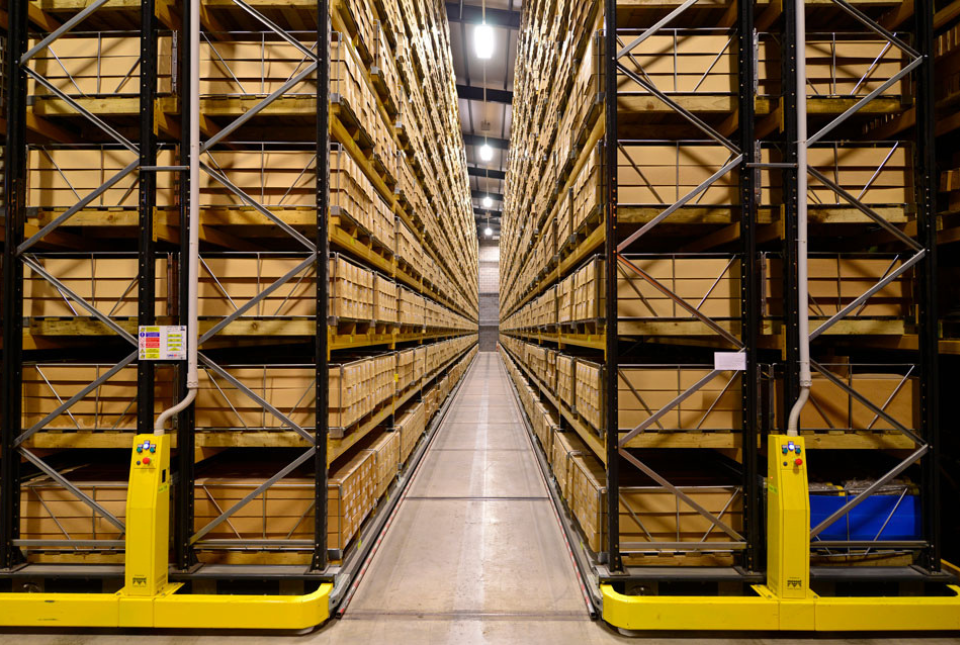
Seventy-four days offshore, 718 cores and 871.83 m of total core from three locations: this is the successful outcome after the end of offshore operations of IODP³-NSF Expedition 501: New England Shelf hydrogeology. The goal of the expedition was to take samples not only of sediment cores, but also of the water stored in both sandy aquifers and clayey aquitards beneath the ocean floor. Their existence has been known for decades but they remained virtually unexplored — until now.
|

Kamchatka earthquake highlights the advances in tsunami early warning systems
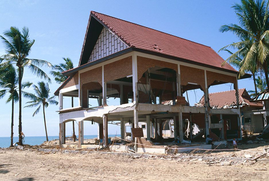
On 29 July 2025, global monitoring systems detected a large earthquake offshore of the Kamchatka Peninsula, Russia, and widespread tsunami warnings were issued across the Pacific region.
Almost as soon as news broke of the earthquake, tsunami warnings were issued and millions of people were told to evacuate across locations at risk, 2 million in Japan alone. This was the result of two decades of research on hazard mitigation following the Boxing Day earthquake in 2004, which claimed the lives of more than 220 000 people in one of the largest disasters, in terms of loss of life, in modern history.
|

Scientists uncover secrets of Stonehenge's mysterious cattle
The mysteries of Stonehenge have baffled scientists for centuries. In the 2010s, archaeologists and geologists identified two quarries in Wales as the sources of Stonehenge’s legendary standing bluestones. Now, new evidence published by scientists in August 2025 consolidates this connection.
|
Upcoming events
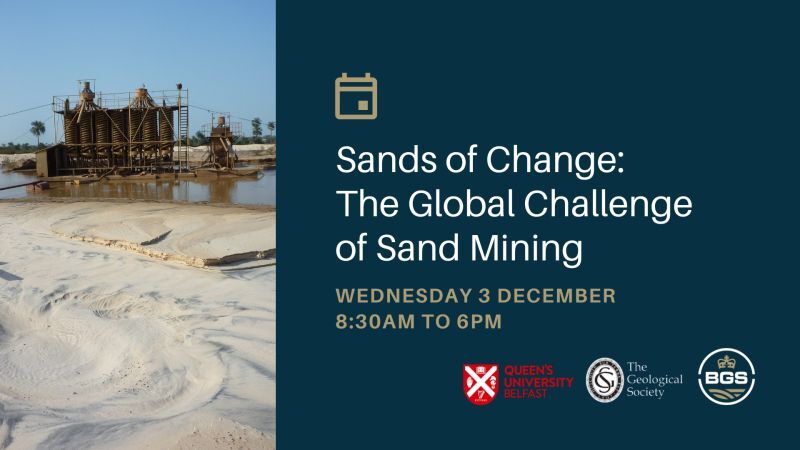
Wednesday 3 December - 8.30am to 6pm
Sand is one of the most important industrial raw materials on the planet and is the second most utilised resource on Earth, after water.
For many, sand is seen as a freely available and easily extracted material, however the mismanagement of sand can create huge economic and ecological issues. Illegal sand mining and extraction is now an industry worth an estimated $200 to 350 billion per year.
Geoscience can play a crucial role in the monitoring and management of both legal and illegal sand resources, from sourcing the location of deposits, understanding the chemical and physical properties of sand, through to modelling the impacts of extraction and understanding how we can reduce our reliance on sand for a sustainable future.
Join us on 3 December as we discuss the sand mining trade and how we can create a more sustainable practice, and potentially reduce future dependence on sand.
> Register for your ticket online.
|