BGS News - March 23

Having trouble viewing this email? View it as a Web page.

BGS Latest News
Carboniferous limestone formations with deep geothermal heat potential

Scientists discover regions of the UK with greatest potential to use heat from deep thermal waters

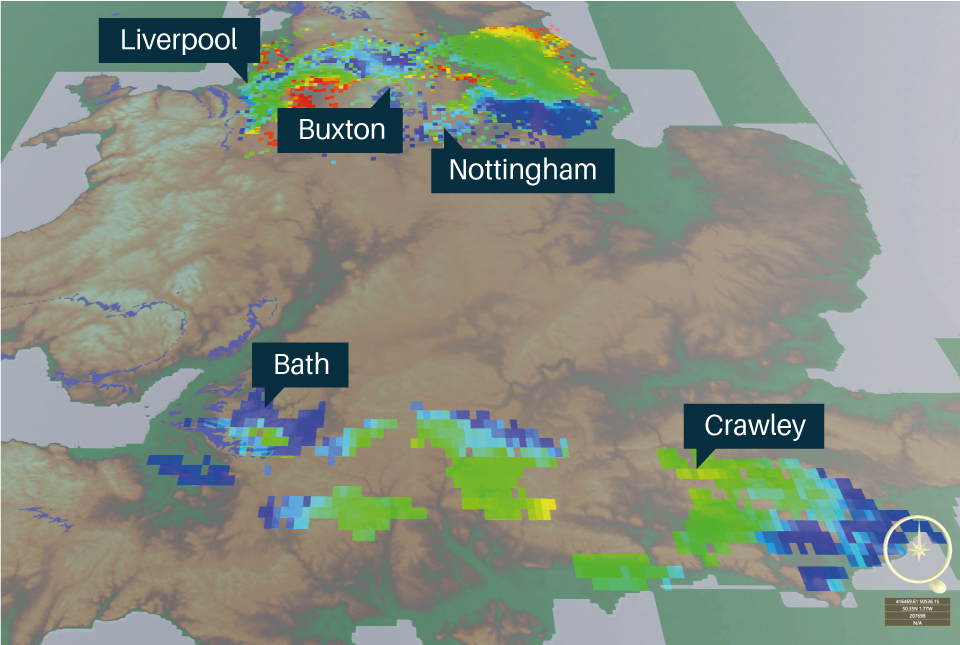
Natural thermal springs have been used since Roman times and towns such as Bath and Buxton have grown up around them. The warm waters have travelled up from the Carboniferous limestone, a rock formation that can be found in many regions of the UK such as the Peak District and the Mendip Hills. 

The geothermal team at BGS has mapped where the limestone is buried below the Earth’s surface at depths of over 4 km. Using established 3D modelling methods, they assessed the depth, distribution and geothermal potential of different regions in England. They calculated that there is potential to recover thermal heat of 106 to 222 GW from these rocks at depth under central and southern Great Britain.

BGS Seabed Geology 1:10 000 Map for offshore Yorkshire

New seabed geology map for offshore Yorkshire

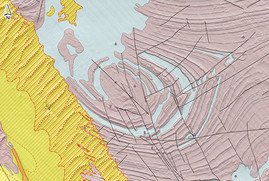
Offshore Yorkshire is the latest map to be released in BGS's series of fine-scale digital seabed maps.

© Habibul Haque, WaterAid.

World Water Day 2023: groundwater photo stories

A showcase of groundwater use from around the world highlighting how developing groundwater has benefited the lives of many people.

In other news

BGS Policy Director Corinna Abesser

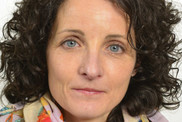
Dr Corinna Abesser appointed BGS Policy Director

As policy director, Corinna will lead BGS interaction with policymakers at all levels of government. as well as advise BGS management and staff.

BGS laboratories become first in UKRI to receive gold LEAF accreditation

BGS laboratories become first in UKRI to receive gold LEAF accreditation

BGS has achieved gold certification in the Laboratory Efficiency Assessment Framework (LEAF), a standard awarded to laboratories that can demonstrate practical steps towards improved efficiency and sustainability.

New Karst report for Hampshire and Wiltshire released

New BGS karst report released for Hampshire and Wiltshire

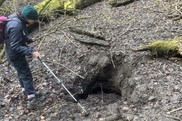
The report details the evidence for karst processes in areas of soluble rocks that have not previously been considered karstic.


On the blog

Loch Lomond

Below the bonnie banks: mapping Loch Lomond’s underwater landslides

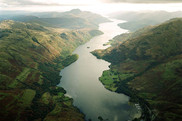
BGS marine geoscience and landslide teams are mapping historic landslides under the waters of Loch Lomond, using high-resolution, multibeam bathymetry and shallow seismic imaging.

Women in the village of Téhini, in north-eastern Côte d’Ivoire, collecting water from a groundwater supply within their village. © Samuel Kouakou.

A tale of two groundwaters

BGS Head of groundwater, Prof Alan MacDonald, explains what we can learn from the development and protection of groundwater through its use in different parts of the world.


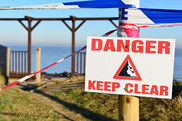
Cordoned off section of road after the storm surge in December 2013 in Hembsy

Hemsby coastal erosion: the scale of the transformational challenge around the coastlines of England and Wales

The recent closure of Hemsby beach in Norfolk provides key information on the transformational challenge of coasts and evidence of historical change along the coastlines of England and Wales.

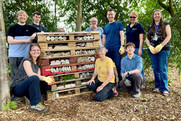
Bug hotel under construction at BGS Keyworth

Six ways we’re improving recycling at BGS Keyworth

From our research and laboratory practices through to the paper we use, the pens we write with and even the food we eat on site — we are committed to thinking about our environmental impact in all areas of our working lives at BGS.


Upcoming events

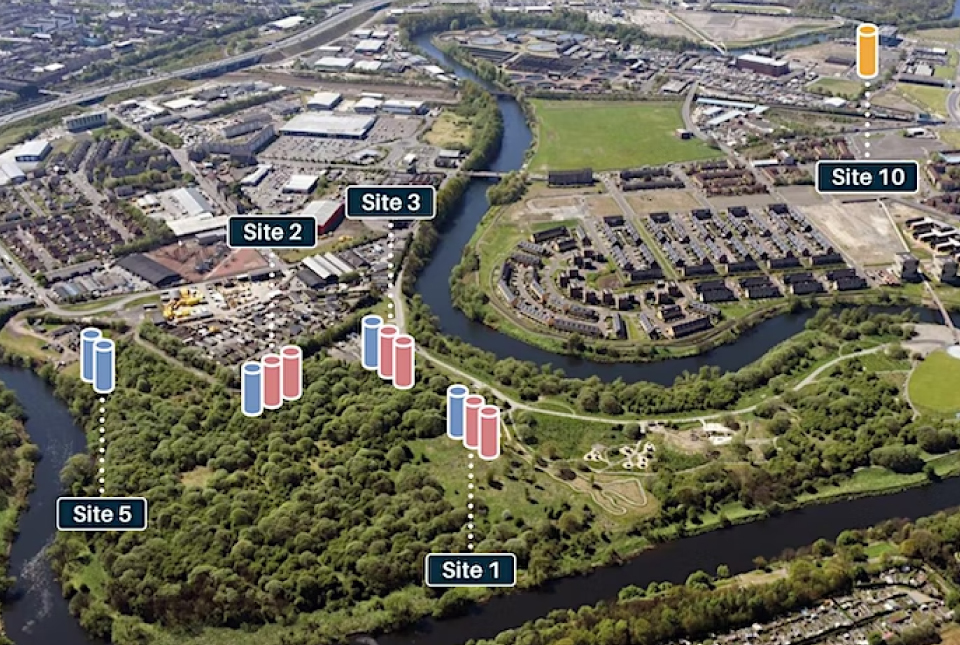
UK Geoenergy Observatories open events in Glasgow

UK Geoenergy Observatories — open events in Glasgow - 26 / 27 April

On 26 and 27 April 2023, the BGS team at the observatory will be running four half-day sessions; each session will offer a comprehensive tour of the Glasgow Observatory and an opportunity for you to network and meet members of the project team and technical experts. Refreshments will also be provided.

These open events are aimed at earth scientists, sensor developers, heat engineers and commercial enterprises that are seeking opportunities to use the facility. Spaces are limited so booking is essential.