Staying safe in warm weather
The country is experiencing one of the driest springs on record – and that brings risks with it.
Warm, dry conditions create the perfect environment for wildfires to ignite and spread, often with devastating consequences for communities, wildlife, and the environment.
Wildfires can start from both natural and human causes. Natural causes include lightning strikes, which can ignite dry vegetation. However, human activity is responsible for the majority of wildfires. Common causes include unattended campfires, discarded cigarettes, equipment sparks, and debris burning.
In warm, dry weather, even a small flame can quickly escalate into a large-scale fire.
Understanding fire behaviour
Wildfires thrive on three key elements: heat, fuel, and oxygen. In warm weather, grasses, shrubs, and trees become dry and flammable, acting as fuel. Wind can fan flames and carry embers long distances, spreading fires rapidly across large areas.
As we enjoy the warmer months, staying vigilant and practicing fire safety can make a critical difference in preventing wildfires. Protecting our communities and natural landscapes starts with awareness and responsible behaviour.
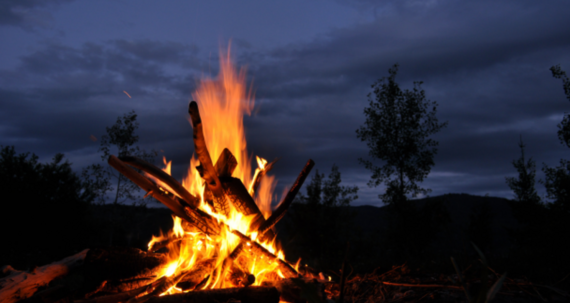
As a fire service, we get called to hundreds of incidents a year that involve a garden bonfire that has grown out of control. Usually, these fires end up spreading to fences, sheds and even properties – causing a huge amount of damage.
Whilst it isn’t strictly against the law to burn rubbish in your own garden, there are laws around burning certain types of waste and to prevent bonfires causing a nuisance.
Our general advice is that you avoid garden bonfires altogether. When it comes to disposing of waste, you should try to either compost or recycle as much as possible, so you don’t need to have a fire.
Where you have particularly heavy or bulky items, your local council should be able to take that away for you.
Rules around burning waste
You cannot burn waste if it will cause pollution or harm to people’s health.
Councils have a duty to investigate any smoke coming from premises, such as from a bonfire, that could be classed as a statutory nuisance.
For the smoke to count as a statutory nuisance it must do one of the following:
-
unreasonably and substantially interfere with the use or enjoyment of a home or other premises
-
injure health or be likely to injure health
If they agree that a statutory nuisance is happening, has happened or will happen in the future, councils must serve an abatement notice. This requires whoever’s responsible to stop or restrict the smoke.
If you see a bonfire that is dangerously out of control, i.e. it is about to spread to a shed, fence or other property, you should call 999 and ask for the fire service.
You can find out more about how council’s deal with smoke and bonfire complaints below.
|