|
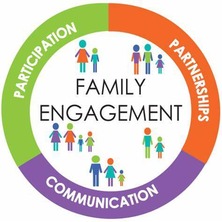
To create a child care program that effectively focuses on families, it's essential to implement strategies that foster meaningful partnerships, respect cultural diversity, and support both children and their caregivers. Here are steps to help you build a family-centered approach:
- Welcome Families and Build Trust
-
Conduct Home Visits: Initiate relationships by visiting families in their homes, either in person or virtually, to understand their environment and establish rapport. (Trying Together)
-
Host Welcome Events: Organize orientation sessions where families can meet staff, learn about the program, and ask questions.
-
Provide Multilingual Resources: Ensure all materials are available in families' preferred languages to promote inclusivity.
- Engage Families in Decision-Making
-
Establish Advisory Committees: Create parent advisory boards to involve families in program planning and policy development. (ZERO TO THREE)
-
Set Collaborative Goals: Work with families to set educational and developmental goals for their children, ensuring alignment between home and care settings. (Family Engagement Resources – CLI Engage Public)
- Communicate Effectively and Respectfully
-
Implement Two-Way Communication: Use various channels—newsletters, apps, meetings—to maintain open lines of communication, allowing families to share insights and concerns. (NAEYC)
-
Recognize Family Strengths: Adopt a strengths-based approach by acknowledging and building upon the unique skills and experiences each family brings. (ParentPowered)
- Offer Learning Opportunities Beyond the Classroom
-
Provide Take-Home Resources: Offer books, activity kits, and educational materials that families can use to support learning at home. (blog.experienceearlylearning.com)
-
Organize Family Events: Host workshops, field trips, and cultural celebrations to engage families in their children's learning experiences. (MyKidReports Website)
- Support Family Well-Being
-
Offer Parenting Education: Provide workshops and resources on child development, discipline strategies, and stress management to empower parents.
-
Connect Families with Services: Help families access community resources such as healthcare, housing assistance, and financial planning.
- Create a Culturally Responsive Environment
-
Celebrate Diversity: Incorporate diverse cultural perspectives into the curriculum and program activities.
-
Respect Family Values: Honor and integrate families' cultural practices and beliefs into daily routines and interactions. (HeadStart.gov)
- Solicit and Act on Family Feedback
-
Conduct Surveys: Regularly gather input from families about their experiences and suggestions for program improvement.
-
Implement Changes: Demonstrate responsiveness by making adjustments based on family feedback to enhance the program's effectiveness.
By embedding these practices into your child care program, you can create a supportive, inclusive, and collaborative environment that prioritizes the needs and strengths of families, ultimately fostering better outcomes for children.
|
|
|

Director PLC
Join Us Online,
Wednesday, June 11th from 1:30pm to 2:30pm
Topic: Benefits: Blair Hall from NYLIFE will give an informative talk on employee benefits and how they can support employee retention.
"One of the biggest challenges small-business owners face is attracting and retaining top talent. While some companies will always be able to offer more in terms of salary, you may find that employee benefits is an area where you can give yourself a competitive edge."
|
 Mr. Ty, The Childcare Whisperer: “Child Care Marketing: Be Every Parent's First Choice” on June 4 at noon CT! Mr. Ty is joining us again to offer his expertise and tips on how to position your child care center as the go-to choice for parents.
|
|
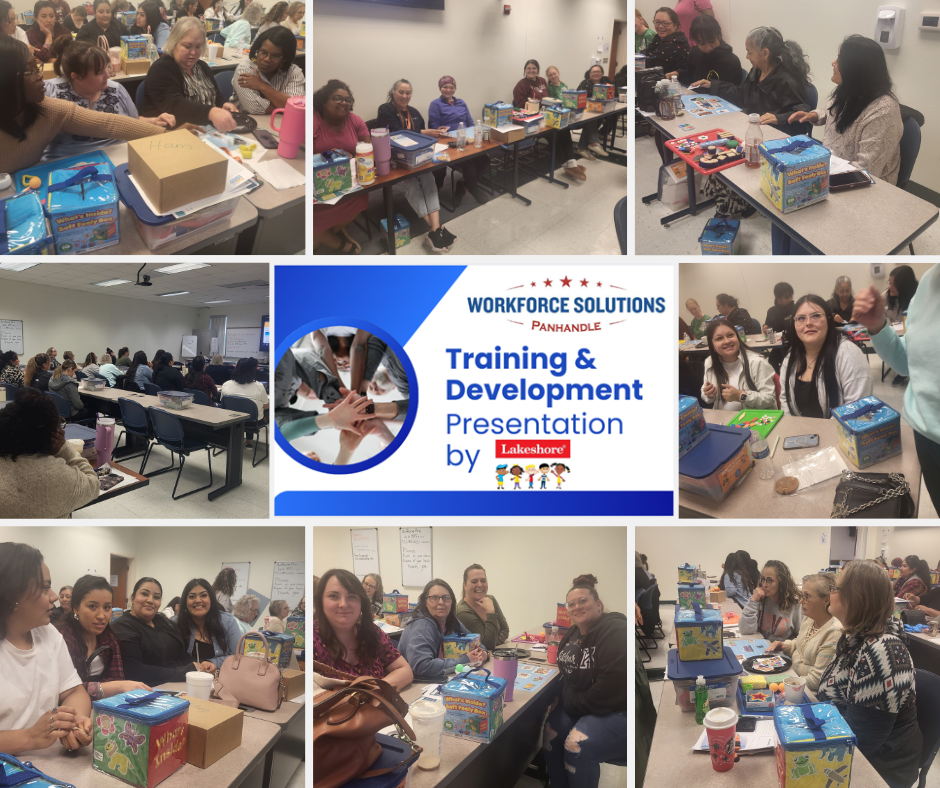
Workforce Solutions Panhandle hosted a training in Pampa in conjunction with Lakeshore at the Clarendon College Pampa Center in April. A special thank you to Dean Davis and his staff for the wonderful hospitality. Topics covered were Keeping Children Safe and Healthy and Cultivating Curiosity by Being a Partner in Play. Attendees received learning materials to take back to their classrooms to support the training provided. Included was a lunch time training from Child Care Regulations over Summer Safety. All the rain and tornadoes didn't stop this group from showing up and participating!
|
|
|
If your Early Learning Program has Spotlight worthy news, please submit the information to Cynthia Hixon at chixon@wspanhandle.com
|
|
 |
|
If your Early Learning Program needs assistance with resources or business supports, please contact me Cynthia Hixon, Child Care Industry Support Specialist and I will do my best to get the information you need. I can be reached Monday to Friday 8 am to 5 pm and my office is at Workforce Solutions, 3120 Eddy St., Amarillo, TX 79106 my direct line is 806-350-1722 or via email at CHIXON@wspanhandle.com.
|
|
|
To schedule a meeting or a visit with me click the button below.
|
|
|
This document contains vital information about requirements, rights, determinations, and/or responsibilities for accessing workforce system services. Language services, including the interpretation/translation of this document, are available free of charge upon request.
Este documento contiene información importante sobre los requisitos, los derechos, las determinaciones y las responsabilidades del acceso a los servicios del sistema de la fuerza laboral. Hay disponibles servicios de idioma, incluida la interpretación y la traducción de documentos, sin ningún costo y a solicitud.
|
|
|
Workforce Solutions Panhandle is committed to Keeping the Texas Panhandle Working!
Workforce Solutions Panhandle assists employers and job seekers throughout our 26-county region, and partners with the Texas Workforce Commission to provide the largest job-matching database in the State of Texas.
Workforce Solutions Panhandle is overseen by the Panhandle Regional Planning Commission (PRPC), the fiscal and administrative agent for workforce development programs and services provided to employers and job seekers in the Texas Panhandle.
Learn more about the services we offer on the What We Do Page, or by visiting a relevant section of our website for employers, job seekers, or for child care assistance.
Auxiliary aids and services are available upon request to individuals with disabilities. Equal Opportunity Employer/Program. Deaf, hard-of-hearing or speech impaired customers may contact: Relay Texas: 800-735-2989 (TDD) and 711 (Voice) Equal Opportunity is the Law
|
|
|
|
|