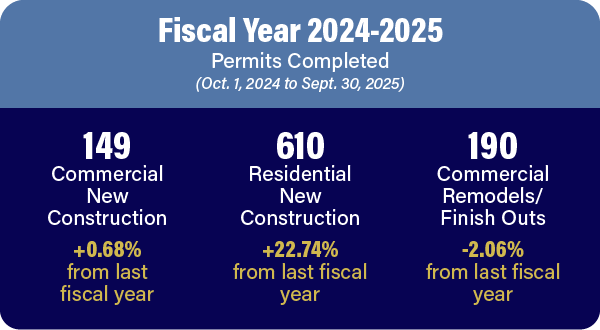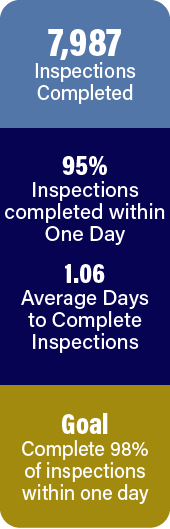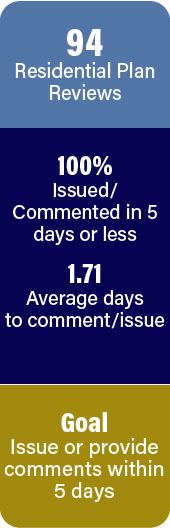
We are pleased to announce Gary Davis as the new Building Official for the City of Waco! Gary has played a key role for the City of Waco, leading plan review, permitting, inspection oversight, and coordination with developers, contractors, and residents for almost 20 years. Upon joining the City in 2006, Gary brought nearly 30 years of experience in drafting plans.
His deep knowledge of building processes and commitment to public service make him a valuable addition to our leadership team. We look forward to the expertise and insight he brings to this role and the continued progress we will achieve together.
|

 The adoption of the following codes, with amendments, is scheduled to appear before City Council on November 4 for a second reading. If passed, these changes will take effect on January 1, 2026.
- International Property Maintenance Code, 2024 Edition
- International Building Code, 2024 Edition
- International Residential Code, 2024 Edition, including appendices BB, BD, BO, and NE
- International Plumbing Code, 2024 Edition, including appendix E
- International Mechanical Code, 2024 Edition
- International Fuel Gas Code, 2024 Edition
- International Fire Code, 2024 Edition, including appendices B, C, D, F, I, K, N, and O
- International Existing Building Code, 2024 Edition
- International Swimming Pool and Spa Code, 2024 Edition
The proposed amendments include changes to Sections 6-26 through 6-33, 6-35, and 6-36 of Article II of Chapter 6 "Building and Building Regulations" and Sections 10-20 and 10-21 of Article II of Chapter 10 "Fire Prevention and Protection" of the City's Code of Ordinances.
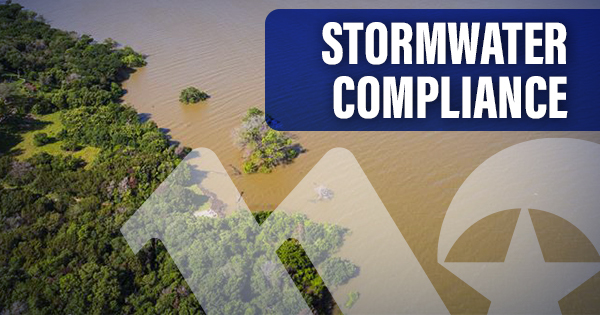 All pollutants have one thing in common: they are infinitely patient. It has been close to a month since we had rain in Central Texas and all those pollutants have been accumulating over that time. Help us protect our local waterways. Follow these tips to reduce harm to the Brazos River and Lake Waco.
Concrete Wash-Out Water is Prohibited
Concrete wash-out water is the wastewater generated from cleaning concrete trucks, mixers, pumps, or tools. It is a prohibited discharge because stormwater runoff can carry these pollutants through our storm sewer system directly into surface water bodies like the Brazos River and Lake Waco without any treatment.
The Texas Pollution Discharge Elimination System (TPDES) Construction General Permit prohibits concrete washout without proper controls in place. Any discharge of concrete production wastewater to surface water in the state must be authorized under a separate TCEQ general permit or individual permit.
Watershed Protection Best Practices
-
Discharge Prohibited: Concrete truck washout water must not be discharged to surface water or storm sewers.
-
On-Site Disposal: Washout water must be disposed of on-site in areas with structural controls to prevent runoff.
-
Structural Controls Examples: May include berms, shallow lined pits, storage tanks, or other measures to contain washout.
-
Rainfall Precautions: Minimize washout during rain; discharges are prohibited at all times, including during stormwater runoff.
-
Groundwater Protection: Disposal must not cause or contribute to groundwater contamination.
-
Storm Water Pollution Prevention Plan Requirement: Designated concrete washout must be identified on the site map.
|