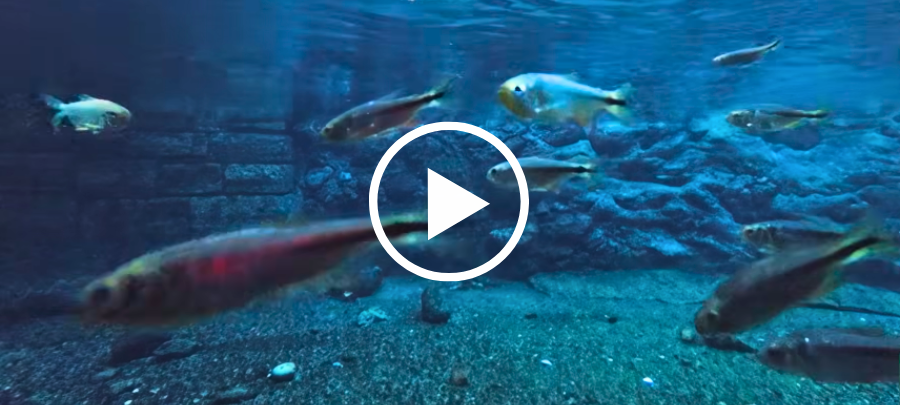
 Balmorhea State Park has one of the largest spring-fed pools in the world. If you visit this desert oasis, bring along snorkeling gear and go swimming with the aquatic life that calls the pool home. See what it's like to take a dip in cool, spring-fed waters in our video Balmorhea Pool. If you want to visit Balmorhea, or any of your Texas state parks, get your day pass early to avoid disappointment later.
Provide Water for Wildlife
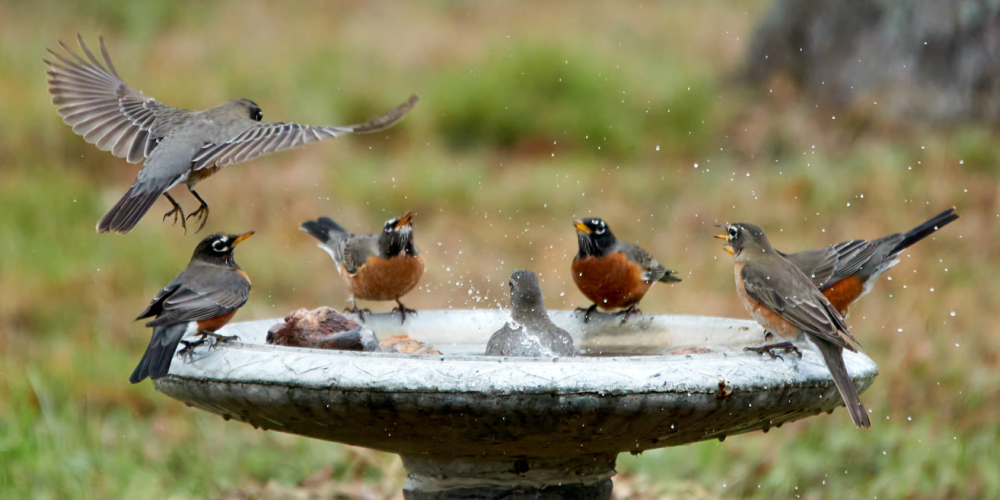 American Robins
Water is life during our Texas summers. Provide wildlife with at least one large plant saucer or other shallow container with 2 to 3 inches of clean water. This helps them hydrate and cool off. Refill your container daily, clean it weekly, and refill just before dark for owls and other nightlife.

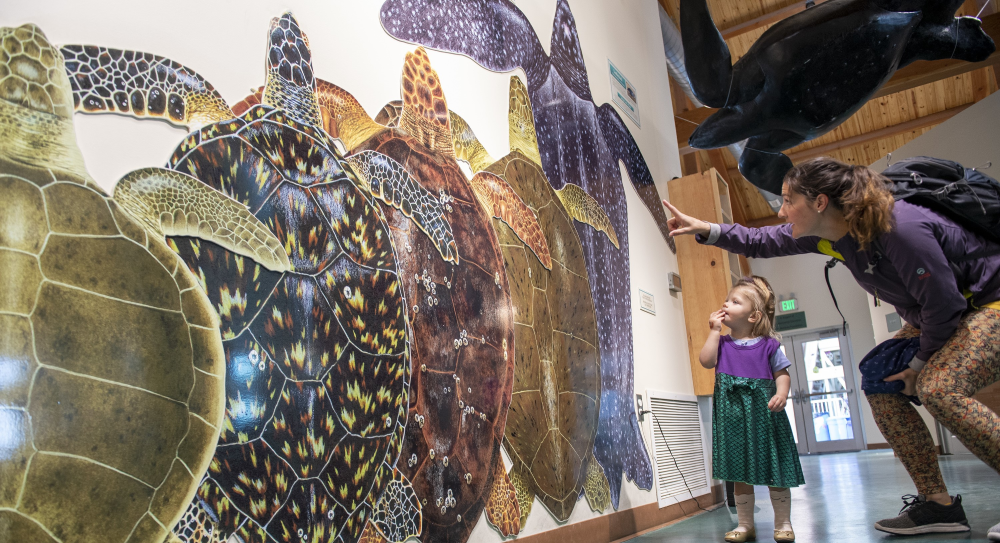 The 5 species of sea turtles found along the Texas coast
Five species of sea turtles are found along the Texas coast: Kemp's ridley, green, loggerhead, hawksbill and leatherback - all are endangered or threatened. Texas Parks and Wildlife Department has recently taken on the role of state coordinator for the Texas arm of the Sea Turtle Stranding and Salvage Network (STSSN).
The STSSN is several organizations that respond to and rehabilitate stranded sea turtles. We will work to support these organizations while continuing to partner in sea turtle conservation and recovery efforts. Find out more in our press release TPWD Hosting Role of State Coordinator for the Sea Turtle Stranding and Salvage Network. To report a turtle in distress, call 1-866-TURTLE-5 (866-887-8535).
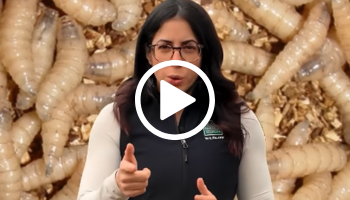
If you see live maggots on a live animal, immediately report the sighting and do not move the animal. It may be infested with New World Screwworm (NWS).
NWS are flies that lay eggs in open wounds and moist body parts of live mammals. The eggs hatch into maggots that feed on living tissue. They kill the animal if left untreated. The first case of NWS in Texas was found on a calf on June 3, 2026.
Stay informed with our situational updates and watch our video short New World Screwworms.
|
A kettle is a flock of raptors or vultures circling together as they ride columns of rising air called thermals. It's thought they do this to avoid flapping their wings, which saves energy during long flights.
|