Our Wild Texas — May 2026

View as a Webpage
NEW cream header CIS version

Pet Tortoises Reclaim Their Place in the Wild

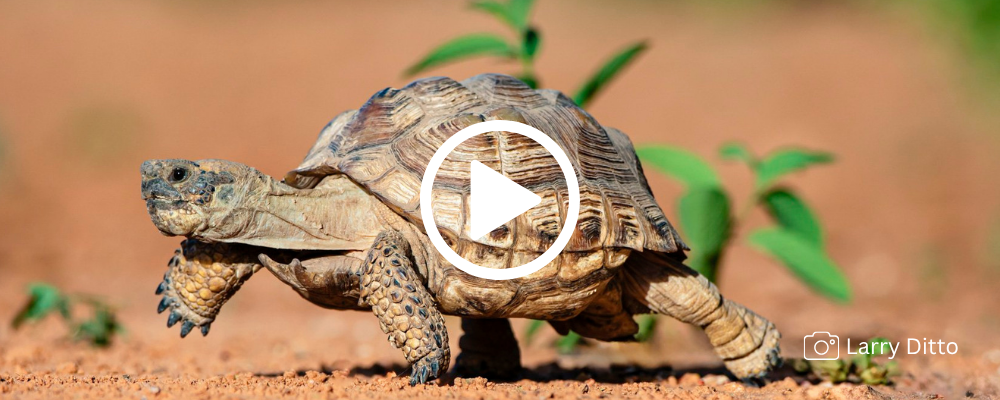
Texas tortoise walks on red earth, video link

Texas tortoise

Our only native tortoise is the Texas tortoise. They are illegal to possess and can live more than 50 years. So we let tortoise owners in Laredo know that if they gave us their pets, we'd help the tortoises learn to live in the wild again.

The people of Laredo loved the idea, and we took in 180 tortoises (video), the maximum allowed with our available resources. It was an emotional scene, with folks in tears and praying over their pets. The tortoises are expected to be freed this fall. Read  about their journey in the Texas Parks & Wildlife magazine story The Great Tortoise Turn-in.

If you see a Texas tortoise in the wild, do not touch it — report it to the iNaturalist project Herps of Texas. To learn more, watch our video How to Recognize a Texas Tortoise.
Chill Out Video: Fox and Flowers

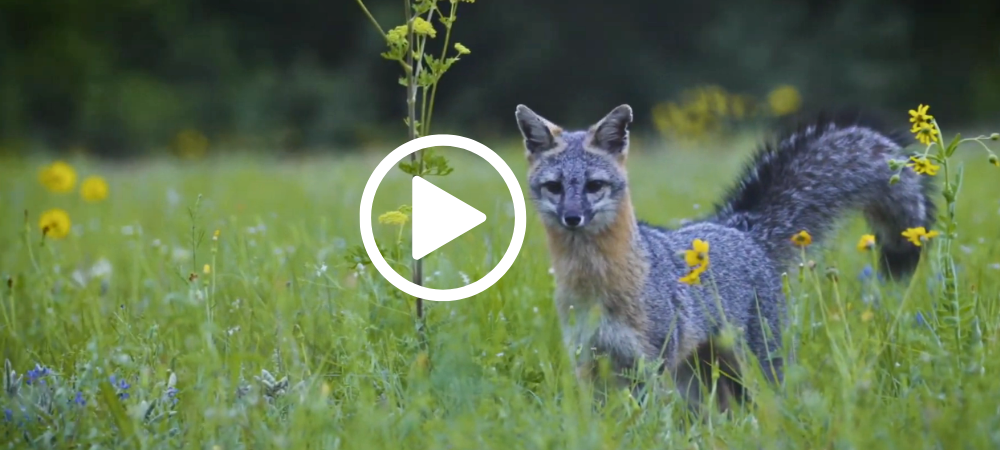
Fox in wildlflowers, video link

Gray fox

Our world-famous wildflowers are giving us eye-popping displays this year. Different flowers will rotate in and out through fall, supporting butterflies and other pollinators. See if you can I.D. any flowers in our video using this list of common wildflowers. They also create stunning settings for watching and photographing wildlife — like this gray fox

Fox and Flowers video

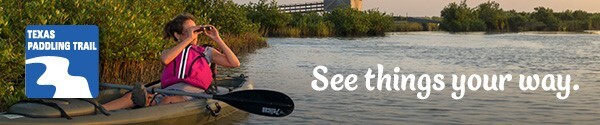
Paddler looking at wildlife through binoculars, link to paddling trails website

Proposed Wildlife Rehabber Rules Changes

Rehabilitation of wildlife requires technical knowledge and skills not easily learned without hands-on training and the aid of experienced mentors. Current rules for receiving a wildlife rehabilitation permit do not reflect those needs. We’re proposing changes to permit requirements that include practical training, mentor support and supervision tied to experience. This is critical before potential rehabbers are empowered to care for vulnerable wildlife. Other changes are also being considered.

We’ve considered revisions to original proposed permit changes based on feedback we’ve received from wildlife rehabilitators. For more information, see 2026 Proposed Changes to the Wildlife Rehabilitation Permits, which includes changes to the proposal since it was presented in March 2026.

We also invite input from the public via our comment portal through 5 p.m. May 27. The TPWD Commission plans to vote on wildlife rehabilitation permit changes on May 28.
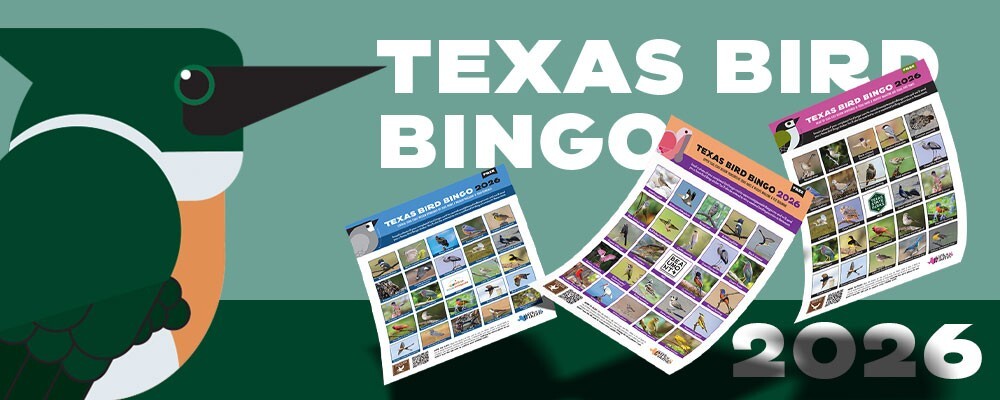
Try Your Hand at Bird Bingo

kingfisher graphic with bird bingo cards, link

Texas Bird Bingo (TBB) is back! A little different from traditional bingo games, you have to see a bird to be able to mark it off your card. Print out any of the 14 cards, grab a pen, and you're ready to play. All you need is 5 birds in a row and BINGO!

Every person who completes a bingo is eligible for a free TBB sticker. Even better, two lucky entries will receive a half-day Hill Country birding excursion, courtesy of Busy Birding! Find out more about TBB in the Texas Parks and Wildlife magazine story Third Annual Bird Bingo Contest Begins.

Looking for a new spot to go wildife watching? TBB regions align with our Great Texas Wildlife Trails — free maps to areas good for wildlife viewing all over the state. Good luck!

Tips to Help Prevent Bird-Window Collisions

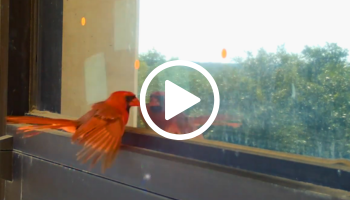
Cardinal bird at window, video link

Warning: video contains images of deceased birds

Birds don't recognize glass. They see reflections or see through it. Upward of a billion birds die from glass collisions in the U.S. each year. 

3 ways to help birds avoid collisions:

  1. Add stick-ons to windows. 
  2. Add screens to the outside of windows.
  3. Turn off unneeded lights and use light timers or motion sensors.

Check out more cost-effective ways to make your windows bird-safe

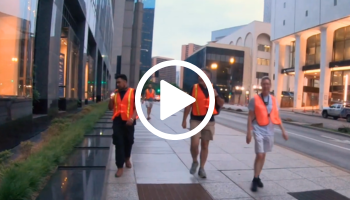
3 people in orange vests search for birds in city, video

Warning: video contains images of deceased birds

Tall, glass-walled buildings can be major hazards, especially during fall and spring migration. Lights Out for Birds — Collision Monitoring is a volunteer-based monitoring program. It involves walking a specific route and noting deceased or stunned birds.

To participate, reach out to your local Texas contact (scroll to find) for more information.

The goal is to encourage urban centers with thoughtful lighting and design that won't harm birds. 

A message from our non-profit partner Texas Parks & Wildlife Foundation:

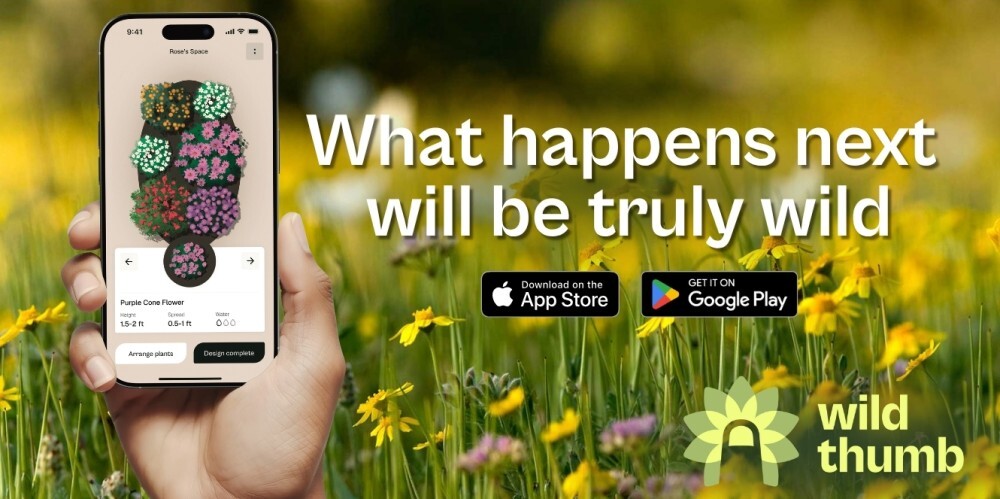
Let’s Grow Wild with TPWF’s Wild Thumb App

Wild Thumb app, link

Turn any space into a pollinator paradise with Texas Parks and Wildlife Foundation's (TPWF) free Wild Thumb app — the only native planting app made just for Texas! Wild Thumb offers an interactive design tool, detailed guidance, and more. Developed in collaboration with professional botanists and the Native Plant Society of Texas, Wild Thumb takes the guesswork out of creating an outdoor space that’ll have pollinators making a beeline for your yard!  

With 25,000+ downloads and 15,000+ active projects created by users since its launch, join the many Texans who are growing native plants to help pollinators thrive. Download Wild Thumb today!

It’s all part of TPWF’s Pollinators & Prairies program, with support from Presenting Sponsor H-E-B through their Our Texas, Our Future commitment and Contributing Sponsor Phillips 66.

Proposed Changes to Mountain Lion Rules

We're seeking public comment on a proposed rule requiring the reporting of harvested mountain lions. This rule would allow us to collect data about these big cats to better track their populations. Find more information in our press release.

We encourage public comment about the proposed changes through 5 p.m. May 27. Use our comment portal or email Jonah Evans at jonah.evans@tpwd.texas.gov. The TPWD Commission plans to vote on proposed changes to mountain lion harvest reporting on May 28.

Definitions: Tortoise Vs. Turtle

All tortoises are turtles, but not all turtles are tortoises. Tortoises are a type of turtle that lives exclusively on land, while most turtles live in or near water. 

Another way they differ is that tortoises have short claws for digging, while aquatic turtles have flippers or webbed feet with long claws. Find out more in our magazine story Is It a Tortoise or a Turtle?

A message from our sponsor:

Toyota 4Runner ad, link

Messages from Texas Parks & Wildlife magazine advertisers:

Visit El Paso, link

San Antonio Zoo, link

Visit Palestine, Texas in spring, link

Our Wild Texas is made possible in part by the generous support of Toyota.

Toyota

Did someone forward this email to you? Subscribe now ⁠— it's free!