It’s the Final Weekend of the Texas Pollinator BioBlitz – Celebrate Bees, Beetles, Butterflies & Bats!
Welcome to the final weekend of the 10th Annual Texas Pollinator BioBlitz!
We’ve spent two inspiring weeks celebrating the incredible diversity of Texas pollinators. As we wrap up, we’re shining a spotlight on four of the best-known (and best-loved) groups: bees, beetles, butterflies, and bats!
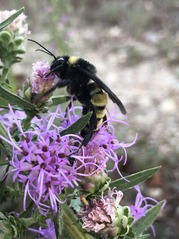
Buzz into the fascinating world of bees—the planet’s most essential pollinators!
One of the most recognizable species in Texas is the American Bumble Bee (Bombus pensylvanicus). Once common across much of the U.S., its population has declined by about 25%. Texas remains a stronghold for this species—your observations matter!
Help scientists track bumble bees and other native bees by sharing your photos on iNaturalist through the Bees and Wasps of Texas project.
|
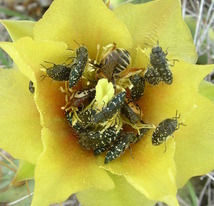
Beetles are the world champions of diversity, with nearly 30,000 species in North America alone! These ancient pollinators have been visiting flowers for over 150 million years, long before bees even evolved.
Want to dig deeper? The Xerces Society offers information on beetles as pollinators as well as fascinating resources on these unsung heroes of pollination.
|
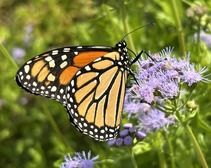
The BioBlitz always coincides with monarch migration, one of the most magical natural events in Texas. Learn more about monarchs through Monarch Watch, and track their journey across the continent with Journey North.
Did you know Texas is home to more than 400 butterfly species, the most of any state? Many of these butterflies also travel great distances during fall migration. Keep your eyes open for their colorful flights!
|
Take a Daily Challenge
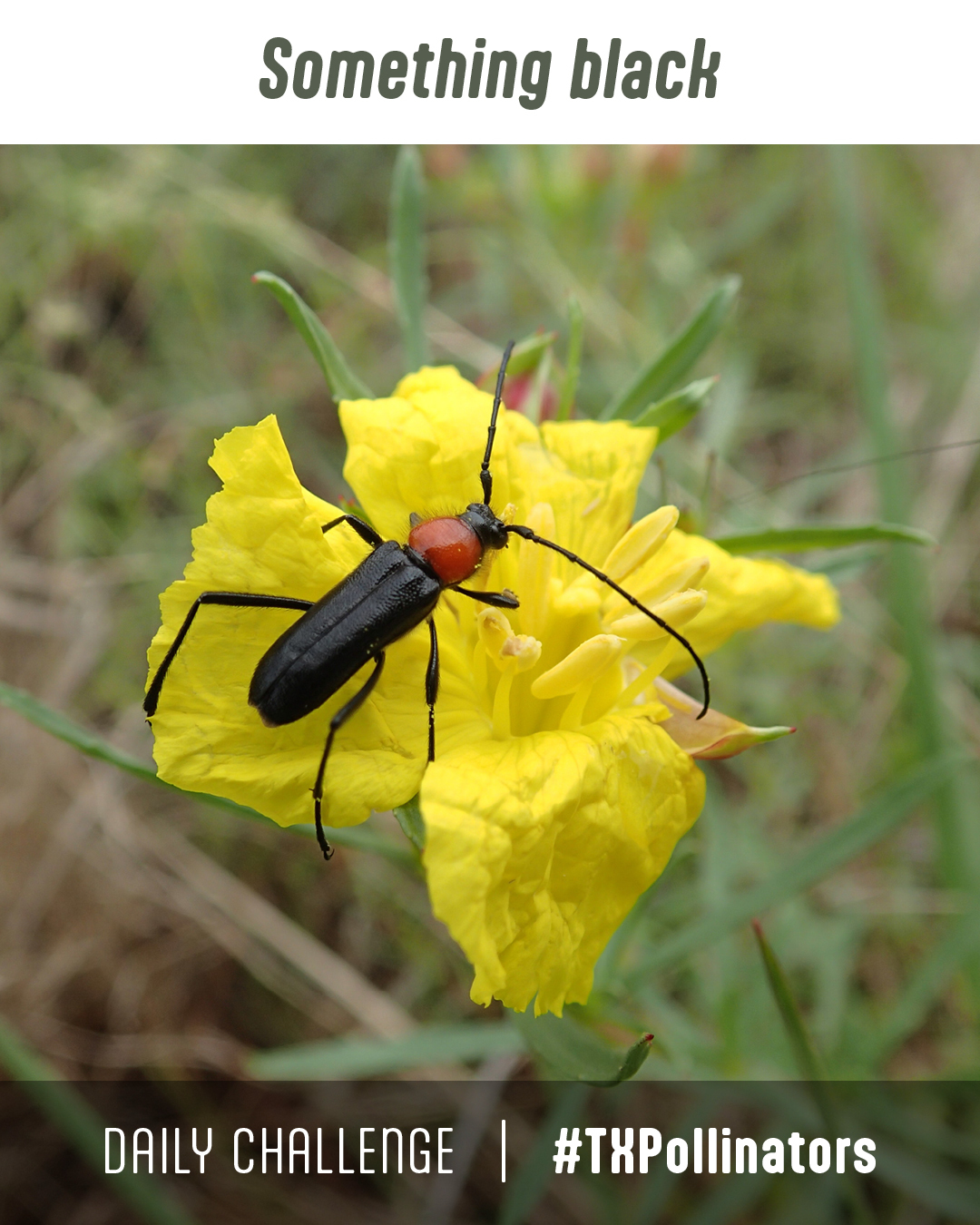 Keep your camera ready and your eyes open! Post photos or videos of any pollinators you spot. If you’re looking for inspiration, try one of our Daily Challenges, but don’t worry about timing. Share your shots whenever you find your pollinator moment!
Let’s close out the 10th Annual Texas Pollinator BioBlitz by celebrating the bees, beetles, butterflies, and bats that make Texas bloom.
Pollinator Information Center
Explore more pollinator stories and tips:
Pollinator BioBlitz – How to Participate

Observe: Be on the lookout for pollinators. Learn more about pollinators online and photograph pollinators you see.
Find Events: Use our calendar to find pollinator events near you!
Spread the Word: Share the importance of pollinators by posting your images to Instagram and/or Facebook with #TxPollinators.
Contribute to Science: Post your images of pollinators and flowering plants to iNaturalist from Oct. 10-26 to be automatically included in the 2025 Texas Pollinator BioBlitz project.
Join the iNaturalist project to follow along with what is being seen around the state. Attempt to identify your pollinator to any level you feel comfortable (general name, species name, etc.). Biologists will often help verify or identify your submissions. You can also use the "view suggestions" option under "What did you see?" and iNaturalist will offer possible options for your image. iNaturalist offers tips on how to submit observations in these videos.
|

|