In This Issue:
By Adam Comer, TPWD Aquatic Education Manager
As another summer winds down, I hope 2025 has provided all the chance to enjoy the outdoors with friends and family. This year, I’ve been fortunate to throw a line in the water in Florida, Arkansas, and nearby and often overlooked - San Antonio River Walk.
The Angler Ed program continued to reach communities across Texas, thanks to our passionate volunteers and dedicated staff. The Angler Ed Team hosted two Area Chief Training Meetings, separated by 650 miles.
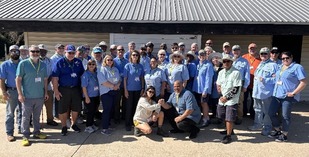
The February 8th Area Chief Training Meeting at Lake Somerville State Park was attended by 35 Area Chiefs, including 6 new Area Chiefs. The training incorporated roundtable discussions, Area Chief led presentations and a history of the park by Superintendent, Thomas Milone.
|
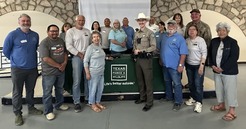
The April 29th & 30th Area Chief Training Meeting at Ascarate Lake Park in El Paso was attended by Area Chiefs with the Ascarate Fishing Club. A local game warden spoke to the group and training activities included strategic planning discussions and a review of best practices and policies.
|
Big updates are coming to the online TPWD Volunteer portal and we’re very excited! Along with a revised “look and feel”, searching for volunteer opportunities on the TPWD website will be easier and more program specific. Additionally, new features will accompany the update, providing Angler Ed volunteers with an improved supply order and volunteer request experience and a more streamlined volunteer onboarding process.
Hope to see you by the water soon,
Back to Top
|
By Jamie Bradlee, TPWD Volunteer Angler Education Instructor and Scouting America Certified Angler Instructor
In early June, Cub Scouts and friends from across the Greater Fort Worth Area attended the 2025 Cub Camp Fort Worth hosted by the Trinity Trails and Lonestar Districts, and this year fishing skills were added to the summer fun curriculum!
|
|
 |

Utilizing the educational resources of TPWD, Volunteer Angler Educator Instructors Jim Bratton (Area Chief) and Jamie Bradlee prepared Cubs to complete their fishing adventures with their packs. Scouts learned about basic casting and accuracy with Backyard Bass; native Texas freshwater fish and their habitats; planning a fishing adventure; knot tying; and most importantly SAFETY!
|
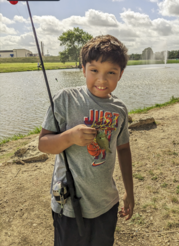
In the following weeks, Cub Scout Pack 554 from Crowley, and Pack 3 from Saginaw held fishing adventures with TPWD volunteers so Cubs and friends could try out their new skills! Two cubs who caught their first fish ever, earned their First Fish certificates!
Scouting America’s recent emphasis on fishing skills has led to increased interest and training, including the Angling Educator and Certified Angler Instructor Programs.
|
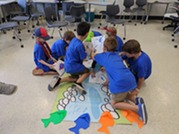
What's an Angling Educator?
The program is designed to give a student who has never fished, the skills and knowledge, both practical and ethical, to go to a pond and be immediately successful.
|
Certified Angling Instructor Program
Learn more about Scouting America’s Certified Angling Instructor program, which trains leaders to execute fishing programs at the local council level.
All instructors maintain a focus on providing enhancements to your fishing program and serving our Scouts.
|
Photo credits - Jamie Bradlee
Back to Top
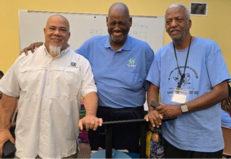
By Greg Akins, TPWD Aquatic Education Training Specialist - Houston
The Glenn Miller Ag. Science Conservation Camp was started in 2015 by Mr. Michael Thomas.
|
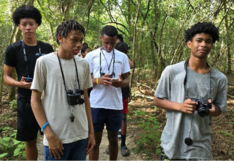
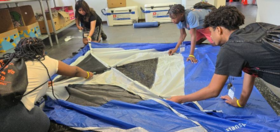
The purpose of the camp was engaging youth in the Ag. Science Fields: Biology, science, water sciences, fish management, and organic gardening, as well as developing outdoor recreation skills: Angler Education, Boater Education, Archery and kayaking.
|
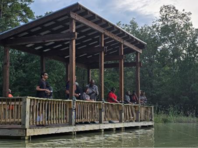
The week-long camp provides youth with immersive experiences, professional speakers, peer mentors and hands on activities. Through a variety of activities, the camp helps youth learn the importance of supporting wildlife with conservation efforts.
|
These activities create a well-rounded young person with various opportunities to find an interest in the sciences of these awesome creatures. The purpose of providing these experiences and community is to cultivate a mindset of conservation in all youth, in all communities, to help prepare them for generations to come. |
|
 |
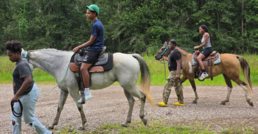
While activities focus on agriculture, conservation, and science, participants learn valuable life skills that will help them in all aspects of life and in any future career they choose. We look forward to reaching out to many more youth though our Ag. Science Conservation Camp.
|
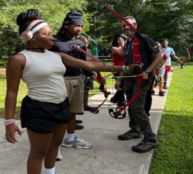
To apply for camp, students write a 300-word essay as to why they want to attend.
Registration is required online at the website https://ascatexas.org
|
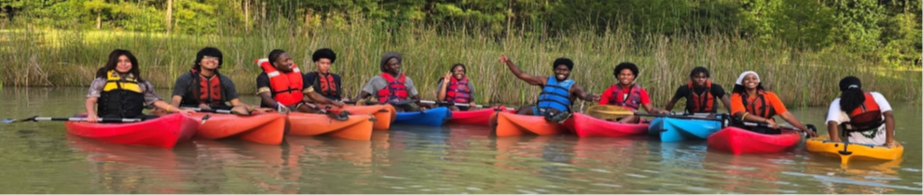 Photo credits - staff
Back to Top
By Natalia Gonzalez, TPWD Aquatic Education Training Specialist for Central Texas
An effective angler education workshop is about more than teaching fishing techniques, it’s about sparking curiosity, building confidence, and creating memorable experiences that connect participants to the outdoors. Engagement is the key to ensuring that learners of all ages walk away with both knowledge and enthusiasm for the sport.
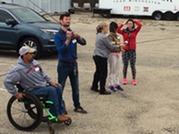
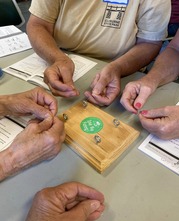
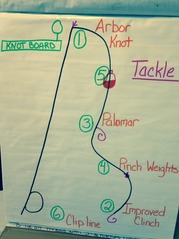
One of the most impactful ways to engage participants is through hands-on learning. Instead of long lectures, ask questions, have everyone respond with a thumbs up or down, incorporate activities where attendees can tie knots, identify local fish species, or practice casting. These moments of participation not only make the workshop dynamic but also reinforce skills through practice. For younger audiences, turning lessons into games—such as a knot-tying relay or fish habitat scavenger hunt—helps keep energy high and learning fun.
|
Storytelling is another powerful tool. Sharing personal fishing stories, conservation successes, or cultural perspectives on fishing allows participants to connect emotionally with the material. When learners see themselves reflected in the stories, they are more likely to feel inspired to continue their own journey in angling and stewardship.
Creating space for questions and discussion further enhances engagement. Encourage participants to share their own experiences, challenges, or local knowledge. This exchange not only validates their input but also builds community within the group. Breaking larger groups into small teams for activities fosters collaboration, creates community and makes learning less intimidating.
|
Finally, framing the workshop around stewardship ensures the lessons go beyond technique. Highlighting the connection between fishing and conservation such as responsible catch-and-release practices or water conservation tips empowers participants to see themselves as caretakers of aquatic environments.
By blending interactive activities, storytelling, and conservation education, angler education workshops can move beyond instruction to inspire lasting passion. The goal is not just to teach fishing but to ignite a love for the outdoors and a commitment to protecting it.
|
Photo credits - staff
Back to Top
By Keira Quam, TPWD Aquatic Education Training Specialist for North Texas
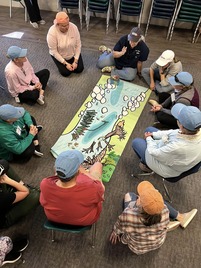
When co-teaching with some of our volunteers, I noticed that many of them didn't feel confident in using the habitat mat. I decided to develop some cards that might give ideas for different situations when using the habitat mat. On our website for instructors, we do have a page on ideas for how to use the mat, but these cards were widely accepted by our Area Chiefs when presented at our recent trainings, so maybe they will help you with your classes!
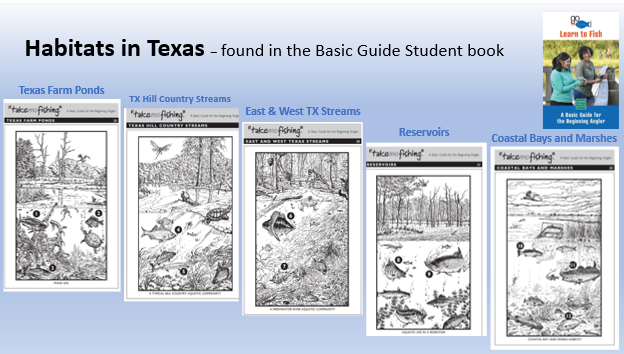
We have a great variety of habitats in Texas. You can find these in our Basic Guide for Beginning Anglers.
|
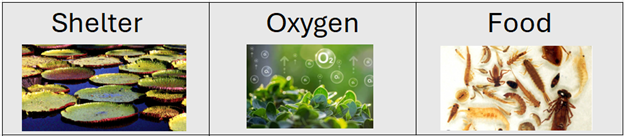
 Of course, the first thing to consider is your audience! Are you teaching youngsters how to fish for the first time? If so, you might talk briefly about where you find fish and where to cast - instead of "out as far as you can". Locating areas were fish find shelter, oxygen, and food might be all you discuss. Sharing that to find these things, many fish can be found along the shoreline instead of out in the middle.
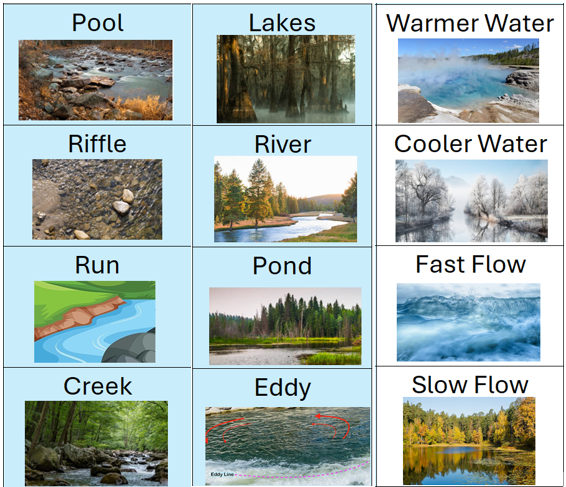
 If you’re talking to a more advanced group, knowing more details about aspects of the elements of water, the effects of seasons, time of day, moon phases, pressure, water clarity and where fish prefer to stay, might give further information about bait and lures to use as well as where to locate fish and cast.
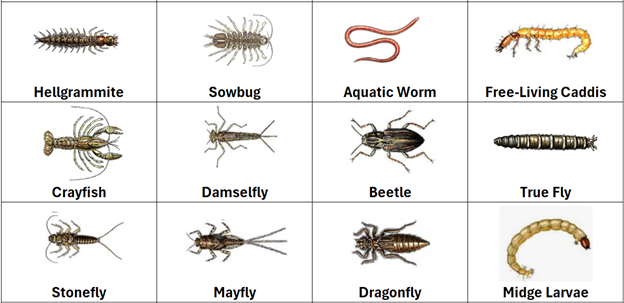
 If you’re teaching a group of fly fishers, including information about macroinvertebrates in the habitat, where and when to find them, as well as what flies imitate each species might be helpful.
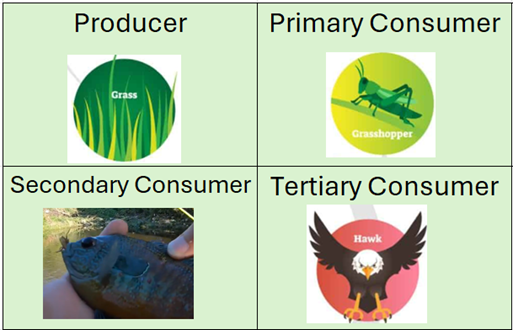
 If you’re teaching a school classroom and want to discuss habitat, using the mat to show examples of the food chain might be your goal.
These are just a few of the "idea cards". They are still being developed and haven't been posted to the website yet. However, they are available for you to use and personalize. Email keira.quam@tpwd.texas.gov for a copy.
Photo credits - staff
Back to Top

By Alexis Sabine, Fisheries Program Manager with Texas Sea Grant College Program
Fishing line can last in the environment for hundreds of years, creating entanglement risks for sea turtles, birds, fish, and other coastal and marine wildlife. As anglers, we can combat marine debris by recycling our single-strand fishing line, keeping it out of the environment.
Texas Sea Grant is excited to announce the launch of our new interactive map for finding monofilament recycling stations across Texas. Simply visit the map to explore the 300 recycling devices, locate a recycling station near you, and help protect our waters and wildlife. Visit the map at Texas Monomap.
The Monofilament Recovery & Recycling Program (MRRP) is a volunteer-led effort that aims to reduce fishing line in Texas' environment through recycling and angler education. The MRRP is made possible by the efforts of numerous partners, including AgriLife Extension, the Texas Master Naturalists, Fishing's Future, Turtle Island Restoration Network, Texas Parks and Wildlife Department, Mission-Aransas National Estuarine Research Reserve, U.S. Coast Guard Auxiliary, Texas Coastal Brigades, National Park Service, and many more volunteers.
For more information and tips for recycling your line, visit Tips for Anglers and Boaters. Know of a recycling device that’s not on the map? Email the coordinates to asabine@tamu.edu.
|
Back to Top
By Keira Quam, TPWD Aquatic Education Training Specialist for North Texas
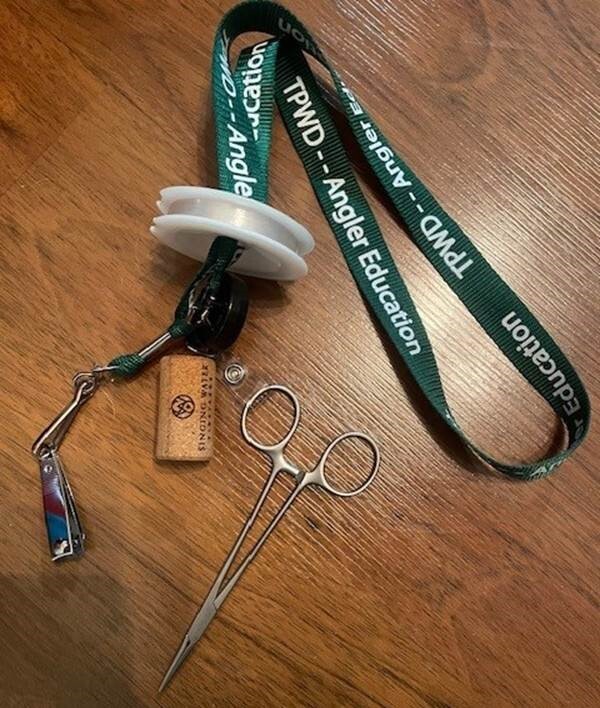
When taking older youth and adults out to fish, I like to try to give them some independence. I have made some fishing lanyards that I loan out during our class. For fly fishing, I have purchased small spools of monofilament line at a local store they can use for tippet. I also have nail clippers, hemostats on a zinger (stretchable cord) and a cork to hold flies as they are changed. For conventional fishing, I can remove the spool of line and the tools are the same. I think this also helps people to realize that fishing doesn't require a lot of equipment to get started.
What ideas for teaching tools do you have? Let us know and we might feature it in our winter Reel Lines!
Photo credit - staff
Back to Top
This year was filled with many fun and wonderful events across the state. TPWD Staff and Area Chiefs (volunteer Train-the-Trainers) trained 251 new instructors from January to June 2025. Go to the website to check out the list, welcome our New Instructors and find one in your area to partner with and teach fishing!
Angler Ed Instructor Certification Workshops
Back to Top
Angler Education Program | Texas Angler Educators Facebook
Learn to Fish Videos | Texas Aquatic Science | TPWD Fishing Information
Volunteer Portal | In Memoriam | Staff Contacts
Angler Education Instructor Workshops, Fishing Events, Fly Fishing Events, Texas Freshwater Fisheries Center, Sea Center Texas
|