Boating is a popular recreational activity, but it comes with inherent risks, including the danger of drowning. By taking proactive measures and understanding key safety practices, you can significantly reduce the risk of drowning and ensure a safer experience on the water.
Key Strategies for Drowning Prevention
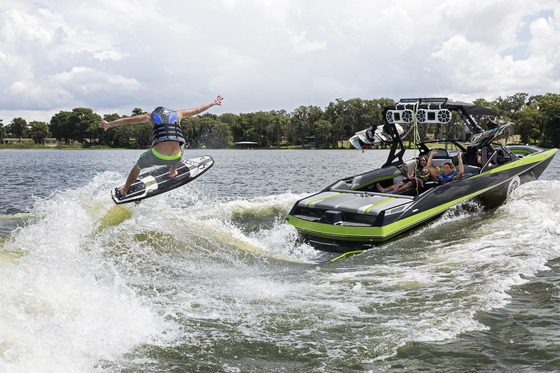
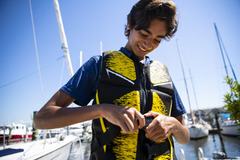
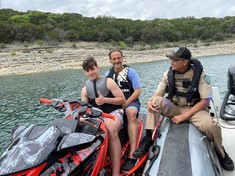
Wear Life Jackets: The most effective way to prevent drowning is to wear a life jacket. The U.S. Coast Guard reports that 81% of boating-related drowning victims were not wearing life jackets. Ensure that everyone on board, regardless of swimming ability, wears a properly fitted life jacket at all times.
Avoid Alcohol and Drugs: Alcohol and drugs impair judgment, balance, and coordination, increasing the risk of accidents and drowning.
Learn Basic Swimming and Water Safety Skills: Knowing how to swim and understanding basic water safety can be lifesaving.
Supervise Children Closely: Children should always be supervised by an adult when near or on the water. Designate a responsible adult to keep constant watch on children around water.
Educate Passengers: Make sure all passengers are aware of safety protocols and the importance of wearing life jackets.
Stay Alert and Vigilant: The boat operator should remain alert and focused on the surroundings.
By following these strategies, you can create a safer boating environment and significantly reduce the risk of drowning. Remember, safety should always be the top priority when enjoying time on the water.