Help Stop Invasive Species
As an angler and someone interested in the health of our rivers, lakes and bays, you can play an important role in making sure invasive species can't spread and wreak havoc on these waterbodies. As a reminder during National Invasive Species Awareness Week (NISAW), here are 4 things you should do to help:
Invasive species are non-native to an ecosystem and can cause environmental and economic harm, as well as impact human health and quality of life. They often grow or reproduce rapidly, helping them to infest large areas and become problematic.
In honor of NISAW, the Office of the Governor has recognized the week with an official proclamation. “Each year, a week is dedicated to raising awareness about the dangers of invasive species,” said Governor Greg Abbott. “At this time, I encourage all Texans to learn more about the steps Texas takes to control populations of invasive species and how all Texans can help prevent their spread. By continuing to be wise stewards of our natural resources, we can ensure a better and brighter future as we build the Texas of tomorrow.” Read our press release for more information.
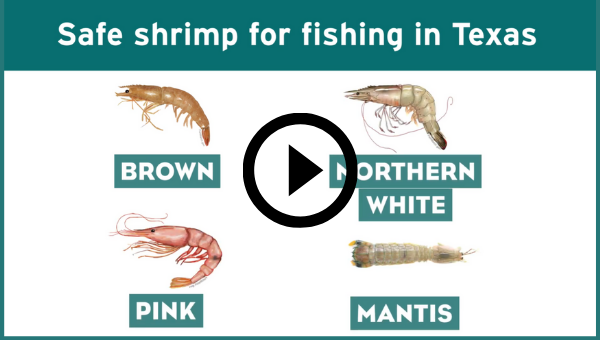
If you fish with bait shrimp, it's illegal to use anything but native shrimp from the Gulf.
Imported shrimp have been found to carry a virus that causes white-spot syndrome, which can quickly kill our native shrimp, crayfish and crabs. It does not affect humans.
Shrimp from any non-Gulf state or any other country is considered imported and cannot be used as bait. Familiarize yourself with common imported shrimp and the 4 acceptable types of bait shrimp. If you buy frozen shrimp, check the origin on the package.
Many people, fish and birds depend on our shrimp, crayfish and crab populations. Don't let an imported virus wipe them out. Pay attention to any bait shrimp you buy – check its origin first.
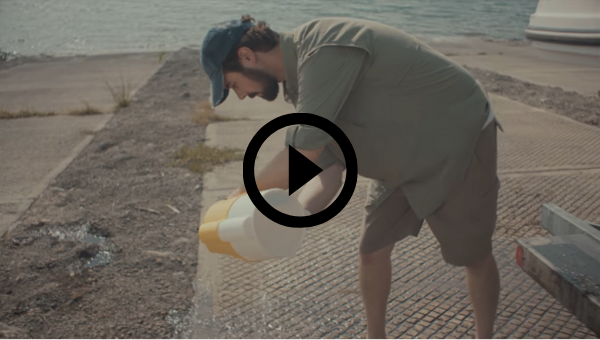
Many highly destructive invasive species like giant salvinia and zebra mussels can be unknowingly spread from lake to lake on boats and gear. You can stop them from hitching a ride with you. Watch this video for how to clean, drain and dry your boat and trailer, as well as your gear like bait buckets and live wells. Love your lakes back – always clean, drain and dry.
If you store your boat in the water on a lake infested with zebra mussels, it likely has mussels attached – even if you can't see them. We urge you to call our 24/7 hotline at (512) 389-4848 before moving your boat to another lake, and we will provide you with guidance and support to reduce the risk of spreading zebra mussels.
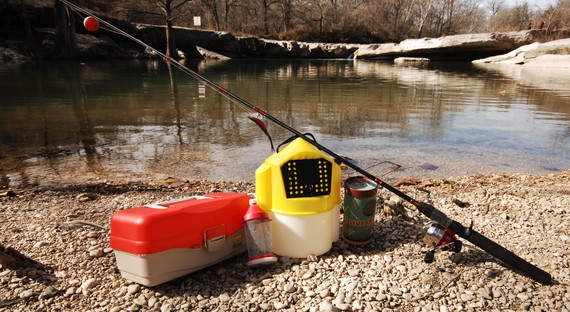
If you catch live bait for your fishing, don't move it from the water body where it was caught. If you purchase live bait from a bait store, keep it in the water you bought it in, and keep the receipt. Once bait comes into contact with lake water, it can only be used on that lake.
Following these guidelines can prevent the spread of zebra mussels whose larvae are invisible to the naked eye and can be transported in lake water, and it can keep fish from being moved outside their native range. In northeast Texas, this will help prevent the unintentional spread of bighead carp or silver carp, which can look a lot like bait fish when they're young.
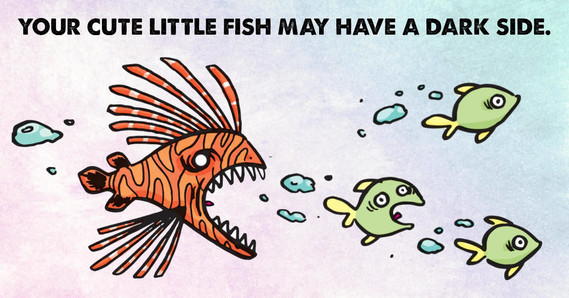
If you're an aquarium owner, never dump your tank into a natural body of water or flush its contents. Dumping anything out of an aquarium – fish, animals (like snails), or plants – can have devastating consequences for Texas' natural waterbodies. There are responsible alternatives for disposing of them.
Recently, invasive zebra mussels have been found in moss balls sold as aquarium accessories. Destroy any zebra mussels by simply freezing, boiling or bleaching each moss ball, then put them into a sealed container and throw the container into the trash.
Learn more about the many invasive species threatening Texas and what you can do to stop them from spreading!
The intentional or unintentional possession or transportation of aquatic invasive species without a permit is illegal in Texas.
|