In This Issue:
Did someone forward this email to you? Subscribe now -- it's free!
A Legacy of Conservation
"Ultimately, all of us...anybody working in conservation, we are fighting for the hearts and minds of people. We may need science to tell us what to do best, but ultimately we only have license if we convince people that what we are doing is meaningful, meaningful to them, and is part of the legacy of their own lives." - Shane Mahoney, Conservation Visions Inc., speaking to the National Bobwhite Technical Committee in 2020.
It was 15 years ago last month that the revolutionary series Planet Earth was first brought into the living rooms of millions around the globe. With stunning images and insights into the natural world, each episode showed us that there was already an answer to the cosmic question, "Are we alone?" Perhaps more appropriately we should be asking, are "we" alone? But beyond the charismatic wildlife that captured our imaginations, were the natural resources that allow our collective lives to flourish, shedding light on the stewardship responsibility we all share.
On March 25th, the U.S. Congress took the step to designate April 2021 as "National Native Plant Month," whereas, "native plants are essential components of resilient ecosystems and our natural heritage," and it is, "Resolved, that the Senate recognizes the benefits of native plants to the environment and the economy of the United States." In doing so they made clear that what we are doing here in Texas is meaningful. That what we are doing here matters and impacts the quality of life of all our citizens. That it is meaningful to them. And that through fostering conservation efforts big and small we might in some way make the natural world so beautifully captured in Planet Earth, a "part of the legacy of -- our own lives."
By: Small Game Program Team
Montezuma Quail Genetics: In Search of Answers
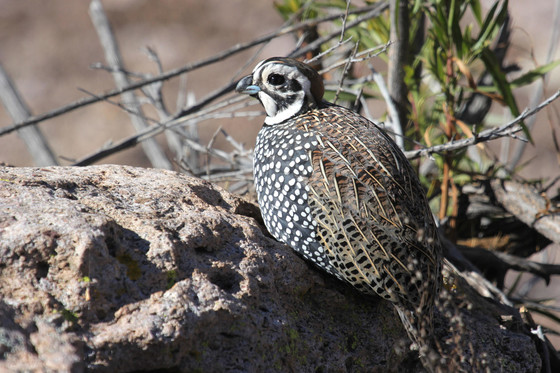 A male Montezuma, or Mearn's, quail. Photo: Nicholas Pederson, Courtesy: Audubon Society
Texas is home to four species of quail. The northern bobwhite, scaled quail, and Gambel’s quail are all hunted species while the fourth, Montezuma quail, is classified as a game bird with no open season. The bulk of the Montezuma distribution occurs in Mexico along the Sierra Madre Mountains extending north into southern Arizona and southwestern New Mexico. There are several isolated populations at similar elevations in southern New Mexico and the Trans-Pecos region of Texas. The most isolated population can be found in the southwestern Edwards Plateau, primarily within a triangle from Rocksprings, Camp Wood and Kickapoo Cavern State Park.
Recent research completed by Purdue University and Sonora State University suggests that populations of Montezuma quail in the mountains of the Trans-Pecos are far less genetically diverse than core populations in Arizona and New Mexico and may be showing signs of genetic erosion. In other words, this population may be growing more susceptible to extinction as the genetic diversity among individuals is lost. Ongoing research based on a larger sample size from the Trans-Pecos (31 birds) lends credence to this troubling hypothesis. However, because of the challenges of tracking and trapping this elusive species, there were not enough DNA samples (3 birds) collected from the Edwards Plateau population to generate a statistically valid genetic assessment.
TPWD and conservation partners are concerned that Montezuma quail in the Edwards Plateau may be the least genetically diverse population and may be “at risk” of deleterious effects (or genetic changes that are harmful to individuals and the population) but more research is needed. For this reason, Sonora State University is continuing with attempts to collect specimens under a scientific research permit in Edwards County. TPWD staff and partners have been reaching out to landowners and asking for permission to collect birds from each potential site. Unfortunately, the DNA needed for this type of analysis must come from heart or muscle tissue, so birds must be harvested with the assistance of trained dogs or by “calling” them in similar to spring turkey hunting using male and female vocalizations. This loss of life is not taken lightly and is considered reasonable for wildlife managers if they can gain a deeper understanding of the needs of the species.
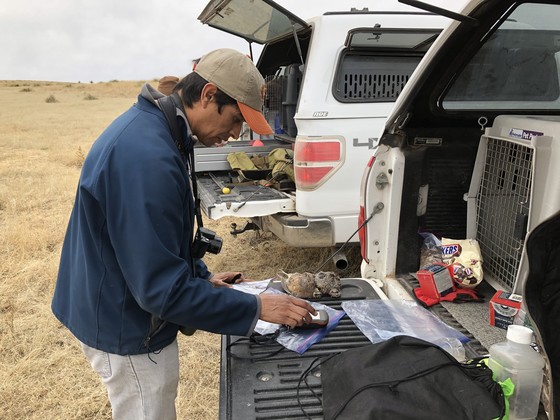 Angel Montoya, U.S. Fish and Wildlife Service biologist, preparing samples from harvested quail.
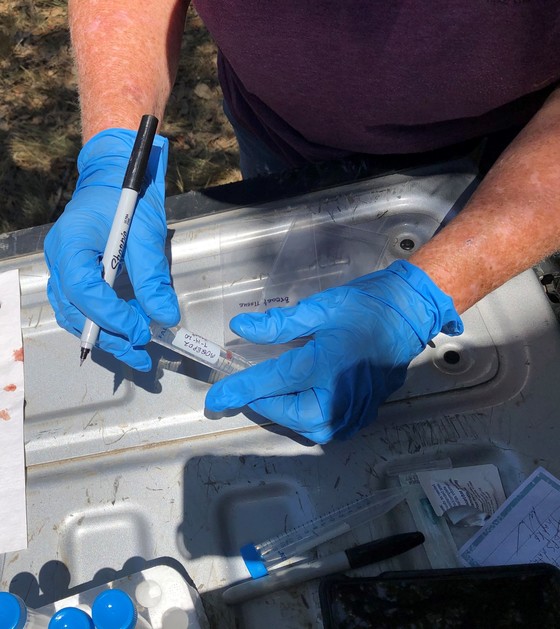 Quail heart and muscle tissue being prepared for genetic analysis.
Importantly, the information gained from DNA samples will help biologists determine the feasibility of using translocations as a genetic rescue/restoration tool in the future. As a complement to restoring habitat within their core range, an infusion of new individuals with diverse genetics could serve as a lifeline for this once abundant species.
We want to thank all the partners and TPWD staff who have contributed to this project thus far. Because these quail are rare, it takes a lot of coordination, planning, and trust to make it happen. We're hopeful the insights from this research will help us learn more about this cryptic and beautiful species.
By: Robert Perez, Upland Game Bird Program Leader
Connecting the Dots: Addressing the Quail Decline in Texas
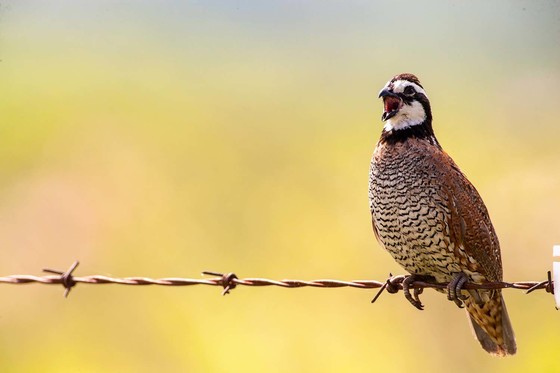 Male northern bobwhite. Photo: Missouri Department of Conservation
Networks are present in almost every aspect of our lives. We interact with (and participate in) many networks throughout our day such as when we deposit a check, call a friend, or surf the web. Networks are at play even when we don’t realize it, such as when our body shuttles nutrients to and from cells during digestion. All these systems—banks, friends, computers, and cells—are examples of networks.
In a technical sense, networks are mathematical structures that map relationships among objects. In networks, objects are represented by nodes and relationships by links (Figure 1). Given that networks are ubiquitous in nature and society, network analysis today plays a role in many disciplines ranging from biology to economics to sociology. More recently, networks have been used in ecology to shed new light on old topics such as food webs, habitat connectivity, and population dynamics.
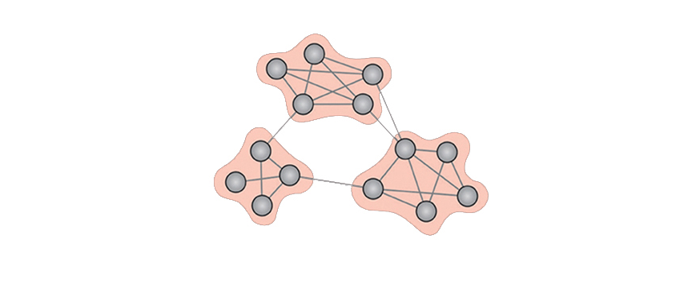 Figure 1. A network is a mathematical structure consisting of nodes (circles) and links (lines) that map relations among objects. Image: Open Source
Systems in nature are comprised of at least three components: habitat, wildlife, and people. Habitat provides the landscape upon which wildlife populations occur, and people manage and influence the landscape and wildlife. Each of these components can be thought of as a network. For example, habitat loss resulting from urbanization, agriculture, and other factors creates a network of habitat patches (nodes), of which some may be isolated or connected by corridors (links). Wildlife inhabiting this landscape will occur as subpopulations located on these habitat patches, with some subpopulations being completely isolated, whereas others may be connected through dispersal of individuals. The people living on this landscape also represent a network, given that some of these people are complete strangers with no relationships whereas others are connected as acquaintances, co-workers, friends, or family.
Although the network perspective has recently gained use in ecology, most networks have generally been studied in isolation as single networks with no connection to others. Such an individualistic perspective is limited because relationships occur not only within networks but also among networks. Studying how information flows within and among networks provides a more holistic view of nature and is termed a meta-network analysis. We propose to use a meta-network approach to link habitat, quail, and human networks into a unified social-ecological network to better understand and address the quail decline in Texas.
The northern bobwhite is a valued and popular game bird in Texas. Unfortunately, its population has been declining across its geographic distribution for at least the past 50 years (Figure 2). Although bobwhites have been studied extensively, most of the research has focused on the species’ ecology, habitat needs, or management, with only a limited number of recent studies focused on the human-dimensions aspect of bobwhite conservation. In addition, studies composing this extensive literature base have occurred in isolation, with little to no integration of the key components (i.e., habitat, quail populations, and stakeholders) and certainly no attempt to view the bobwhite decline as a holistic social-ecological system.
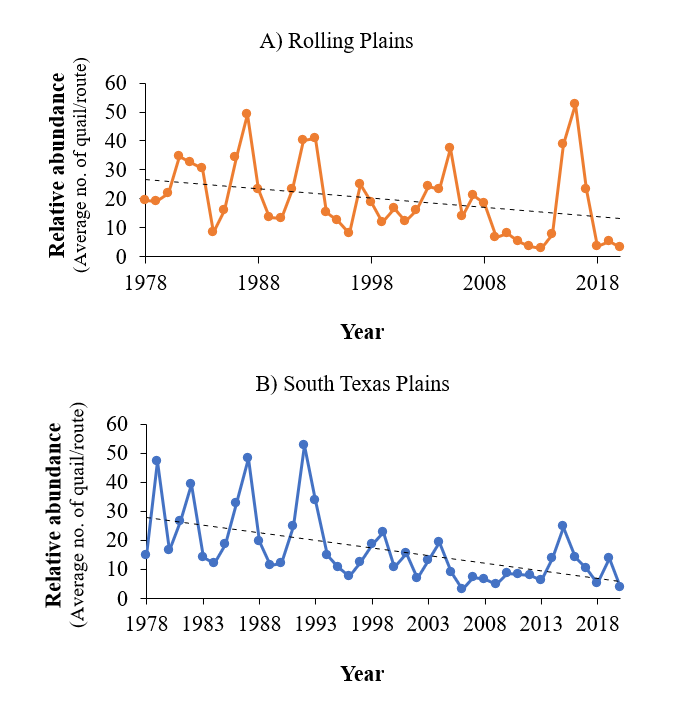 Figure 2. Mean relative abundance of northern bobwhites in the A) Rolling Plains and B) South Texas Plains ecoregions of Texas. Data were compiled from Texas Parks and Wildlife roadside surveys conducted during 1978–2020.
The causes behind the bobwhite decline can be categorized as ultimate and proximate causes. Ultimate causes are those that are ultimately responsible for the decline such as habitat loss and fragmentation. Proximate causes are those that are proximately contributing to the decline such as predators and non-native, invasive plants. Ultimate causes generally operate at large spatial extents whereas proximate causes generally operate at a more local or smaller spatial extent. Texas is considered to be one of the few remaining strongholds of bobwhite populations, yet much variability exists in bobwhite abundance within the state, resulting in much variation in people’s perceptions of the decline.
The goal of our research is to integrate habitat, quail, and stakeholder networks into a single, unified social-ecological system to better understand and address the quail decline (Figure 3). By using a meta-network approach, our objective is not only to better quantify how the landscape may be influencing quail populations and in turn this natural context influencing stakeholder perceptions, but also to identify ecological and social levers that may exist to better address the quail decline.
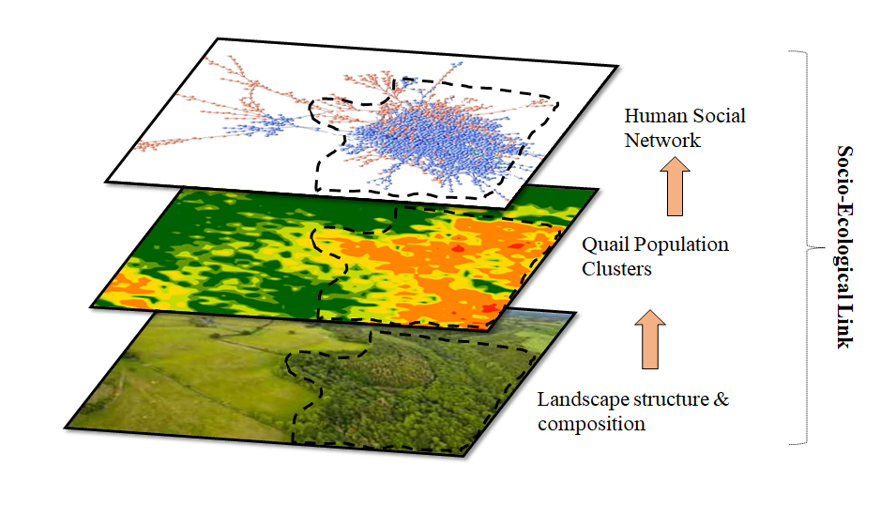 Figure 3. Illustration of how conservation may be viewed as a holistic, socio-ecological system whereby habitat, wildlife, and human networks possess network interdependencies (depicted by dashed polygons) and information flows within and among networks. Image: Open Source
The use of a meta-network approach is advantageous for investigating social-ecological systems, particularly in cases where the species involved evokes strong human emotions, such as gray wolves. Such a meta-network approach is relatively new and growing in application, and we hope our use of it in the bobwhite decline serves as an exploration into the new era of social-ecological network research in conservation.
By: Kristyn Stewart, Doctoral Candidate, Texas A&M University-Kingsville (TAMUK)
*Cooperators include Caesar Kleberg Wildlife Research Institute (TAMUK), Dr. Fidel Hernández (TAMUK), Alejandra Olivera-Méndez (Colegio de Postgraduados, San Luis Potosí Campus México), and Jon Horne (Idaho Department of Fish and Game). Funding provided by TPWD.
Playas and Wetlands Continue to be a Conservation Priority
With about 23,000 playas in the Southern High Plains of Texas, the state is undoubtedly an important place for playa restoration and conservation. Throughout the years, overgrazing, outdated irrigation systems and practices, and erosion have harmed the integrity of many playas within the region. Importantly, these shallow basins of water are the primary source of recharge for the Ogallala Aquifer, the largest of its kind in the U.S.
Playas are interesting in that they're not what people think of as typical wetlands. These unsuspecting depressions recharge the aquifer at a rate of more than 81,000 gallons an acre each year. Notably, the dry-out period is actually the most important part of a playa's lifecycle. Water typically disappears from the landscape in the warmer months, causing large cracks in the clay layer of the playa. When the rain returns, water seeps down through the cracks and along plant roots to be filtered on its way to the aquifer. Vegetation on the surface tends to keep moisture in the soil and supports life, from invertebrates to waterfowl.
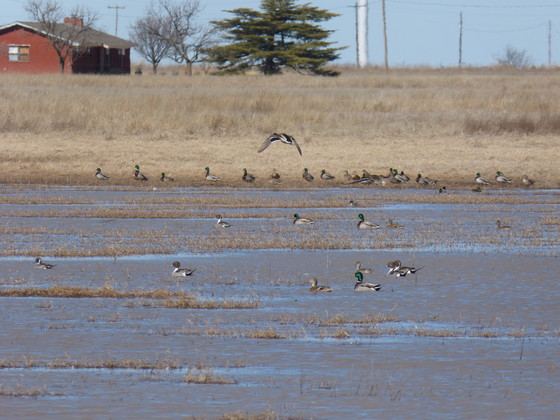 Mallards and northern pintails gather on a West Texas playa. Playas are heavily used by wintering watefowl.
Historically, digging (or pitting/trenching) has been the most significant threat to playas, disrupting the local ecosystem and causing water to pool deeply in one area. This practice prevents the water from naturally returning to and recharging the aquifer. Also, with an impaired capacity to filter water, fertilizers and pesticides from nearby row crops pose a greater risk and may pollute local water supplies and the larger aquifer.
As a solution to this problem, several conservation organizations came together in 2015 to form the Texas Playa Conservation Initiative. The initiative, now in its sixth year, helps producers restore playas on their land by filling in pits and trenches and informs landowners and community members about the importance of these wetlands. So far, 56 projects encompassing 2,418 acres of playas and an equal amount of surrounding grass have been conserved.
“Of course habitat conservation is important and the reason why we do this, but I also think the community of partners — working together and getting people familiar with this type of approach in this landscape — is also important,” said Jeff Raasch, Joint Venture Program Leader for Texas Parks and Wildlife (TPWD). “It’s all of us learning together how to do it.”
Although playa restoration is completed at no cost to the landowner and a one-time incentive payment is provided, it was at first challenging to get people interested and engaged.
“In the beginning, it was a difficult sell because for years landowners had been looking at playas as a hindrance to their operations, whether they were grazing or farming. It was challenging to overcome the negative perceptions about playas and to help producers understand that playa restoration could be a win-win for conservation and their operation,” said Calvin Richardson, Region 1 Director of the Wildlife Division for the TPWD and a member of the Initiative’s Steering Committee.
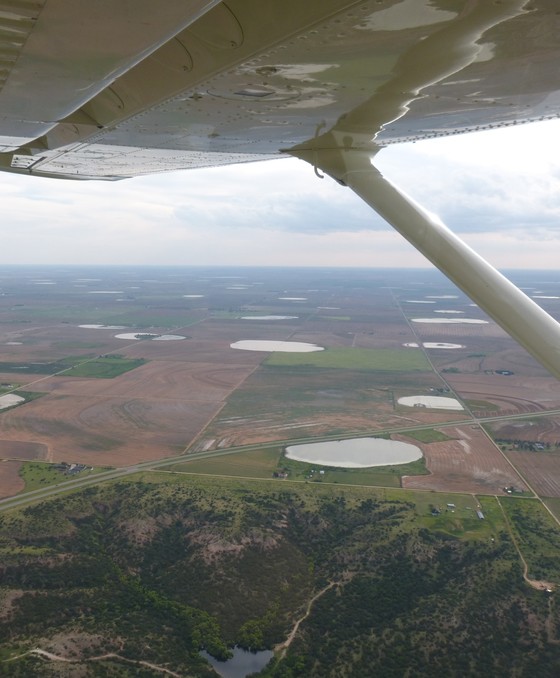 A cluster of playa lakes. Playas provide critical water recharge for the Ogallala Aquifer.
Soon after the Texas Playa Conservation Initiative was chosen as part of Texan by Nature's Conservation Wrangler program in 2018, landowner participation surged. Importantly, field biologists don't necessarily have marketing skills necessary to target this large landscape with such a diverse constituent base. In the partnership with Texan by Nature, TPWD and others have been able to revamp the approach to reaching landowners and participation continues to grow.
While this effort is designed to be a broad partnership and continues to expand and bring in more partners, the initiative is guided by a steering committee comprised of representatives from Ducks Unlimited, Ogallala Commons, Playa Lakes Joint Venture, Texan by Nature, TPWD, US Fish and Wildlife Service and USDA Natural Resources Conservation Service. Much like one of our national mottos, “e pluribus unum,” or “out of many, one,” each partner serves a vital role in advocating for and conserving these critical wetlands for the betterment of Texas landowners. Most notably, these efforts help the many people and wildlife in West Texas who rely on clean and abundant water.
By: Dr. Rachel Fern, Statewide Wetland Program Leader
Stemming Grassland Bird Declines in Texas
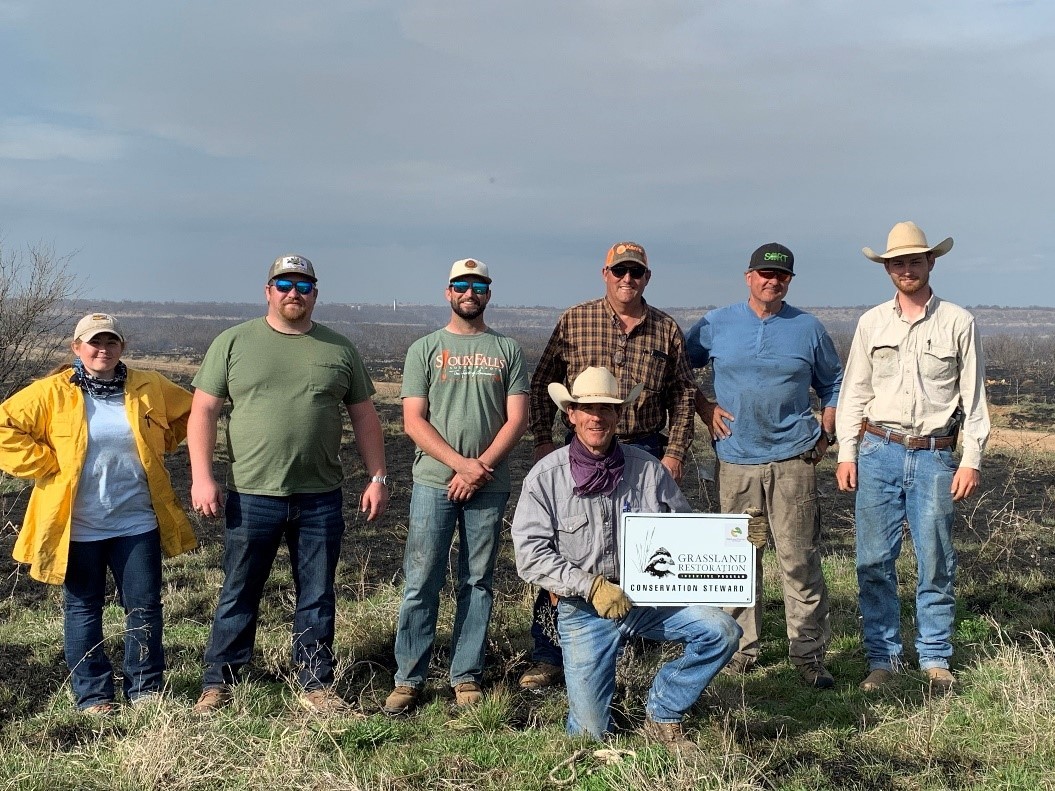 A Texas landowner receives a sign for their completed Grassland Restoration Incentive Program project.
The Grassland Restoration Incentive Program (GRIP) has been going strong for roughly 7 years now. In that time the Oaks and Prairies Joint Venture (OPJV) has put well over 110,000 acres of improved native grassland habitat for northern bobwhites, grassland birds, and other grassland species of greatest conservation need, across eligible counties.
The GRIP program focuses on a select few grassland restoration practices geared for native grassland habitat improvement and restoration. The 5 select practices include: Prescribed Fire, Prescribed Grazing, Brush Management, Range Planting, and Herbaceous Weed Treatment. These practices either directly create or improve native grassland habitat. Additionally, supporting practices including Firebreaks to enable the safe use of prescribed fire and cross fencing to improve prescribed grazing are available as needed.
Paired with other financial assistance programs, the GRIP program provides one more tool for landowners and TPWD to arrest the declines of critically important grassland birds. In the last year, OPJV received Upland Game Bird Stamp funds, revenue generated from upland game bird hunters in Texas, to directly improve over 3,000 acres of native grassland habitat. Practices included the application of prescribed fire, removal of encroaching brush species, and planting of native vegetation to restore fallow fields to excellent grassland habitat.
Critical to the implementation of this program are the biologists in the field. In the last three years, OPJV partners and TPWD staff have increased the use of prescribed fire from ~2,000 acres/year to ~8,000 acres/year in select regions. Prescribed fire is critical to grassland ecosystems, particularly in the Southern Great Plains, and helps maintain native grassland diversity and health. Through efforts to educate and empower landowners on prescribed fire usage, GRIP is providing lift to put more prescribed fire in critical habitats.
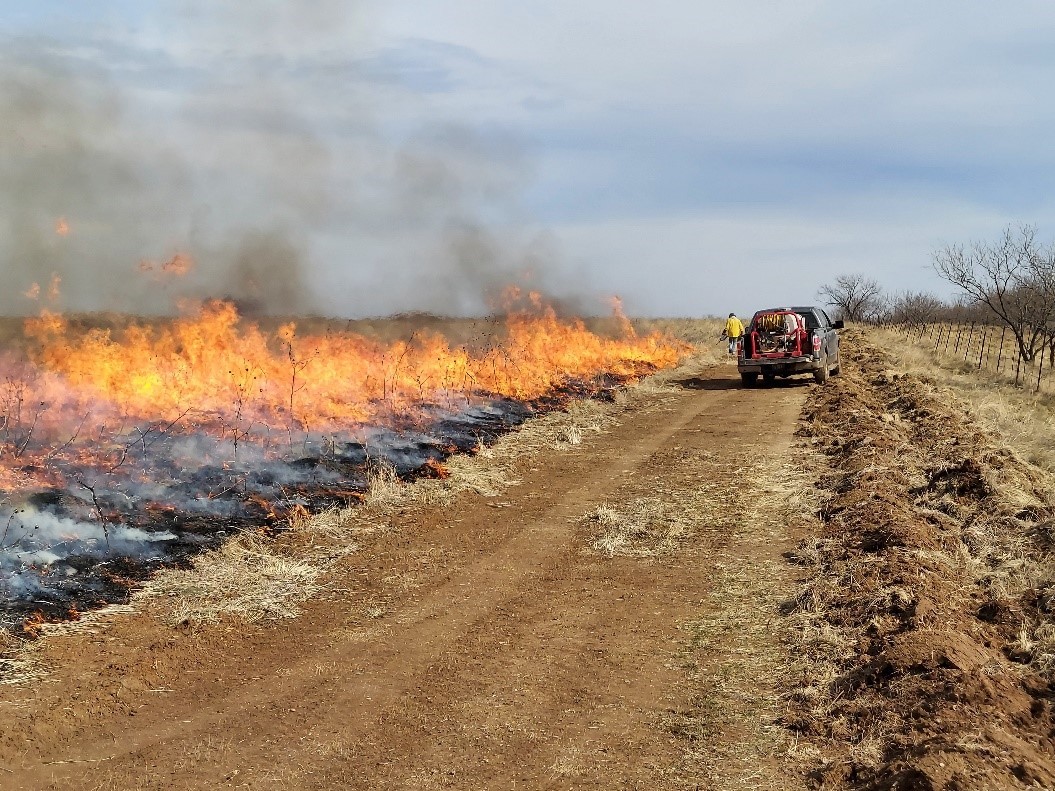 Prescribed fire funded through the Grassland Restoration Incentive Program, Throckmorton County, January 2021.
To continue this great work, Pheasants Forever Inc./Quail Forever (PF/QF) and OPJV recently hired Kati Biggs as the new Coordinating Wildlife Biologist based out of Henrietta, TX. Kati will join the OPJV team that includes staff from PF/QF, TPWD and American Bird Conservancy. The team will continue working closely with TPWD biologists, Natural Resources Conservation Service conservation staff, and other partners working directly with private landowners to implement GRIP and the other incentive programs available to Texans to improve native grasslands (e.g., U.S. Farm Bill, TPWD’s Pastures for Upland Birds). For more information on OPJV efforts for grassland restoration visit their webpage or contact any of our OPJV team members listed under the “Contact” tab therein.
By: Derek Wiley, Conservation Delivery Specialist
Texan by Nature Announces 2021 Conservation Wranglers
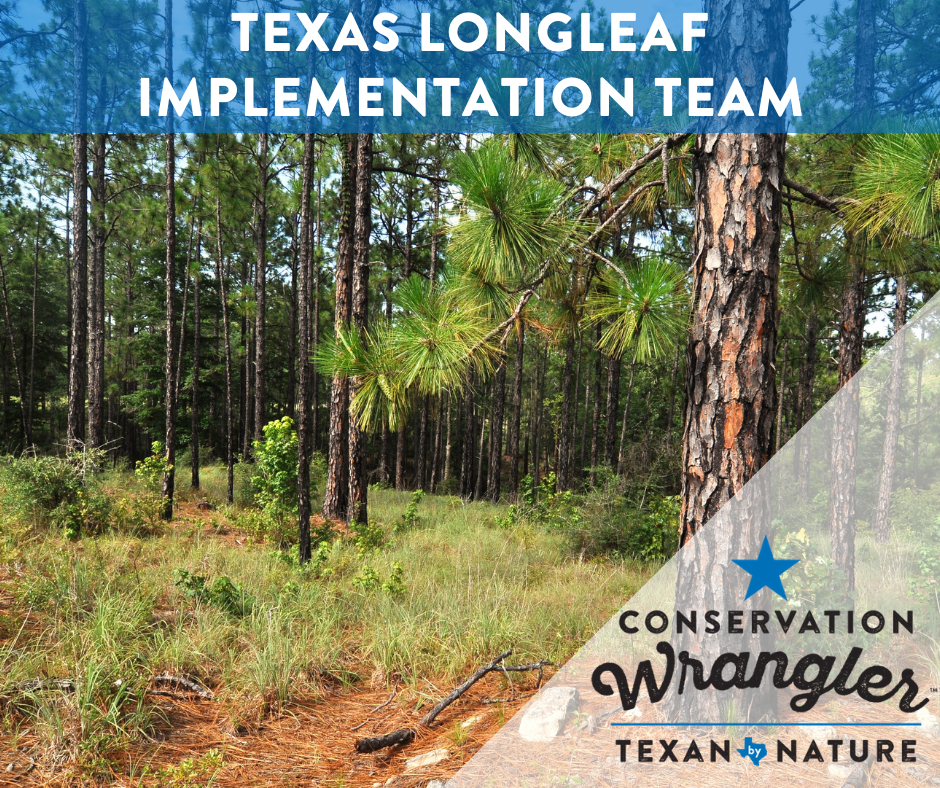 Photo: Texan by Nature
Among the many excellent Texan by Nature Conservation Wrangler selections this year, the Texas Longleaf Implementation Team, a partner with TPWD and the Small Game Program, was awarded the honors. An excerpt from the news release:
"Texan by Nature (TxN), a Texas-led conservation non-profit today announces the selection of the 2021 Conservation Wranglers. Conservation Wrangler is an accelerator program that catalyzes the very best Texan-led conservation projects occurring in the state. Selected projects are science-based and demonstrate a positive Return on Conservation for people, prosperity, and natural resources.
The 2021 Conservation Wranglers will work with the Texan by Nature team, receiving 12-18 months of dedicated support with program management, strategic planning, marketing strategy, metrics capture and analysis, professional content production, and partnership development – whatever is needed to accelerate the project.
“Each year, Texan by Nature selects innovative projects that demonstrate replicable conservation efforts in our state,” shared the former First Lady and Founder of Texan by Nature, Mrs. Laura Bush. “The Conservation Wrangler program proves that conservation is essential for the health of our natural resources, our people, and our economy. Congratulations to the 2021 Conservation Wranglers, and thank you for the terrific example you’ve set for all Texans.”
“This year’s Conservation Wrangler applications were incredibly impressive and represented a wide range of focus areas and geographies,” said Joni Carswell, President and CEO of TxN. “In addition to natural resource benefits, the projects represented collaborative, wide ranging partnerships and new opportunities for delivering and measuring impact. Our work with the selected projects will expand conservation efforts and results across Texas. We look forward to sharing Conservation Wrangler learnings, best practices, and opportunities to participate in and scale conservation efforts and returns.”
Texan by Nature will recognize the 2021 Conservation Wranglers on November 3, 2021, in Dallas, TX at the George W. Bush Presidential Center at the annual Conservation Summit. This diverse set of projects impacts land, water, habitat, and more, representing the vast ecological diversity of the Lone Star State."
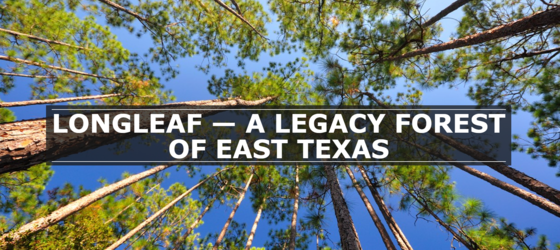 Photo: Texas Longleaf Implementation Team
"The Texas Longleaf Implementation Team was created to establish and restore upland and wetland longleaf pine savannas. This occurs through work with public and private forest landowners across the historic range of the longleaf pine in East Texas. The longleaf pine ecosystem is one of the scarcest plant communities in the Southeastern United States. Of former longleaf pine landscapes, less than 3 percent remains of the Southeastern landscape and only 2 percent of the original 3 million acres remains in East Texas. Longleaf pine communities are essential for migratory birds, resident wildlife, and a host of rare and endemic plants and animals. A well-managed longleaf pine savanna that includes frequent prescribed fire has the potential to produce and sustain habitat for rare species such as the Red-cockaded Woodpecker, Bachman’s Sparrow, Henslow’s Sparrow, and the Louisiana Pine Snake. Game species such as the Eastern Wild Turkey, Northern Bobwhite, and American Woodcock take advantage of these open forest conditions as well. Additionally, fire-maintained longleaf pine forests use 15 percent less water than fire-excluded systems due to their drought resilience and severe weather adaptations, and sequester carbon longer than other southern pine species due to their long life-span. Sound stewardship of longleaf pine forests can create diverse sources of income for forest landowners through forestry products, hunting and recreational leases, carbon trading, and other mitigation programs. Through broader messaging to foster awareness, the implementation team will expand their work with industrial and family forestland owners and managers."
To learn more about the other 2021 awardees and the Conservation Wrangler program, check out their news release.
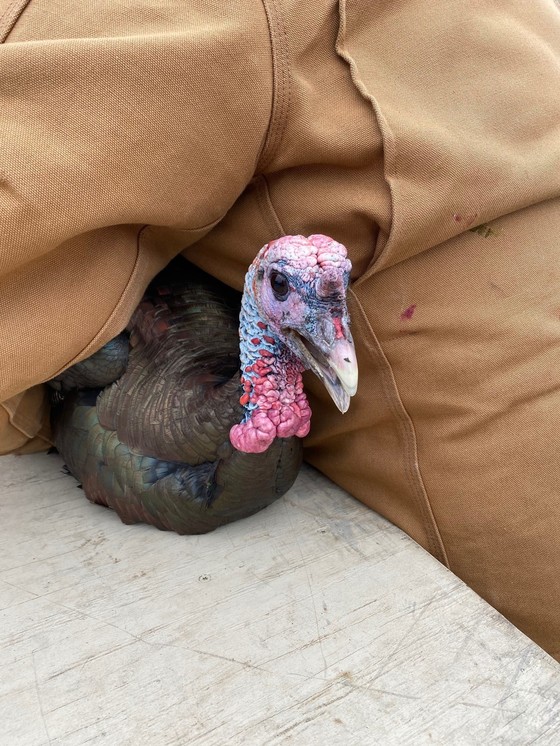 Texas Parks and Wildlife Department turkey trapping, TX.
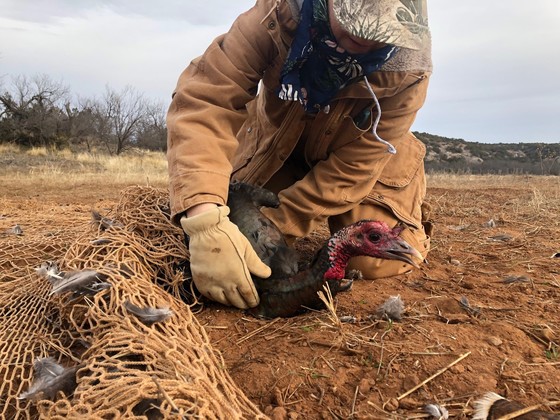 Dana Wright, Texas Parks and Wildlife Department Biologist, removes a turkey from rocket net, Cottle County, TX.
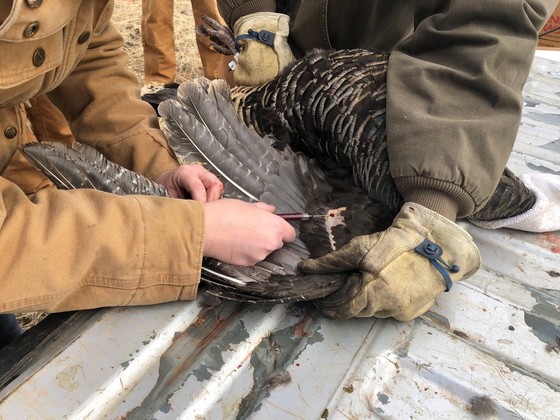 Caroline Ellison, Texas Parks and Wildlife Department Biologist, draws a blood sample from a turkey wing, Cottle County, TX.
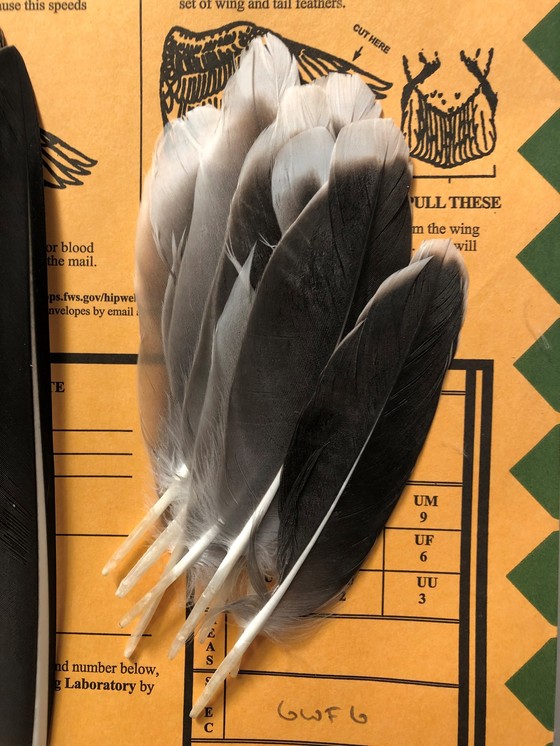 Greater white-fronted goose feathers. The annual U.S. Fish and Wildlife Service wingbee came to Texas this year.
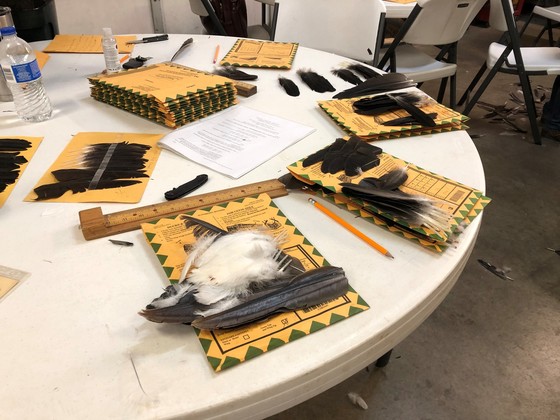 Goose feathers. The annual U.S. Fish and Wildlife Service wingbee came to Texas this year.
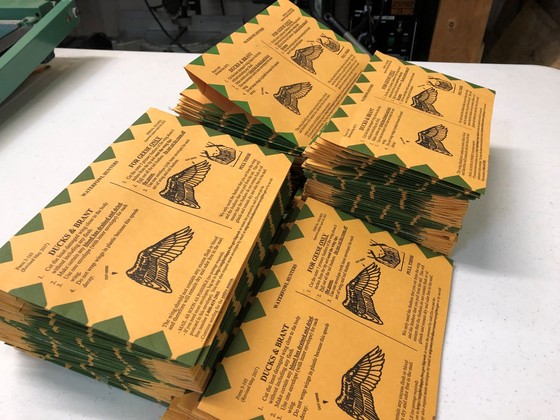 Sorting hunter envelopes. The annual U.S. Fish and Wildlife Service wingbee came to Texas this year.
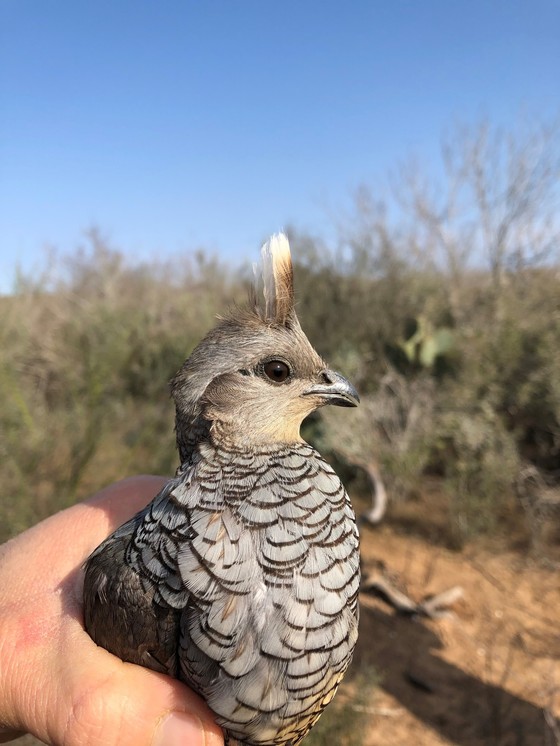 Chestnut-bellied scaled quail, Jim Hogg County, TX.
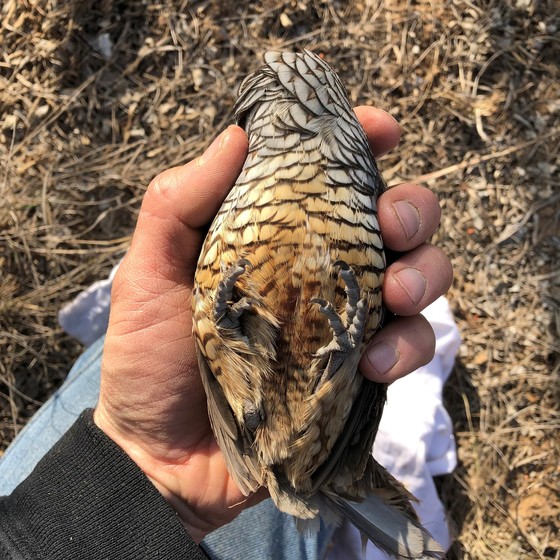 Chestnut-bellied scaled quail, Jim Hogg County, TX.
|