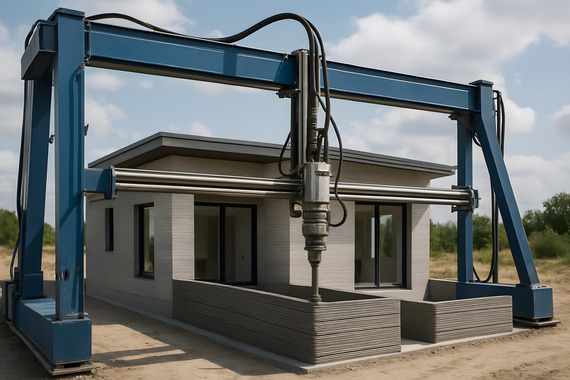
3D printing is changing the way we build: it’s faster, cheaper, and more creative than ever. But with new tools come new risks. These tips can help you protect yourself and your crew.

3D printing in construction shows how fast our tools and work sites are changing—but safety always comes first. No matter what construction methods you use, knowing the rules can save lives.
This summer, DWC is offering free two-day OSHA 10-Hour Construction classes to help Texas workers learn the basics of jobsite safety. Our OSHA authorized instructors teach these in-person classes in English and Spanish at locations across Texas.
The course covers OSHA standards and teaches how to spot and prevent common construction hazards. After completing the course, you’ll receive an official OSHA 10-Hour Construction card (mailed in 6–8 weeks).
July 2025 classes:
August 2025 classes:
Adults who live or work in Texas can attend. Bring a photo ID to class, and ensure you understand and communicate in the language of the course.
Space is limited. Registration is free but required. To sign up, email SafetyTraining@tdi.texas.gov or call 512-804-4610.

Are you new to the safety profession and eager to build a strong foundation? Essentials for New Safety Professionals is a FREE 2-day webinar designed to give you practical guidance and insights to help you succeed—and this is the last time it will be offered in 2025!
Dates & topics:
-
Wednesday, July 16: Preparing for an OSHA inspection.
-
Thursday, July 17: Navigating multi-employer worksites.
-
Time: 10:00 a.m. – 11:00 a.m. (each day).
-
Important note: Register separately for each day to attend both sessions.
Don’t miss this final opportunity of the year to gain expert advice, build your knowledge, and connect with others in the safety field. Whether you're just starting out or looking for a refresher, this webinar is for you!
Register now for:
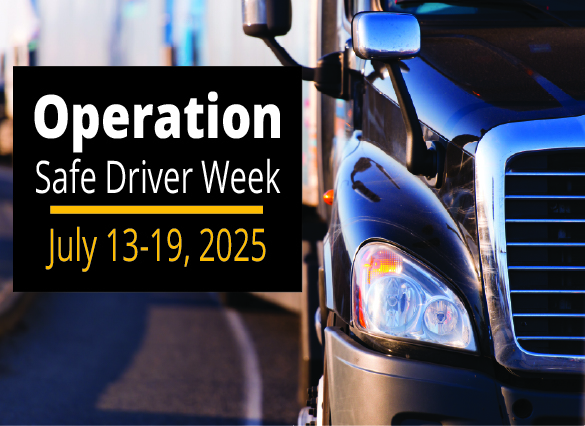
Each year the Commercial Vehicle Safety Alliance (CVSA) holds this safety event to encourage drivers of commercial vehicles to stay alert and avoid risky driving behaviors. The goal is to make roads safer for everyone.
What to expect: During this week, law enforcement officers across the country will watch for unsafe driving, including:
- Speeding
- Distracted driving.
- Aggressive driving.
- Not wearing a seat belt.
Why it matters: Unsafe driving is one of the top causes of crashes involving trucks and buses. CVSA reports that speeding is the most common factor in crashes for both commercial and passenger vehicles. Distracted driving also leads to thousands of deaths each year. By driving safely, commercial drivers can help reduce crashes and save lives.
Free safety resources for commercial drivers
CVSA and DWC offer free materials to support safe driving:
-
Aggressive driving:
- Aggressive Driving Fact Sheet (English / Spanish).
- Avoid Aggressive Driving: Don’t Provoke, Don’t be Provoked (English).
- Defensive driving:
- 14 Defensive Driving Techniques for Commercial Motor Vehicle Drivers (English).
- Defensive Driving - Take 5 for Safety (English / Spanish).
- Driving in Work Zones Fact Sheet (English /Spanish).
- Occupational driving safety:
More resources are available on the CVSA and DWC websites to help you prepare for Operation Safe Driver Week and improve your workforce’s driving habits.
Stay focused. Drive safe. Help make our roads safer for everyone.
How safe is your job site? How do injury trends in your industry compare to others? DWC’s Federal Data Collection program gives you the tools to find out.
Every year, DWC partners with the U.S. Department of Labor’s Bureau of Labor Statistics to collect and publish data on workplace injuries, illnesses, and fatalities in Texas. This information is available to safety professionals, employers, workers, and anyone interested in improving job site safety.
The program includes two major surveys:
-
The Survey of Occupational Injuries and Illnesses (SOII) tracks nonfatal workplace injuries and illnesses.
-
The Census of Fatal Occupational Injuries (CFOI) gathers detailed information about work-related deaths.
This data helps identify trends and risks by industry, job type, and region. It's used to improve safety programs, guide training, and direct resources where they’re needed most.
Why it matters: Data isn’t just numbers. It’s a powerful tool that helps save lives. Knowing where and how injuries happen helps prevent them. Safety leaders use this information to shape policies, target high-risk areas, and promote a culture of prevention.
Your privacy matters, too: No personal or identifiable information is shared. Data is collected only for research and reporting to improve safety in Texas and across the U.S.
You can explore the nonfatal or fatal data online or search the BLS database. You can also request information by emailing InjuryAnalysis@tdi.texas.gov or call 512-804-4640.
Let’s use what we learn to make every workplace safer.
|



