|
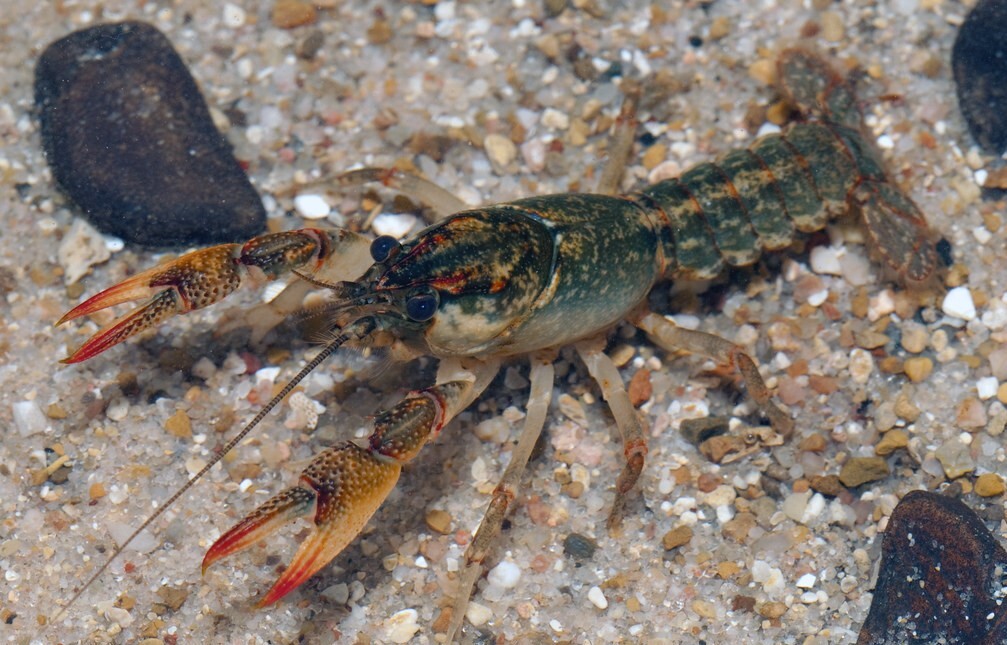
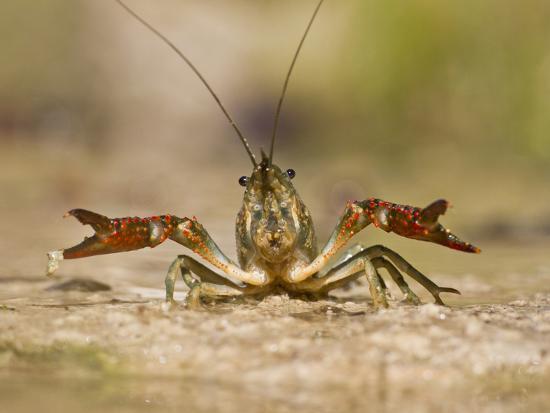 Critter Highlight - Crayfish (Cambarus scotti)
Crayfish—also known as crawfish, crawdads, mudbugs, and freshwater lobsters—are fascinating freshwater crustaceans that look like miniature lobsters. Despite their small size, these creatures play a big role in aquatic ecosystems and are a favorite subject for classroom study.
Crayfish breathe through delicate, feather-like gills, allowing them to thrive underwater. While many species prefer cool, flowing streams and brooks, others are perfectly at home in swamps, ditches, ponds, and even rice fields. Their adaptability means they can be found in a wide variety of freshwater habitats across the globe.
These resourceful animals are omnivores, feeding on both plants and animals. They scavenge for decaying material, nibble on aquatic vegetation, and even hunt small organisms. This makes them important “clean-up crew” members in their ecosystems, helping to recycle nutrients and keep waterways healthy.
There are about 150 species of crayfish in North America and over 540 species worldwide, each uniquely adapted to its environment. Some species even burrow into the ground to survive dry conditions, creating tunnels that can be studied long after they’re gone.
Learning with Crayfish
Crayfish are a valuable tool in science education. In the classroom, preserved crayfish specimens allow students to explore:
- The structure and function of an exoskeleton
- Internal systems such as the digestive, circulatory, and nervous systems
- How form relates to function in living organisms
Dissections provide hands-on learning that helps bring biology concepts to life in a meaningful and memorable way.
Crayfish Facts
-
Body Structure: Crayfish have 20 body segments, grouped into two main regions: the cephalothorax (head and thorax combined) and the abdomen.
-
Size: Most crayfish grow to about 6–7 inches long, though size can vary by species.
-
Ancient Origins: Fossil evidence of crayfish burrows dates back to the late Paleozoic to early Mesozoic eras, showing they’ve been around for hundreds of millions of years!
From their unique anatomy to their ecological importance, crayfish offer an exciting glimpse into the complexity of freshwater life. Whether observed in the wild or studied in the lab, these “little lobsters” continue to spark curiosity and discovery.
|
|
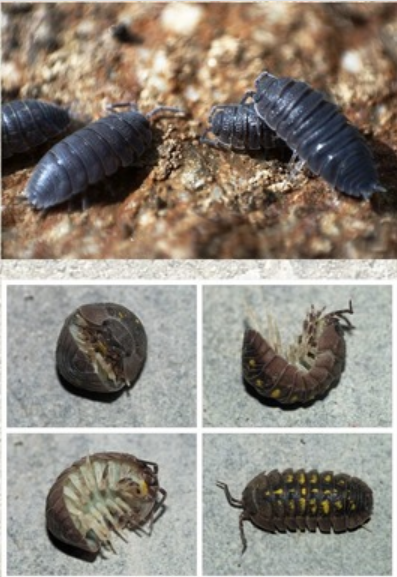 Isopods
|
This month's spotlight is on Isopods.
Looking for a simple, hands-on way to bring ecology to life in your classroom? Our sow bugs and pill bugs—often called roly-polies or doodle bugs—are a student favorite for exploring the natural world up close.
These tiny creatures belong to a group called isopods, and while they may look like insects, they’re actually crustaceans—relatives of crabs and shrimp! Their segmented bodies are made up of overlapping plates connected by flexible joints, allowing them to perform one of their most recognizable behaviors: rolling into a tight ball, a defense mechanism known as conglobation.
This clever survival strategy is triggered by touch, vibrations, or pressure and helps protect them from predators. Interestingly, this same defensive behavior can be seen in other animals like armadillos and even certain wasps—making isopods a great starting point for discussions about adaptation and survival.
|
|
Nature’s Recyclers
Isopods play an important ecological role as decomposers. Their diet consists mainly of decaying plant material, including fallen leaves and wood fibers. By breaking down this organic matter, they help return nutrients to the soil. In especially moist environments, they may also feed on living plants.
Perfect for Classroom Exploration
Sow bugs and pill bugs are excellent for teaching key science concepts, including:
- Food webs and nutrient cycles
- Decomposition and ecosystem balance
-
Behavioral responses to environmental changes (light, moisture, touch)
- Biodiversity and conservation
Their small size, easy care, and observable behaviors make them ideal for experiments and student investigations.
Isopod Facts
-
Not Insects: Isopods are crustaceans with hard, segmented exoskeletons.
-
Lifespan: They typically live 2–5 years under the right conditions.
-
Breathing: Instead of lungs, they use gills, which is why they need moist environments to survive.
-
Activity: Most active during the night or early morning, when conditions are cool, dark, and damp.
Bring science to life with these fascinating, low-maintenance organisms—perfect for engaging students and sparking curiosity about the ecosystems right beneath their feet!
Limited Edition Kits from the Barber Collection
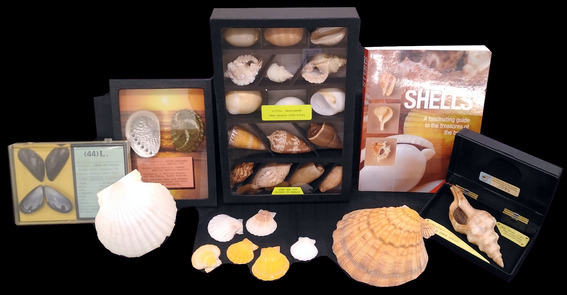 Shells Kit – Limited Edition Barber Collection
Discover the diversity and beauty of marine life with the Shells Kit from the Limited Edition Barber Collection. This thoughtfully curated set showcases a wide variety of seashells, offering a hands-on exploration of mollusks, shell structure, and coastal ecosystems.
Kit Highlights
Curated Shell Collection
- A compartmentalized display featuring assorted shells from different marine species
- Includes a variety of shapes and types such as spiral gastropods, smooth cowries, and ridged bivalves
- Additional loose specimens allow for closer inspection and tactile learning
Featured Specimens
- Large, eye-catching shells including scallops and spiral conchs
- A protected display case with select specimens for detailed viewing
- A boxed specimen highlighting unique shell forms and textures
Educational Displays & Labels
- Informational cards identifying shell types and their biological classifications
- Visual aids explaining differences between gastropods and bivalves
- Notes on habitat, structure, and adaptations
Reference Book
-
Shells: A Fascinating Guide to the Treasures of the Sea—a richly illustrated guide to shell identification and marine biodiversity
Educational Value
This limited-edition kit introduces learners to:
- Mollusk classification (gastropods, bivalves, and more)
- Shell structure, growth, and function
- Adaptations for survival in marine environments
- Coastal ecology and biodiversity
Perfect for classrooms, nature centers, or collectors, the Shells Kit blends natural beauty with scientific insight—making it an engaging teaching tool and an attractive display piece.
Order through the Learning Alive Order Platform using keyword Limited Edition.
Learning Alive. Where curiosity meets curriculum!
Upcoming Personal Development Opportunities
 |
|
Are you interested in discovering how Learning Alive can elevate the learning experiences of your students?
You’re invited to join an engaging, hands-on session designed to explore innovative ways to bring lessons to life through Learning Alive. This session is for anyone interested, and you do not have to be a member of the Learning Alive Cooperative to attend.
|
Register for Session #118775– Ignite the Experience: Transform Lessons into Experiences with Learning Alive (Coordinators/Lead Teachers) and discover new strategies to engage both students and educators while experiencing Learning Alive in our Learning Alive Building.
📅 May 26 🕘 9:00 AM – 3:00 PM
Session is Free for anyone that would like to attend.
SAVE THE DATE

Upcoming Connect20 Sessions for Cooperative Members
This link has sessions that are 100% free for learning alive.
|
|
Deliveries & Returns Information
Living materials are delivered weekly to schools within Region 20 by the ESC-20 Delivery Van. Schools outside of Region 20 that are not currently served by ESC-20 should contact their local Regional Service Center for delivery schedules and availability.
|
|
|
|
|