|
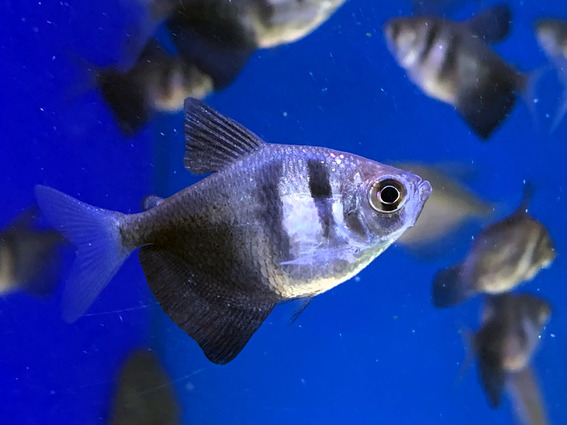 Critter Highlight - Tetras (Gymnocorymbus ternetzi)
The Black Skirt Tetra gets its name from its distinctive flowing “skirt” fins, which give it a graceful and elegant appearance. These fish are natural shoalers, happiest when kept in schools, where their social nature shines—more friends truly mean less stress!
While generally peaceful, they do have a playful side and may occasionally nip at long-finned tank mates, so it’s best to avoid pairing them with species like angelfish or betas. They’re also relatively easy to breed, with females capable of laying up to 1,000 eggs in a single spawn.
Tank Snapshot: Caring for Black Skirt Tetras
-
Size: Black Skirt Tetras grow to about 3 inches long, making them a medium-sized tetra that’s easy to manage in most home aquariums.
-
Lifespan: With good care, they typically live 3 to 5 years, though some can live longer in a healthy, stress-free tank.
-
Tank Size: A group of these fish needs at least a 15–20 gallon tank. The extra space helps reduce stress and gives them room to swim together comfortably.
-
Water Conditions: They do best in water kept between 70–85 °F, with a pH of 6.0–7.5. They prefer soft to moderately hard water, which is common in most community tank setups.
-
Group Size: Black Skirt Tetras are happiest when kept in groups of 5 or more. The larger the group, the more active and confident they’ll be, and the less likely they are to nip at other fish.
For more information about these and other animals, visit the student safe resource: TexQuest (Login needed)
These cute little swimming critters are available from the Learning Alive Cooperative Material Center for classroom pets.
|
|
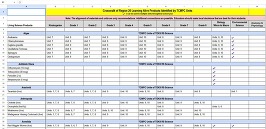 Crosswalk Document Resources for Learning Alive Cooprative
Two reference documents have been developed to align the TEKS Resource System units of instruction (K–8, Biology, Anatomy & Physiology, and Environmental Science) with resources available through the ESC Region 20 Learning Alive Cooperative. These valuable tools were created by our K–12 Science Consultant, Lisa Soll.
The first resource, Science Crosswalk, is linked in the IFD under the Resources tab for grades K–8, Biology, Anatomy & Physiology, and Environmental Science. You can also access Science Crosswalk directly through this link.
The second resource, the K–5 RLA Bluebonnet Crosswalk, pairs with the Learning Alive Cooperative to align available resources to the appropriate units for all six elementary grade levels. You can access the K-5 RLA Bluebonnet Crosswalk directly through this link.
|
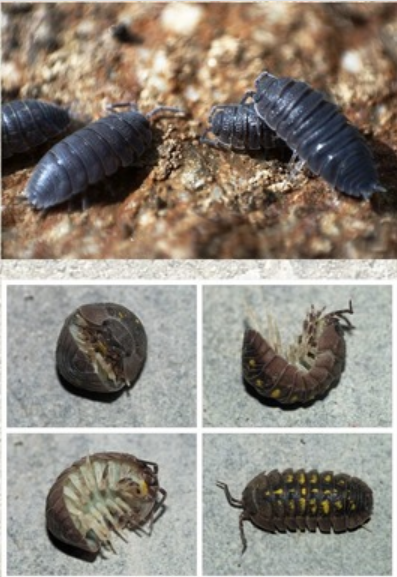 Isopods: Nature’s Tiny Recyclers
We carry both sow bugs and pill bugs—commonly known as roly-polies or doodle bugs. These terrestrial isopods are crustaceans with segmented plates joined by flexible connections, allowing them to curl into a ball through conglobation. This behavior, also observed in armadillos and cuckoo wasps, is triggered by environmental stressors such as vibration or pressure and serves as an important defense against predators.
Isopods are detritivores, primarily feeding on decomposing plant matter such as leaf litter and wood fibers. In moist conditions, they may also consume living plants. Their feeding habits make them essential to nutrient cycling and soil health.
Isopods provide an engaging way to introduce ecological concepts, including food webs, decomposition, and biodiversity, and they help students appreciate the interconnectedness of ecosystems.
Fun Isopod Facts:
-
They are not insects—isopods are crustaceans, with segmented shells that provide protection.
-
Their average lifespan ranges from two to five years.
-
Instead of lungs, they breathe using gills.
-
They are most active at night and early morning, preferring cool, dark, and damp environments.
|
|
NEW! Limited Edition Kit from the Barber Collection
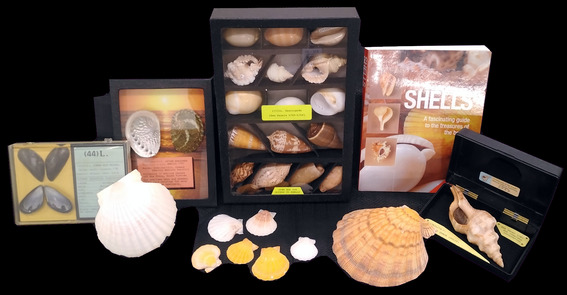 This month, Learning Allive is excited to highlight the Limited Edition Shell Kit from the Barber Collection, a stunning educational resource now available for classrooms. Perfect for sparking curiosity in science and natural history, this collection includes a diverse array of authentic shells, from delicate scallops to striking gastropods, all carefully labeled for hands-on learning. Each kit comes with display cases, identification cards, and a beautifully illustrated reference guide, making it an engaging tool for teaching marine biology, ecosystems, and biodiversity. Designed to bring the wonders of the ocean into the classroom, this exclusive set helps students connect with the natural world while encouraging exploration, observation, and scientific inquiry.
Order through the Learning Alive Order Platform using keyword Limited Edition.
|
|
Deliveries & Returns Information
Living materials are delivered weekly to schools within Region 20 by the ESC-20 Delivery Van. Schools outside of Region 20 that are not currently served by ESC-20 should contact their local Regional Service Center for delivery schedules and availability.
|
|
|
|
|