|
 Critter Highlight - Gerbils (Meriones unguiculatus)
Gerbils are fascinating little rodents with around 110 different species found across the world. What do they all have in common? They’re perfectly built for life in dry, arid places, where water is hard to come by.
In the wild, gerbils are true socialites! They live in close-knit groups called clans, and use their powerful sense of smell to recognize friends and family.
Most gerbils are diurnal—that means they’re up and active during the day, just like us! When nighttime comes, it’s their turn to rest.
Known for their gentle nature, gerbils are rarely aggressive and almost never bite unless they’re scared or stressed. And here’s a cool fact: their kidneys are so efficient that they barely waste any water. This keeps them clean and low-odor—perfect little roommates!
Here are a few interesting facts about Gerbils:
-
Gerbils were once called "desert rats"—a fitting nickname for these hardy little creatures that thrive in hot, dry environments!
- The average gerbil measures 6 to 12 inches long, and half of that is just tail! Their long, furry tails help them balance as they explore and play.
- Unlike rats and mice, gerbils are natural diggers. They love to build their own tunnel systems, just like they would in the wild. That’s why they often chew through plastic habitats—they’re just trying to dig! A deep layer of bedding and a chew-proof setup is a must for these burrowing buddies.
For more information about these and other animals, click on this student safe resource: TexQuest (Login needed)
These adorable critters are available from the Learning Alive Cooperative Material Center for a 2-week checkout or as a classroom pet.
|
|
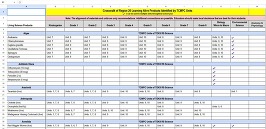 Crosswalk Document Resources for Learning Alive Cooprative
Two reference documents have been developed to align the TEKS Resource System units of instruction (K–8, Biology, Anatomy & Physiology, and Environmental Science) with resources available through the ESC Region 20 Learning Alive Cooperative. These valuable tools were created by our K–12 Science Consultant, Lisa Soll.
The first resource, Science Crosswalk, is linked in the IFD under the Resources tab for grades K–8, Biology, Anatomy & Physiology, and Environmental Science. It’s also available here for easy access.
The second resource, the K–5 RLA Bluebonnet Crosswalk, pairs with the Learning Alive Cooperative to align available resources to the appropriate units for all six elementary grade levels. You can access it here.
|
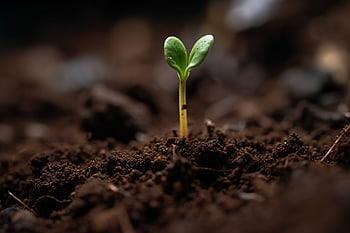 Seed Packets & Grow Kits
We offer seed packets for educational use, each containing about 50 seeds. Our current selection includes 14 varieties of beans and other vegetables, along with sunflower and wildflower seeds. What will your students grow this year?
Our recently updated Grow Kits now come with a handy folder filled with engaging, hands-on learning materials, including:
-
The Seed Story (sprouting & planting techniques)
-
Parts of a Seed
-
Photosynthesis explained
-
Native plant facts
-
How to make biodegradable pots from newspaper
-
How to build mini-greenhouses
-
A look into cacti, desert biomes, and their unique plant life
Grow Kits are a great way to bring science to life in your classroom—explore them today!
|
|
NEW! Limited Edition Kit from the Barber Collection
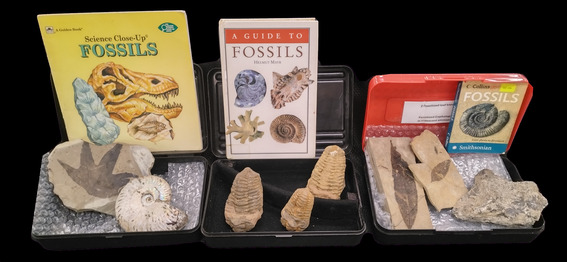 Bring prehistoric life right into your classroom with the new Limited Edition Fossil Kit, available for checkout in 2-week intervals! This kit includes real and replica fossils, and guides to spark curiosity and deepen understanding of Earth’s ancient history. Ideal for supporting lessons on geology, paleontology, evolution, and more—your students will love exploring the clues left behind by life from long ago.
|
|
Learning Alive. Where curiosity meets curriculum!
Upcoming Connect20 Sessions
To view Education Service Center, Region 20 training opportunities, click HERE.
|
|
Deliveries & Returns Information
Living materials are delivered weekly to schools within Region 20 by the ESC-20 Delivery Van. Schools outside of Region 20 that are not currently served by ESC-20 should contact their local Regional Service Center for delivery schedules and availability.
|
|
|
|