|
|
We are excited to share changes to our heartworm treatment process started on October 16th! To ensure that 100% of the heartworm-positive dogs leaving DAS are receiving care, our medical department has developed an approach to addressing the burden of heartworms, which affect up to 25% of our canine population at any given time. Our new strategy will address this before dogs ever leave the shelter. Dogs six months of age and up will receive a standard in-house snap test upon intake to determine heartworm status and those who test positive will immediately be started on an antibiotic to reduce the risk of complications.

Once a pet is tagged by your rescue they will receive 12 months of heartworm prevention in a single injection, as well as a single injection of the compound used to kill adult heartworms. Post-treatment, caretakers will be advised to strictly adhere to crate rest for 4-6 weeks, and we will recommend follow-up with their veterinarian.
With this updated treatment plan DAS's goal is to positively impact the health of the dogs we care for, support rescues with a simplified care plan, decrease travel to and from the shelter for pets, and save more lives overall.
If your rescue would like to opt out of treatment, please inform the rescue team at the time of tagging a pet. Click here to view the September townhall meeting when Dr. Horne and Michael Burk answer questions about the new treatment process.
|
It has come to that time of the year—the off-season for kittens. As we are heading into cooler weather, there will be fewer kittens born and the number of kittens coming into the shelter declines dramatically. This means our kitten nursery is closing on November 1st, for both kittens and puppies. This means any pets needing around-the-clock care will need to find placement the same day.
Why is this happening?
The DAS nursery closes every year which means staffing can be allocated to other parts of the shelter to help carry the load for a very busy kennel care team.
How to help?
Keep an eye out on our D90 Rescue Page for kitten and puppy bottle baby posts. If you would like to be notified of bottle babies once they come, please send an email to DASrescue@dallas.gov letting us know what type of bottle babies you're interested in!
When can you pick it up?
As soon as you receive a confirmation tag. All tagged neonates must be picked up the same day before closing.
|
|
|
Townhall Meeting Update
After careful consideration, we have decided to update our monthly meetings to bi-monthly for our Rescue Partners. If you have any questions or concerns, please reach out to DASrescue@dallas.gov. We look forward to seeing you in our November meeting.
November Townhall Meeting
When: November 29 at 6:00-7:00 pm
Meeting ID: 228 641 370 345
Passcode: AKCyhq
We’ll send out an agenda on 11/24 for the next meeting so you’ll know what topics we’re covering in advance.
Want to make sure we cover a topic of importance to your group? Send in your feedback or questions here.
|
|
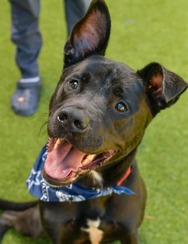
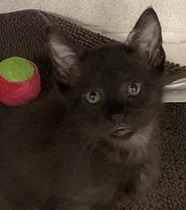
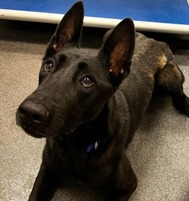
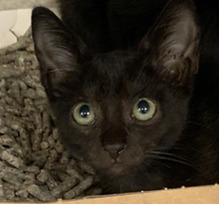
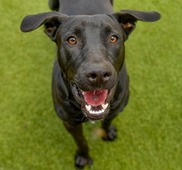
 With Halloween just around the corner we wanted to share some cute black cats and dogs that are always a treat and not a trick! Its spooky that these pets haven't been tagged yet!
 |
|
Eliot the Elite A1189971
3 years old
Neutered
HW(-)
PG-1 SOCIAL
|
|
Dash A1191246
Female
9 weeks old
Ringworm (+)
|
|
 |
 |
|
Serenity A1190194
2 years old
Female
HW (-)
PG1 - SOCIAL
|
|
Raja A1192202
Female
9 weeks old
Timid and scared
|
|
 |
 |
|
Midnight A1191875
Male
1 year old
HW(-)
PG-1 Social
|

|
|
|
We would like to spotlight a little group helping out a group of BIG dogs with the fluffiest of coats. Join us for a Q and A with Great Pyrenees Rescue Society.
Tell me a little bit about the rescue your rescue and your overall mission?
Great Pyrenees Rescue Society is a coalition of rescuers founded by Malise Saucier in 2006 to facilitate the placement of Great Pyrenees dogs and Pyr mixes across the country, with rescues located in several states that have high kill shelter rates for the Great Pyrenees breed.

GPRS has long history of successful adoptions nationally through monthly transports. GPRS has a large network of fosters for Pyrs both in the Northwest and Texas. We are a volunteer run, foster-based, 501(c)(3) animal rescue dedicated to the rescue, rehabilitation, and adoption of Great Pyrenees dogs whose lives are in danger. Absolutely 100% of all donations go to the dogs that we care for. Most of our dogs come to us from kill shelters around the Central Texas, South Texas and Greater Houston area. We place them in foster homes in the Pacific Northwest and Texas while they are evaluated and rehabilitated until we find a permanent home for them. We transport and adopt nationally. There are so many more wonderful, majestic, and deserving Great Pyrenees needing help in Texas than we have places for. We place only as family members, we do not place any as Livestock Guardians (LGD's), and if they have been LGD's they assimilate quite well to guarding the couch under the ceiling fan.
How long have you been in the animal welfare world and how has it changed since you first joined?
GPRS was established in 2006. The pandemic was the biggest change. The backlash from that is the slowing of adoptions nationwide and the mass surrender of animals. Also, we were the first to begin transporting Pyrs to the Pacific Northwest. Now lots of rescues are transporting there.
|
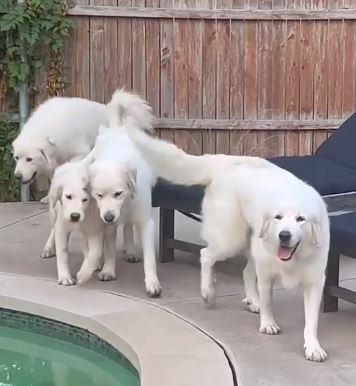
Tell me a little bit about the FAB 4 and what made it possible for y’all to take this group in?
GPRS follows all of the shelters in the area and try to save as many as we can and prevent euthanasia whenever possible. The Fab 4 were in danger of being euthanized and the possible bite history was unknown due to a group of loose/stray dogs coming in contact with someone walking their dog and no injury was sustained from it.
Our intake coordinator has been in rescue for many years and communicates with multiple rescues in the area. Because of her long standing history, she knows a lot of people in the area. She reached out to a foster that has fostered in the past for 15 years and can handle multiple dogs and she agreed to take them in. With an Amazon wish list we were able to get the supplies that the foster needed donated quickly.
|
Being the expert on G.P. do you have any words of advice for other rescues looking to tag and place G.P.s?
GPRS screens their fosters & adopters to know they can handle a Great Pyrenees and are selective of basic requirements to care for them. Most of the fosters have prior Pyrenees experience. We have the extra support of a 35+ year experienced Pyrenees trainer who helps our fosters and adopters with any behavioral issues that can come up. Being a guardian breed, it is good to be knowledgeable of their natural behavioral traits. They need strong leadership, and quality fencing! You have to be the boss of a pyr everyday.
When it comes to pets that have been on hold for a possible bite quarantine. Do you have any words of advice for other rescue?
Find out as much about the facts of the incident as possible. Ruling out possible dog behavior of the circumstance and seeing how the dog/dogs interacts with shelter staff after the incident occurred can give you a bigger picture of what may have happened. Also make sure the foster gives the dog (s) time to decompress and slow introductions to new people and other animals.
|

|
|

Rescue Partners do not need an appointment to walk through the public areas of our shelter, but if you'd like to visit our neonatal nursery, tag on the spot, or need assistance with assessments, please book here so we can be sure to have a staff member available to you while you're here. If you'd like to get your team trained to handle dogs onsite without a DAS team member present, please email us to coordinate training.
|
|
|
|