|
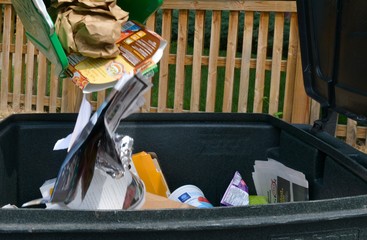
After a brief suspension, curbside recycling resumed on February 1. However, Nashville’s trash and recycling concerns are not yet fully resolved.
Trash and recycling is collected by a combination of Waste Services resources and contractors. Two contractors assist with residential trash collection - Red River is responsible for 73% of the routes and Waste Industries (GFL) is responsible for 8%. The remaining 19% is done by Metro Waste Services. Waste Services is also responsible for curbside recycling, dumpster collection and servicing the convenience centers and recycling drop off sites.
Our largest contractor, Red River, filed bankruptcy in October 2021. Our contract with them is subject to the bankruptcy process and Metro cannot terminate the contract without permission of the bankruptcy court. However, Metro legal has filed a motion in bankruptcy court, requesting that Metro be allowed to assign some of Red River’s trash routes to an alternative provider to ensure that all trash is collected timely.
Waste Services is also faced with fleet challenges. We have experienced fleet shortages due to supply chain issues affecting parts, vehicles and equipment nationwide. This is negatively affecting our normal operations, limiting our ability to empty dumpsters and properly maintain our recycling drop off sites. Currently, 12 of the 14 front loader trucks available to Waste Services are awaiting repair, leaving only 2 trucks to service approximately 1,800 dumpsters.
While we work to repair and/or replace our existing fleet, two private contractors, Waste Pro and Waste Management will provide additional assets to assist. They will adjust their current routes to assist Waste Services in emptying dumpsters. This will provide weekly collection for each of our locations.
We will continue to work with our Metro counterparts and vendors for permanent solutions and appreciate the patience and understanding of our community.

Water main breaks can occur at any time, but the chance of a main break increases during periods of extreme temperatures. Over the past 5 years, Metro Water Services has averaged 450 main breaks a year with most occurring during the winter months.
In 2021, crews responded to over 430 breaks, with 175 of them occurring between January and February. In January of this year, crews responded to 76 emergency water main breaks.
These breaks have the potential to affect water service to hundreds of customers as well as creating hazardous road conditions for motorists.
A simple water main break can be completed in six to eight hours, but large or complicated repairs may take several days or even a week. Conditions such as weather and daylight may affect repair times as well. Often emergency repair crews are working overnight and are dealing with harsh conditions such as freezing temperatures, rain and/or snow.
Repair Process:
|
 Anyone observing water running in the street during a period without rain or experiencing a
water outage is asked to contact our 24/7 emergency line at (615) 862-4600.
The water you use travels through the sewer pipes to our water reclamation plants. The water is cleaned and returned to the Cumberland River, safe for the environment and for recreation. We use naturally occurring microbes to clean the water. Excess microbes and organic solids are further processed at our Biosolids Facility to produce a pasteurized fertilizer sold as Music City Gold.
The process benefits the environment, the economy and our community – what we call the Triple Bottom Line. Before the facility was built, MWS paid for the nutrients and solids to be taken to landfills across the state. Now we benefit from a revenue-sharing contract with our fertilizer distributor, Tycowa, LLC. Music City gold is sold to farmers in bulk, and to retail stores in 25- and 50-pound bags for gardeners. Both farmers and gardeners benefit from a product that is affordable and improves the soil.
The third part of the Triple Bottom Line is the community. Not only does our entire community benefit from not having sludge travel in truck loads across the county, we are also helping our neighbors directly. Tycowa, LLC generously donates bags of Music City Gold to community and school gardens.
If you are part of a community or school garden that would like to use Music City Gold, please contact Julie.berbiglia@nashville.gov for more information.
The National Pollutant Discharge Elimination System Program (NPDES) is a program within MWS Stormwater Division focused on achieving permit compliance for Metro’s Municipal Separate Storm Sewer System (MS4). The program is responsible for performing specific MS4 requirements to reduce pollutants in Davidson County’s waterways and stormwater system as well as educate the public on water quality concerns. This includes overseeing construction projects to ensure that proper control measures are added and maintained to eliminate any polluted runoff into our creeks and streams from a project.
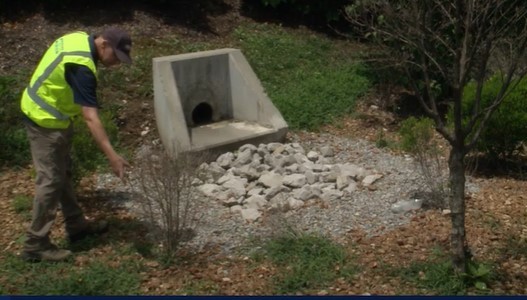 Waterways are routinely sampled throughout the county by NPDES staff to identify pollutants of concern in certain stream segments and when possible, discover the source of these pollutants. If an illicit discharge is found, whether through our watershed sampling group or a citizen complaint, NPDES staff responds to investigate the source and work with the responsible parties on necessary clean up procedures.
The Stormwater Control Measure (SCM) Program within NPDES includes inspecting all Metro regulated structures required for developers and ensuring they are properly maintained and functioning. These structures, such as rain gardens or permeable pavement, are necessary in a growing city to help reduce pollutants and manage flooding as development continues. All aspects of the NPDES Program are integral in helping keep Nashville’s waterways safe.
The full NPDES Annual Report is posted on the website at National Pollutant Discharge Elimination System | Nashville.gov.
|