|
This week, a national spotlight showcased both a national dilemma and the solutions to solve it being created, right here in Memphis.
In an article from Vox, senior reporter Marina Bolotnikova explored how outdated building codes quietly drive up housing costs by making apartments and small multifamily homes harder to build. And our Chief of Development and Infrastructure, John Zeanah, was featured for his work and thought leadership on this issue.
John has been helping cities across the country understand something critical: zoning reform alone is not enough to address the nation’s housing crisis. Even when we allow duplexes, triplexes, and fourplexes on paper, overly rigid construction rules can make those homes financially impossible to build in real life.
Well-designed small multifamily homes, built to appropriate standards and located in the right places, can expand housing options and are often the most attainable option for working families, seniors, and young professionals. But when they are regulated as commercial buildings rather than homes, it triggers higher construction requirements, higher upfront costs, and ultimately higher rents. The result is fewer homes built and fewer options for people who want to live in our neighborhoods.
Here in Memphis, John helped to lead a change in Tennessee law that allows small buildings with up to four units to meet fire safety standards without requiring costly sprinkler systems when other proven protections are in place. Recently, John worked with City Fire Marshal Lapacus Faulkner and Building Official Rita Anderson to expand building code flexibility to cover up to 24-unit buildings. These technical changes are already helping unlock missing middle housing in neighborhoods ready for new housing.
As someone who has worked in housing and community development, I know that affordability is not driven by one factor alone. It is influenced by zoning, building codes, financing, taxes, infrastructure, and neighborhood conditions. If we want more homes and more attainable options, we have to address all of it.
This work is ongoing.
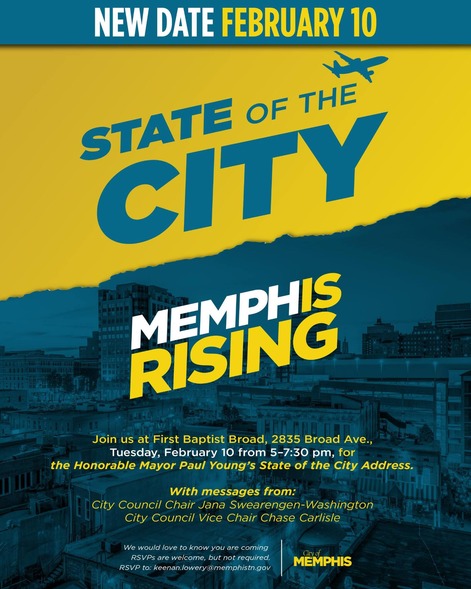
Next week, on Feb. 10, during my State of the City address, I will share more about our strategies and approach to shifting Memphis from growing outward to building up, modernizing outdated rules, and strengthening our housing strategy to support growth in Memphis.
We are focused on practical solutions that help people find a place to live and a community where they can thrive. We believe that when housing options rise, Memphis rises.
 Read the whole Vox article here.
Please join me for my State of the City address on February 10 at First Baptist Broad. See post below.
Good News!
 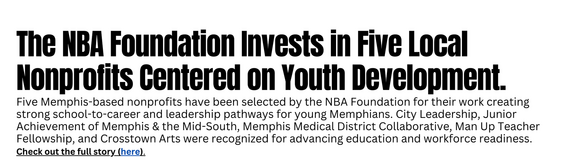 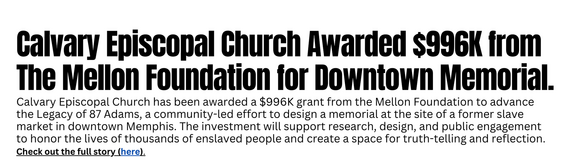 Do you have good news to share? We would love to share it! Send us a note at goodnews@memphistn.gov
Track Our Progress
The linked reports below provide evidence to support our public safety strategy and our work to ensure municipal fiscal responsibility. These dashboard provides a quick overview, with the ability to dive in deeper to neighborhoods and divisions. Both dashboards updates daily.
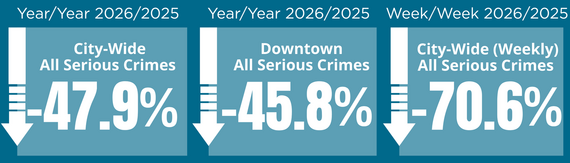 SAFER COMMUNITIES: View the dashboard here.
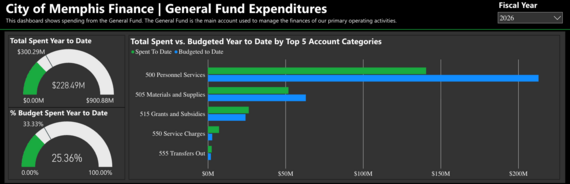 FINANCE TRACKER: View the tracker here.
To report concerns related to property violations, potholes, and trash, click the link here or call 311 to speak to a live agent.
Want to know what's happening in Memphis? Explore these event calendars to stay in the loop on all the city has to offer!
Memphis Public Libraries
Memphis Parks
Memphis Travel
Arts Memphis
Choose901
I love Memphis
City of Memphis Meetings & Notices
Office of Creative and Cultural Economy. Applications are open for the Memphis Poet Laureate, a two-year opportunity for an accomplished local poet to serve as a public voice for our city. The position includes a $20,000 honorarium and the chance to design a community-focused literary initiative that uplifts our city’s creative spirit. Learn more, share, or apply here.
State Of The City!
|