|
You are receiving this email because you have recently registered for a Pennsylvania Game Commission Learn To Hunt webinar.
View this email in your web browser.
 DON’T MISS THE LAST WEBINAR
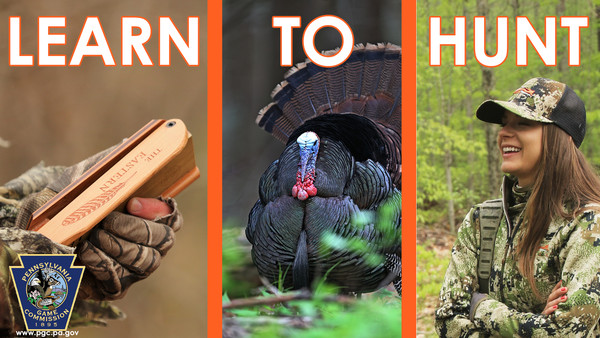
Join the Pennsylvania Game Commission on April 18, 2022 at 7:00 p.m. to learn hunting tips and tactics from champion turkey caller and marketing bureau director Matt Morrett. CLICK HERE TO REGISTER!
Thank you for registering for the second Learn to Hunt Spring Gobbler webinar, which covered turkey biology and scouting. CLICK HERE TO WATCH NOW. Answers to remaining questions can be found throughout this email.
MARK YOUR CALENDARS
Pennsylvania’s spring turkey season opens statewide on SATURDAY, April 30, 2022! Throughout the season, properly licensed hunters can harvest up to 2 bearded turkeys (1 per day). Please note, only one bearded turkey can be harvested with a general hunting license. If you wish to harvest two bearded turkeys, a second turkey tag must be purchased prior to the start of the season! Purchase HERE.
Don’t forget, Pennsylvania’s YOUTH turkey hunt is open April 23, 2022. Please note that, only properly licensed junior and mentored hunters, 16 years of age and under, may participate. Each hunter may only harvest one bearded turkey and turkeys harvested by mentored youth, under the age of 7, must tag their bird with a transferred tag from his/her adult mentor. Learn more HERE.
Not sure where to go turkey hunting? Click HERE for an interactive map of Pennsylvania’s State Game Lands.
 GET STARTED WITH A PERMIT
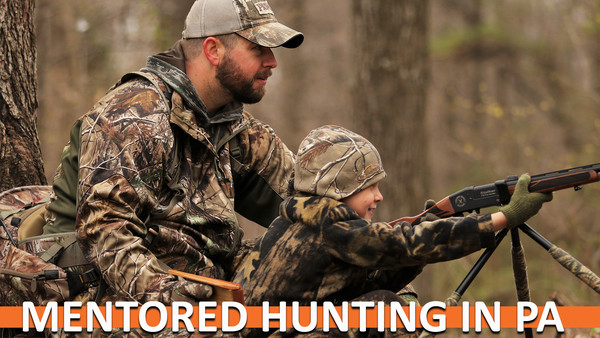
Pennsylvania’s mentored hunting program offers opportunities to unlicensed hunters of all ages. To participate in this program mentees MUST possess a mentored hunting permit AND be guided by a mentor (21 or older) who has a valid, current hunting license. Purchase permit HERE.
Mentors are NOT required to take a Hunter-Trapper education course to participate. Please note, mentored hunters, ages 12 or older, can only participate in the program for three years before they MUST take a Hunter-Trapper Education course and purchase a hunting license.
Mentored hunters can hunt squirrels, rabbits, hares, ruffed grouse, bobwhite quail, pheasants, crows, doves, porcupines, woodchucks, coyotes, deer, turkey, waterfowl and bear when respective seasons are open. Click HERE to learn more about mentored hunting program.
The Pennsylvania Game Commission provides various mentored hunts, for adults and youth, across the state. Learn more about these opportunities HERE.
 IT IS TIME TO START SCOUTING
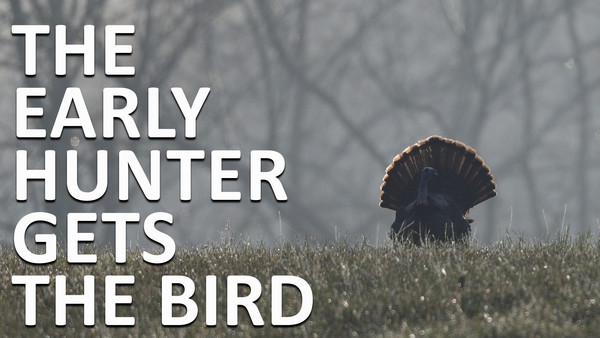
Preseason scouting can significantly increase your chances of harvesting a gobbler this spring. With Pennsylvania’s statewide spring turkey season opening in a little over two weeks, now is the time to start scouting for turkeys. One of the best ways to locate turkeys is to put your boots to the ground in search of turkey sign (i.e. feces, scratching, tracks or dust bowls), and of course, turkeys.
Start out scouting at some high points where you can more readily see and listen for flocks. To reduce your chance of getting spotted make sure you are at your scouting spot prior daybreak. You can increase your chances of finding turkeys by using a locator call, such as a crow or an owl call, to encourage a “shock gobble” from gobblers nearby. Because turkeys don’t always strut in the same spot, make sure you have a couple of locations in mind to go hunting when turkey season comes. Click HERE for more turkey hunting tips.
TIPS FOR HUNTING ROOSTS
Set yourself up for success when hunting a roost by making sure you aren’t too close or too far away. You want to be far enough away that you can walk into your spot without bumping the turkeys but close enough to hear tree calls and see the gobblers strut zone. Click HERE for more tips on hunting roosts.
 |
|
EPISODE 27: SPILLING TURKEY SECRETS
What's better than getting tips from a Grand National Turkey Caller? Getting to learn from TWO Grand National Champion Callers.
In this episode, host Matt Morrett is joined by Denny Gulvas, World Champion Turkey Caller and mentor.
Denny has spent decades learning turkey habits, body language and calls and is ready to share his secrets that will leave listeners excited for Spring Gobbler season! Listen on IHeartRadio, Spotify, Stitcher, Apple Podcasts, Google Podcasts or here.
|
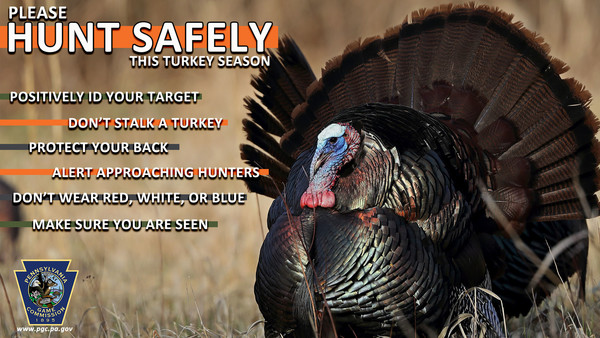 GOOD LUCK. HAVE FUN. HUNT SAFELY.
Stay safe while turkey hunting by:
- Positively identifying your target! Be sure the turkey and its beard are plainly visible before pulling the trigger.
- Not stalking turkeys (it is illegal)! Movement or sounds you think are a turkey may be another hunter. Be patient; let the bird come to you.
- Protecting your back! Select a large tree, rock or other natural barrier to place at your back while calling.
- Alerting approaching hunters by shouting STOP! Never move, wave or make turkey sounds to alert others of your position.
- Not wearing red, white, or blue while hunting! These are the colors found on mature gobblers.
- Being Seen! Wear or display fluorescent orange, especially when moving. Please note, no fluorescent orange is required to hunt turkeys in Pennsylvania.
Click HERE for more hunting safety tips!
REGISTER TODAY!
All first-time hunters and trappers, regardless of age, must successfully complete hunter-trapper education training before they can buy a Pennsylvania hunting or trapping license. Courses are available to anyone who 11 years of age or older. Click HERE to take a course.
|
|
 |
TIPS FOR ARCHERY HUNTERS
Practice, practice, PRACTICE! Harvesting a turkey with a bow requires a high-level of accuracy and ability to judge if you are within an effective kill range for a particular bow and arrow. To harvest a turkey with a bow and arrow, you need to place your shot just below the head or through the body into the vitals. Click HERE to watch a video from Realtree that provides a good overview of shot placement and advice on broadhead size.
 |
|
FIELD TO TABLE
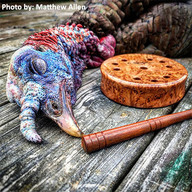
Not sure how to field dress your turkey? For resources on how to clean your turkey and for some delicious recipes, click HERE.
|
Thank you, in advance, for purchasing a Pennsylvania hunting license and supporting wildlife conservation in our state.
|