|
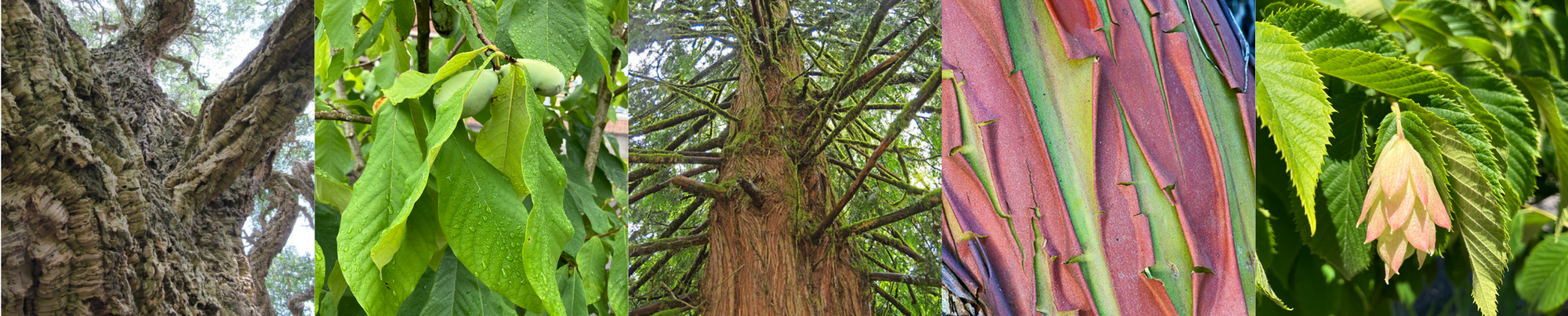
Tree Bark
News from Urban Forestry — All Trees, No Pulp • May 30, 2025
|
|
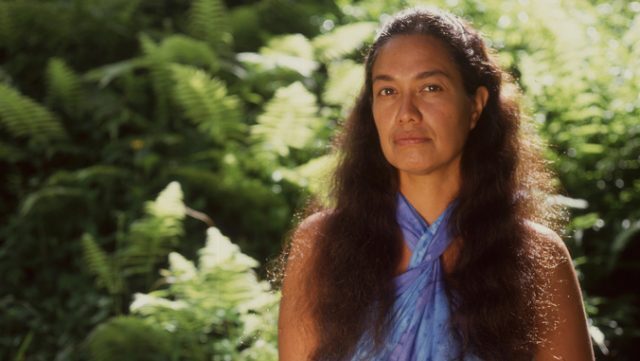 “The land remembers, and the land speaks. It holds the stories of generations past and carries the hopes of generations to come.”
— Haunani-Kay Trask, Native Hawaiian scholar, poet, activist
|
|
Roots of Heritage: Cultural Trees Across the Pacific
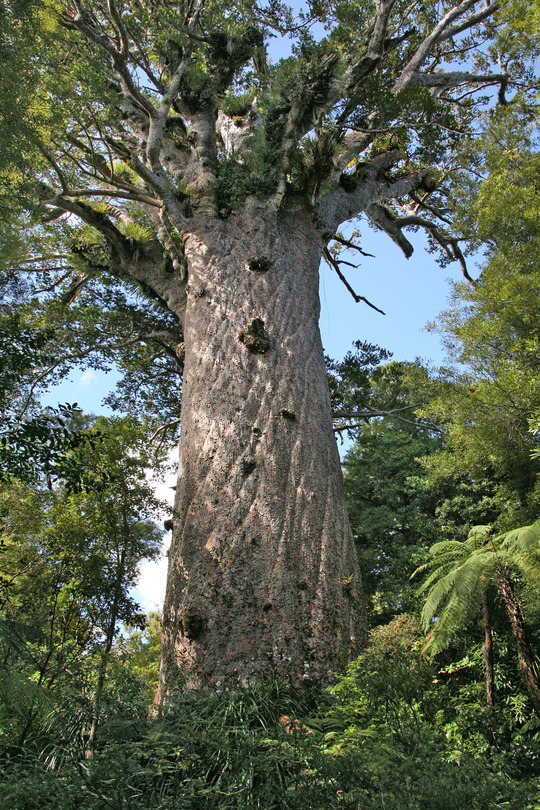 Tāne Mahuta or "God of the Forest" - the oldest kauri tree in the world, estimated to be 1,250–2,500 years old.
In celebration of AANHPI Heritage Month, we honor the deep cultural significance of trees in communities across Japan, New Zealand, and other Pacific Islands. We are reminded that trees are more than greenery; they are symbols of spirituality, identity, and resilience.
In Japan, species such as the Japanese cedar (Cryptomeria japonica) and the Hinoki cypress (Chamaecyparis obtusa) are deeply embedded in traditional Shinto belief systems. Revered as shinboku (sacred trees), they are viewed as physical abodes of kami (spiritual deities). They’re marked with sacred ropes (shimenawa) and honored in rituals that embody reverence for nature and the interconnectedness between people and the natural world. Read more about Japan’s sacred trees.
To the Māori people of New Zealand, the towering kauri tree (Agathis australis) is a living ancestor symbolizing strength and endurance. It is interwoven with Māori mythology and tradition, and its wood was historically used to make canoes, homes, and carvings. The kauri tree is also a keystone species in New Zealand, creating unique understory ecosystems that support native biodiversity. Read more about the kauri tree.
Across the Pacific Islands, the breadfruit tree (Artocarpus altilis or ʻulu in Hawaiian) is revered as a source of nourishment and sustainability. More than just a staple crop, breadfruit is a cultural cornerstone. It is planted to feed families, passed down through generations, and embedded in origin stories and songs. Traditionally cultivated in agroforestry systems alongside coconut, taro, and banana, breadfruit contributes to resilient, multi-layered landscapes that conserve soil, enhance biodiversity, and reflect Indigenous knowledge of sustainable land stewardship. Read more about the breadfruit tree.
|
|
New Tools Make Tree Replanting Verification Easier
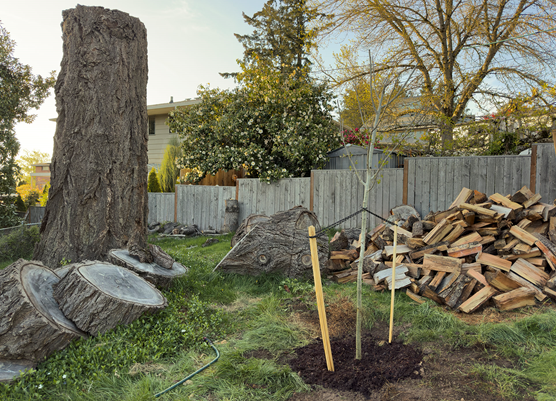 A new tree planted to replace a dead one, preserved as a wildlife habitat snag.
Urban Forestry has launched new tools to make tree replanting verification easier, more accessible, and more effective for property owners. Planting a replacement tree is a key requirement of a tree removal permit, helping ensure the long-term growth and sustainability of Portland’s urban tree canopy.
A recent improvement allows property owners to schedule on-site visits with staff using a simple online form. These visits not only verify tree planting, but also provide an opportunity for friendly, one-on-one guidance to help trees thrive.
Another convenient option is the Self-Certification Form, which recently hit an exciting milestone with over 2,000 submissions! This easy-to-use tool lets property owners submit photos of newly planted trees on private property.
Since these updates launched, Urban Forestry has seen a dramatic increase in completed replanting verifications, helping ensure trees are planted and contributing to Portland’s canopy growth.
Together, these new tools support successful replanting, encourage positive engagement with residents, and contribute to a greener, healthier Portland.
|
|
Event Highlight: Black Earth Day Stroll
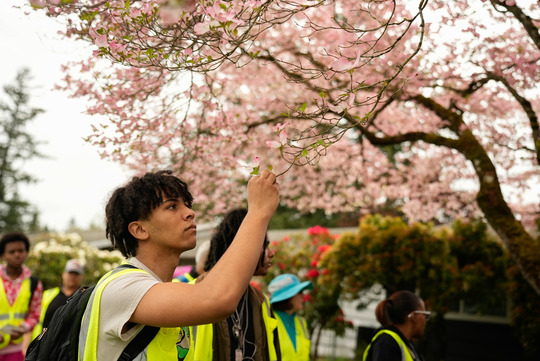 On April 26, Urban Forestry and Gresham’s Urban Forestry Subcommittee, partners in a grant administered by Friends of Trees through the Inflation Reduction Act, collaborated to create the first Black/African Diaspora, intergenerational, trans-organizational, Black narrative Earth Day tree stroll.
Community members first gathered in Portland’s Verdell Burdine Rutherford Park, the first and only park in the city named after a Black woman. They then enjoyed a tree-identification game at Rockwood Central Park and concluded by breaking bread at Vance Park in Gresham, which hosts an annual Juneteenth celebration. Attendees were hosted by Black community Story Leaders Kalimah Abioto (Studio Abioto), Pamela Slaughter (People of Color Outdoors), Corey Pierson (Rosewood Initiative), and Rudy Roquemore (Friends of Trees), who shared narratives about their relationships with trees and nature.
Portland poet Latoya Lovely captured the day vividly: “I loved this with all my heart, so did my son. We flip out when we can identify the tree we learned about now. I hope there are many more of these. The knowledge sharing that the park rangers and other story tellers gave was pure joy. Can't wait to be in community again. Thank y'all for creating a safe inclusive, inviting space, and for all your hard work.”
|
|
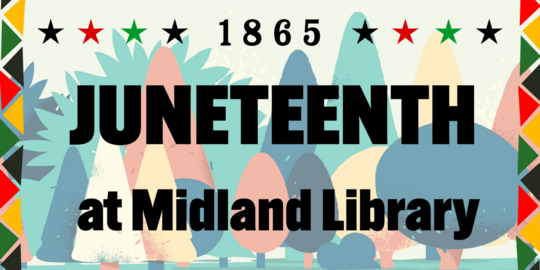 Midland Library's Juneteenth Celebration
Saturday, June 7, 2 to 3pm
Midland Library (805 SE 122nd Ave, Portland, OR 97233)
Join Urban Forestry and Black Futures Farm for a Juneteenth celebration at Midland Library, centered on the theme of plants, nature, and Black liberation. Families can enjoy Black storytelling and Afro-botanical art activities with Urban Forestry, exploring the urban forest through song, reading, and creativity. Later, teens and adults can learn about seed planting, plant growth, and the history of Juneteenth with Malcolm Hoover from Black Futures Farm, highlighting Black agricultural traditions and liberation.
|
|
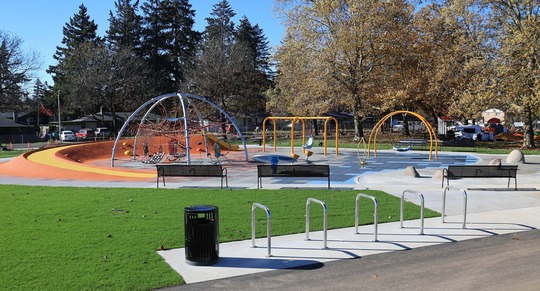 Parklane Park Reopening Celebration
Thursday, June 12, 3 to 6pm
Parklane Park (SE 155th Ave & SE Main St, Portland, OR 97233)
Join Portland Parks & Recreation (PP&R) for the grand reopening of Parklane Park, now expanded to 25 acres, making it the largest developed park east of I-205. Celebrate this major investment in East Portland with family-friendly activities, public art, and a 3:30pm ribbon-cutting ceremony featuring PP&R Director Adena Long and community leaders. Enjoy the park’s many new amenities, including a playground, splash pad, skate park, sports fields, and community garden, all created with strong neighborhood input and support.
|
|
Other News
What's Your Favorite Biking Message?
Our colleagues at the Portland Bureau of Transportation (PBOT) want to understand what messages make it easier for Portlanders to say "yes" to biking, whether you currently bike or not. Take this short survey (about 10 minutes) to let them know what you think and help inform future transportation planning and community engagement in Portland. The survey is open through Sunday, June 15 and all answers are anonymous.
|
|
|
|
|