|
Colleagues -
At Northwest Regional ESD, our work is grounded in a simple but powerful commitment: every student will be educated, equipped and inspired to achieve their full potential and enrich their communities.
Throughout this newsletter, you’ll see that commitment in action. Every spring for the past few years, we have shared a roundup of our top stories from the year. Spring represents the last lap in a school year: the finish line is in sight, but there is a lot more to do and so much to celebrate!
From early literacy gains and expanded mental health supports, to inclusive learning opportunities, hands-on career experiences, and strong mentorship for new educators, our focus remains the same: helping students thrive through meaningful relationships, strong instruction, and real-world learning.
This week also marks Licensed Appreciation Week, an opportunity to recognize the educators, specialists, therapists, counselors, and other licensed professionals whose expertise and dedication make this work possible. I started my career as a special education teacher and school psychologist. It’s deeply meaningful work and also undeniably complex and challenging. I am grateful to the about 6,000 teachers, therapists, specialists, psychologists, counselors, and other licensed educators in our region who have chosen this profession.
Enjoy the latest news from your education service district — and take a moment to remember and celebrate our best moments from the 2025-26 school year. |
|
|
In partnership –
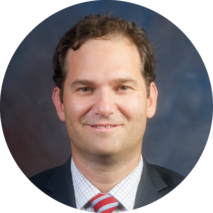
 Dan Goldman
Superintendent
|
|
Students Know What Works. Are We Listening?
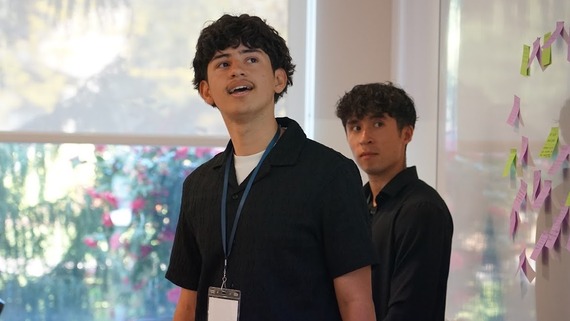 Eric, center, and Pedro, seniors at Nestucca High School, present about the importance of having community support. “This is what makes us succeed,” Eric says. Photo by Tracey Goldner.
“Your voice matters a lot,” says Eric, a senior at Nestucca High School. That’s what he has learned growing up in a rural town that supports students.
When he and his friend asked for a high school soccer team, educators and community members made it happen.
He’s also benefited from strong career and technical education classes where he’s learning engineering concepts, gaining technical skills in programs like computer-aided design (AutoCAD), and taking part in a regional bridge-building competition. Additionally, he has access to internships and job opportunities created just for students.
“I believe all students should have this type of support,” he says. That’s why he decided to present at this spring’s Cascade Alliance for Equity summit.
See what teachers got out of the conference & relive the day through photos.
Balancing Budgets and Negotiating Labor Contracts
This spring, we are negotiating labor contracts with both our classified and licensed labor partners as part of our regular cycle of successor agreements. The existing contracts expire on June 30, 2026. These conversations are an important part of how we align compensation, working conditions, and program sustainability in support of our overall mission. In order to ensure every student in our region has access to quality services, we need to invest in our amazing educators while also making financial and program decisions that support students over the long term. You can follow along on our classified bargaining webpage and licensed bargaining webpage.
We are also navigating a devastating 20% cut to Oregon Outdoor School funding. We previously offered a four-day overnight program at five sites. Next year, we will offer a three-day overnight program at four sites with 20 fewer employees. School districts can also opt into a four-day program at an increased cost. We will no longer offer Outdoor School at Camp Arrah Wanna in Welches. Learn more about what guided our decision-making in navigating these reductions.
New Faces, New Roles: Staffing Updates
|
|
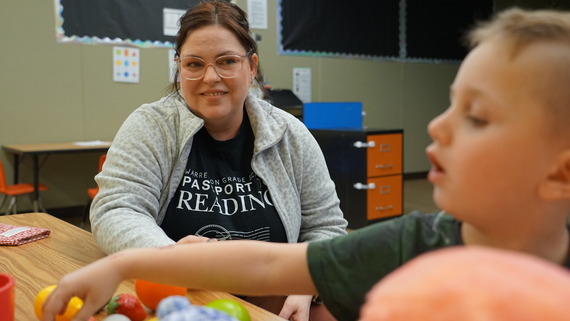
 Laurel Fischer will oversee our Oregon Response to Instruction and Intervention and early literacy supports starting July 1. Together, the programs are improving literacy rates across our region and state. Read more about Laurel.
|
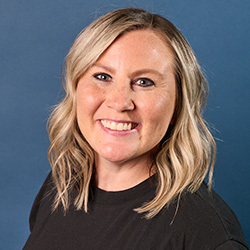 Rikkie Schley will be an early learning director for our Early Intervention and Early Childhood Special Education program on July 1. These programs serve 2,500 babies, toddlers and preschoolers in Clatsop, Columbia, Tillamook and Washington counties. Read more about Rikkie.
|
|
 |
|
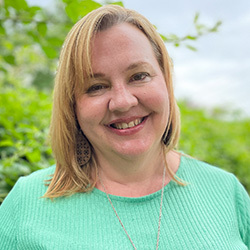
Leslie Van Kleek will be an administrator for our Deaf, Hard of Hearing and Audiology teams starting July 1. These programs, which include a specialized elementary classroom where students learn in American Sign Language, serve about 250 Deaf or hard of hearing students in Clatsop, Columbia, Tillamook and Washington counties. Read more about Leslie. |
|
|
#7 ARTICLE & PODCAST: School Attendance is a Family Affair
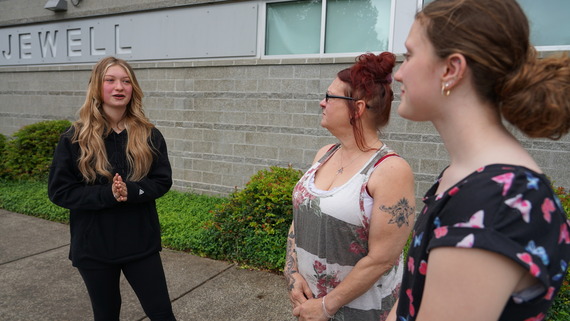 Cheyanne, left, a senior at Jewell High School, stands with her mom, Angela, and her friend TJ. Cheyanne now regularly attends school after reconnecting with teachers, joining the volleyball team and forging new friendships. Photo by Tracey Goldner.
How do you get a student who says they hate school back into the classroom? Start by listening, says Superintendent Cory Pederson.
From there, you have to create a culture where students and families want to be.
- Are teachers greeting students warmly in the morning, even they're late?
- What does the energy in the hallway feel like?
- Is the classroom calm or chaotic?
- Does the front desk team greet families with kindness?
These are the questions to ask when you’re trying to create a welcoming space for students and their families.
🏫 If you think it doesn’t matter, just ask Cheyanne, a senior, who is now earning college credit, playing on the volleyball team and volunteering with the fire department, after educators at her school started asking questions.
|
|
#6 ARTICLE: When Kids Need Support, Columbia County’s Mental Health Teams Answer the Call
Responding appropriately after a crisis not only quells trauma but also nurtures resilience.
Jewell, Rainier, Scappoose and St. Helens school districts have all weathered traumatic and difficult situations recently.
🏫💚 Our board of directors recognized Columbia Health Services and Columbia Community Mental Health -- two incredible community partners -- for answering the call to support students and educators when it mattered the most.
|
|
#5 ARTICLE: ‘It Makes Me Feel So Proud To See Him’
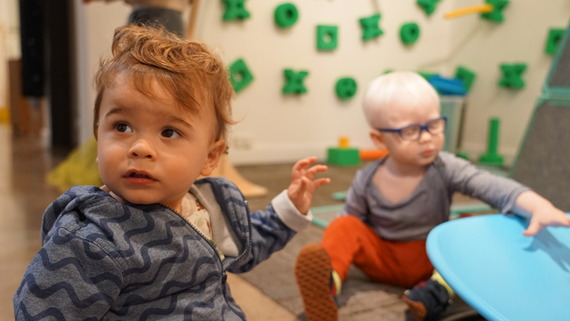 Miles (left) is an 18-month-old from Hillsboro who receives Early Intervention services from Northwest Regional Education Service District. In collaboration with the FLIP Museum in downtown Hillsboro, the program hosted a community outing that encouraged young children of all abilities to play and learn together with their therapists, educators, and community peers in an inclusive setting. Photo by Tracey Goldner.
Timing matters. This is especially true for young children with disabilities and children who are not meeting typical developmental milestones.
Helping toddlers learn how to move their bodies, make friends or communicate their needs can make a world of difference for them at a crucial time in their lives. Research shows the earlier a child receives needed services, the better off they will be on a number of indicators.
At a special outing to a local children’s museum, families marveled at the skills their children have built.
👨👩👦🤝 After 14 months of physical therapy from our Early Intervention team, Miles went from being unable to lift his head to criss-crossing the floor and pulling himself up all on his own.
|
|
#4 ARTICLE: Small Changes, Big Impact: $35,000 Awarded to Teacher-Led Ideas That Expand Inclusion for Children with Special Needs
Our small but mighty Northwest Regional Education Service District Foundation fills a need no other local school foundation does: It sponsors dozens of educator-led projects that are specifically focused on students with disabilities or those with other challenges.
This year, 31 educators, therapists and specialists from around our region received funding to take their students on field trips, get specialized equipment or bring in supplies their schools couldn’t otherwise purchase.
💸💡 Meet this year’s grantees and see how they are supporting special needs kids with their innovative ideas.
|
|
#3 ARTICLE: Flipping the Script — Students Take the Reins at this Innovative Conference
 Deethya, a senior at the International School of Beaverton, led a workshop on misogyny during the Cascade Alliance for Equity fall summit. She hopes her advocacy will encourage people to change their behavior so the students who come after her don’t go through what she has. “That is how you see change in society,” she says. Photo by Tracey Goldner.
When she was younger, Deethya (pronounced dee-tee-ya) heard it all. “You’re smart for an immigrant child.” “You’re pretty for an Asian.”
Put-downs veiled as compliments and encased with sexism and racism.
🙌 This year, Deethya reclaimed her power at our Cascade Alliance for Equity Summit. At this conference, she was the teacher, and instead of teenagers, her classroom was filled with educators from around our region.
|
|
#2 ARTICLE: 9th Grade Success Network Imagines a High School Experience Where Everyone Feels Connected
Six years ago, our 9th Grade Success Network did something that seemed novel at the time. They decided to include high schoolers in their efforts to help freshmen stay on track to graduate.
Several years in, the idea’s no longer novel, but instead seems vital to the work.
🧠🎓 The school counselor at Nestucca Valley says her district’s decision to include high schoolers in this initiative is a big part of the reason the work has been successful.
|
|
#1 ARTICLE & PODCAST: Becoming a Great Reader Doesn’t Happen By Accident
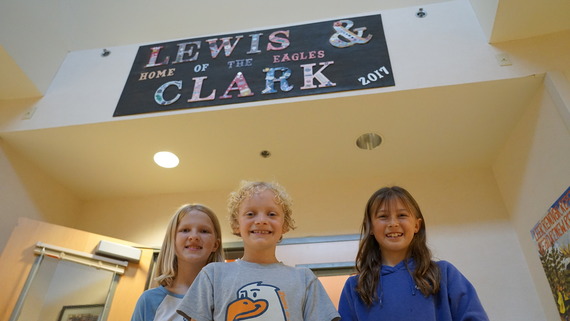 From left: Zoey, Williams and Anika are fourth graders at Lewis & Clark Elementary School. Anika benefited from reading support offered by the district’s new literacy system and is now reading and writing at grade level. “Don’t be afraid to ask for help,” she advises younger students. Photo by Tracey Goldner.
About six years ago, Stephanie Sparks noticed something. Her third, fourth and fifth graders were having trouble reading.
Teachers were following the curriculum, and students were trying their best. It just didn’t add up.
These days, nearly everything about the way the district teaches students to read has changed. Teachers there don’t talk much about regret or blame. Instead, they are explicitly teaching children the skills they need to decode words, and they’re using gripping stories to draw students in.
📚📈 They still tear up when they see the progress kids are making -- all while using a new data tracking system they set up with the support of our early literacy specialists.
|
|
|
|
|